High-maintenance plants have a way of luring you in with their beauty, only to leave you elbow-deep in soil trying to figure out where it all went wrong. Trust me: I’ve scorched leaves, watched roots rot, and spent more time begging the internet for answers than I care to admit. The reality is, nurturing these picky plants isn’t about having a green thumb—it’s about learning their moods and not taking their drama personally. Skip the fluff; let’s dig into what actually works, what doesn’t, and why most people give up far too soon.
Let’s Get Honest: Why Does “High-Maintenance” Matter?
Most folks think plant care is just stick-it-in-a-pot-and-go. Big mistake—especially when you’re eyeing that glossy fiddle leaf fig or tempting orchid on your Instagram feed. The truth? High-maintenance plants are relentless feedback machines; they will absolutely sulk if you miss a step. Forget theory—if you’re juggling work calls, Netflix binges, or kids at home, owning these divas can feel like another full-time job.
A lot of advice online focuses on ideal circumstances (“bright indirect light”, “high humidity”), but real homes aren’t rainforests or art galleries. If your windows face north or your heating clicks on all winter, the rules change—and so do your results.
What ACTUALLY Makes a Plant High-Maintenance?
Let’s be honest: It’s not just about watering schedules or misting rituals. Here’s what really matters from years of trial (and plenty of error):
- Consistency above all: Most high-maintenance plants hate surprises more than they hate missed waterings.
- Location is everything: Move that orchid one foot to the left? Watch it pout for weeks. Learned this lesson the hard way when my Boston fern turned crunchy after I tried giving it “more space.”
- Humidity isn’t optional: If opening the window means dry air, expect sadness—unless you get creative (more on this below).
- Water quality matters: My first Calathea literally threw a fit when I used regular tap water (chlorine strike). Switched to filtered and she bounced right back.
- Routine checks win: Ignore them for even three days during summer heat? Prepare for crispy edges.
Here’s what most people don’t know: Expensive equipment (grow lights! humidifiers! pebble trays!) rarely fixes underlying inconsistency. Your daily habits matter ten times more than any gadget.

Case Files from My Personal Plant “Drama Club”
1. Orchids (Phalaenopsis)
I killed three orchids before finally managing a healthy bloom. My breakthrough wasn’t fancy fertilizer—it was sticking mine right on top of my kitchen sink where morning sunlight hits sideways and steam rises while doing dishes. Not once has it gotten root rot since then.
Surprising tip? Skip those popular ice cubes—use room temp water once a week but run it through the pot until water drains out fast (orchid roots love oxygen).
2. Fiddle Leaf Fig
If there was ever a plant built for drama school, it’d be the fiddle leaf fig. One time in July 2020, I rotated mine toward an AC draft “just for better light.” By Monday? Three yellow leaves on the floor like little protest flags.
Success only came after mapping sun patterns with my phone and refusing to budge the pot after finding THE spot—even vacuumed around it by hand rather than risk moving her again.
3. Boston Fern
Humidity makes or breaks these ferns—but who has time to mist twice daily? My fix: Hang one directly above my bathroom towel hook so every shower works double duty as moisture therapy with zero extra effort from me.
They still shed fronds now and then—don’t panic! Old ones go brown as part of life; cut them off without mercy.
Unexpected Detours:
Once tried growing gardenias (tempted by their blooms)—I lasted four months before giving up due to spider mites and stubborn soil pH requirements. Lesson learned: Sometimes surrender is wisdom.
Getting Real About Common Worries
Feeling guilty over dropping leaves or finicky brown tips? Look—I’ve killed more maidenhair ferns than I can count; some species just aren’t meant for every routine or home climate no matter how hard you try.
Worried about schedules? Use Google Calendar reminders—not sticky notes—or set up automated watering globes if you’ll forget weekends away.
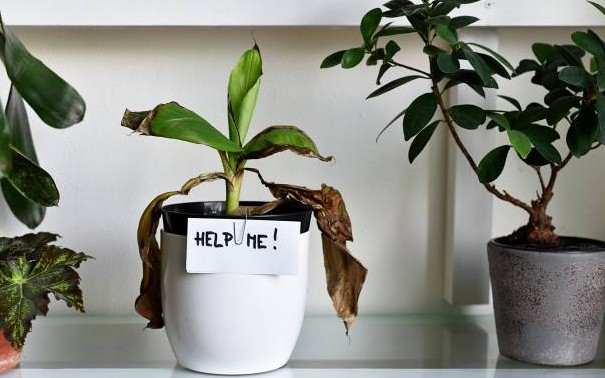
Worried about failure? Honestly, everyone botches their first (or tenth) attempt with tough plants; I keep casualty tags attached as reminders that each loss taught me something specific—like never using softened tap water again!
Real Strategies That Work—No Fluff
- Start with one plant at a time—and write down EVERYTHING: temperature spikes, drafts near doors, how each leaf looked last week vs this week.
- Choose placement first, based on light/humidity—not looks alone—and avoid temptation to rearrange impulsively.
- Observe before acting: Before tweaking routines mid-panic (“Didn’t get enough light! Watered too much?”), track trends over days—not hours.
- Adapt gear only as needed: Invest in basic tools only when lack of humidity/light truly stunts growth long-term (my pick: mini hygrometer under $12).
- Celebrate small wins: Made it through two weeks with no leaf drop? That’s progress!
Sensory cue that things are going well: Take five seconds every morning to run your palm over leaves—healthy ones feel taut and springy; limp = thirsty/overwatered/drafty mess ahead.
What Most Guides Won’t Tell You
The single biggest factor isn’t fertilizer brand or how often you mist—it’s your willingness to make plant care part of your daily rhythm instead of relegating it to Sunday chores that get skipped half the time anyway.
And here’s one last opinionated take: Not every plant deserves space in your home simply because it’s trendy online—a struggling gardenia can steal way more joy than any social media ‘like’ is worth!
Ready For Next Steps?
- Assess honestly: How much stress do you want from your plants? There’s pride in mastering tough species—but no shame in picking pothos instead.
- Grab ONE “project” plant from somewhere local where staff actually know their stuff—skip big-box stores unless staff can answer specifics about local conditions.
- Jot brief notes each day in your phone (“leaves perky / edge crisp / watered at noon”) instead of guessing next month why things changed.
- Experiment only after tracking stability for two weeks straight; rapid-fire changes guarantee chaos.
- Celebrate new growth—even tiny nubs showing up overnight mean you’re nailing something down right!
Bottom line: Picking up high-maintenance plants isn’t about proving anything except enjoying challenge at YOUR pace—not someone else’s highlight reel online.
Curious what low-fuss favorites bought me peace during tough work months—or want unconventional hacks for pet-safe spaces? Shoot me a question anytime—I love practical solutions that actually fit real life!