Indoor plants that thrive despite a hectic lifestyle or tricky lighting can feel like a small miracle. I remember when I first tried adding greenery to my apartment—south-facing windows were a dream, but the north side? A whole different story. I killed a few “easy” plants just by overthinking watering or picking the wrong spot.
That’s when I dove into what I now call “survivor plants,” the kind that don’t judge you if you forget to water them for weeks or place them in less-than-ideal corners.
Take the snake plant, for example. This isn’t just a plant; it’s a battle-tested companion. I have one languishing in a dim hallway that barely sees sunlight, yet it stands upright like a soldier, unfazed by irregular watering—which, let’s be honest, fits perfectly with my forgetful watering schedule.
Snake plants don’t need to be pampered, and they don’t sulk if your room gets chilly overnight. Here’s what most people don’t know: these plants can even improve your air quality by filtering out toxins at night, making them great for bedrooms.
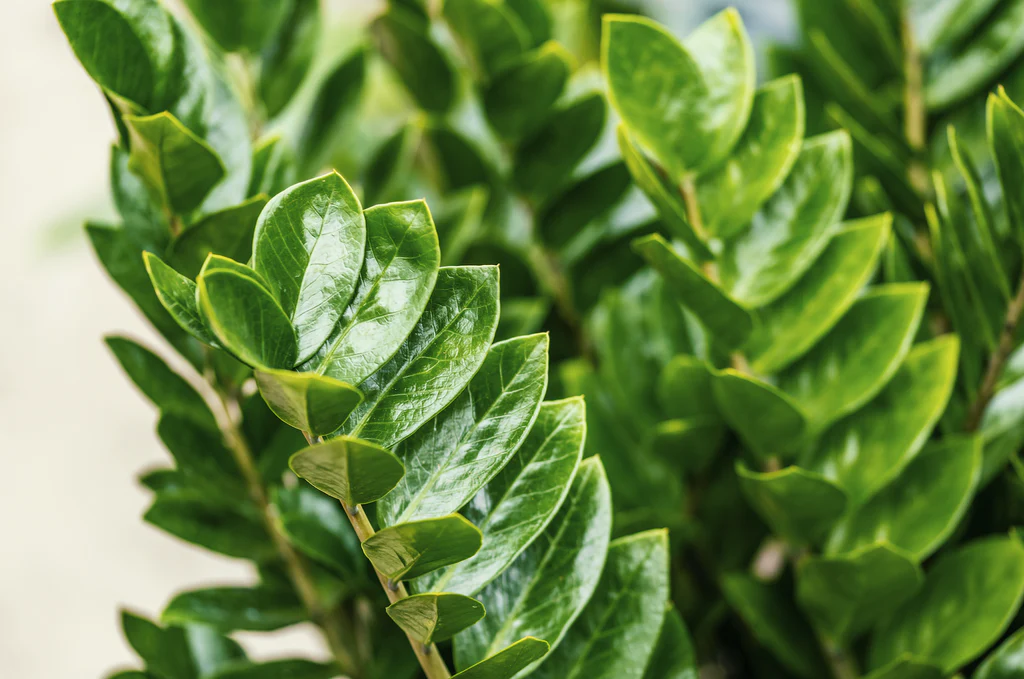
If you’re thinking, “But I don’t have a green thumb,” ZZ plant is your new best friend. Its waxy, deep green leaves almost look artificial but are incredibly hard to kill. One of my coworkers swears by her ZZ because she travels constantly, and it somehow thrives in the office behind a computer monitor—no sunlight, sporadic water.
Plus, its natural drought tolerance is due to rhizomes underground that store moisture—an unexpected hedge against neglect.
Pothos is another unsung hero. This trailing vine is the “set it and forget it” type. One year, I left mine to grow wild around my kitchen windowsill, and it took over—in the best way. Its vines cascade down like a lush green waterfall, and it’s hilariously forgiving.
Water it once in a while, and it bounces back from near-death moments like a champ. People often don’t realize how adaptable Pothos is to varying light; it survives in both dim corners and brighter rooms.
Spider plants are my personal favorite for their charming “babies,” those little pups you can share or propagate easily. They seem like delicate fairies in their cascading green and white stripes, but they’re tougher than they look. They tolerate fluctuating temps and inconsistent watering, which makes them great for beginners.
The cast iron plant is the botanical equivalent of a no-nonsense friend—low maintenance, unfazed by neglect, and tough as old boots. I once inherited one from a neighbor who moved away, and even after I forgot it for a good part of the summer, it was still hanging in there, mission accomplished.
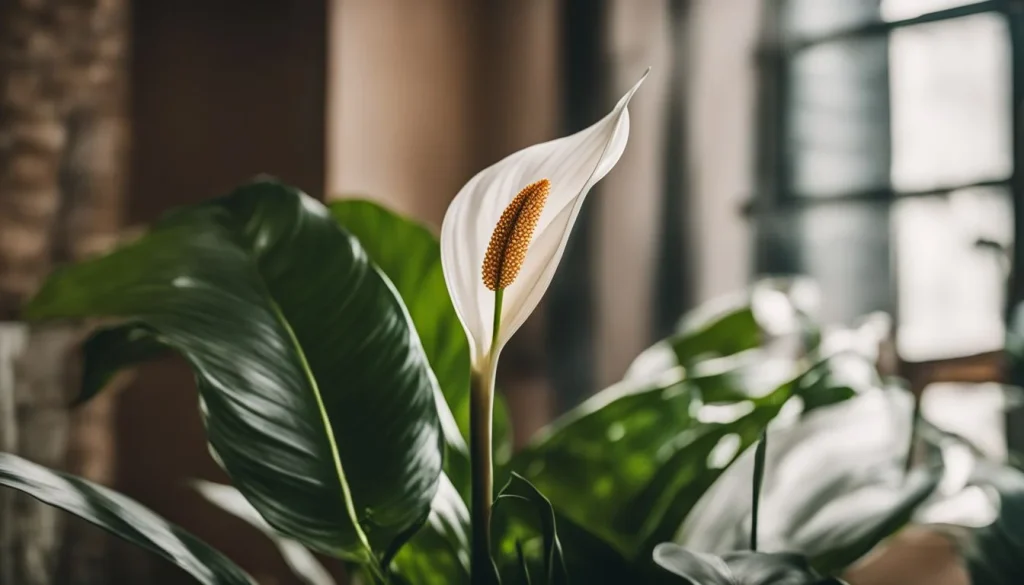
Peace lilies often get overlooked if you think flowers inside are high-maintenance, but these are deceptively easy. Their leaves droop when thirsty, almost like a polite reminder, and they sporadically gift you white blooms that brighten the darkest corners. I’ve noticed they perk up dramatically in indirect light but shrug off typical household temperature swings.
Here’s a secret that helped me stop freaking out about my plants dying: most adaptable indoor plants simply hate being overwatered more than anything else. When I started pretending I was “underwatering” rather than overwatering, things changed dramatically.
Let the soil dry out between drinks; that’s their comfort zone. And while none of these plants will thrive in a literal cave, they manage just fine with indirect or filtered light. A north-facing window or a spot near a door opening that lets in indirect sunshine? Perfect.
If pests pop up—yes, they happen even with tough plants—dabbing leaves with a damp cloth usually squashes the problem before it escalates. The The Spruce has a great guide on identifying common houseplant pests. Slow growth can feel like a failure, but in these plants, it’s just them settling into their routine. Patience is key.
Starting small is vital—I recommend picking one plant that calls to you (for me, that was the snake plant), placing it somewhere that gets some light, and just eyeballing it every couple of weeks. You’ll start noticing subtle signs: firm leaves mean happy, drooping means “hey, I’m thirsty,” and a little yellow? Probably overwatered.
Once you’re comfortable, expand your plant family with a pothos or spider plant. You might be surprised how nurturing a plant can become a soothing, grounding part of your everyday routine, even if you didn’t think you had a green thumb.
In the end, adaptable indoor plants like snake plants, ZZ plants, and their comrades don’t just sprout leaves; they grow calm, confidence, and a tiny sense of accomplishment in your daily life. They’re proof that anyone—even the most distracted or busy—can cultivate green joy. Give them a chance; they’ll surprise you