If there’s one thing I wish someone had told me years ago, it’s that you don’t need a greenhouse full of rare plants or fancy air monitors to make your home feel fresher. I spent my first year in a downtown apartment listening to plant “experts” talk circles around each other about humidity levels, soil pH, and custom fertilizer mixes—meanwhile, my neighbor’s one scraggly snake plant seemed to be thriving on nothing more than tap water and benign neglect.
Here’s what most people don’t know: You don’t have to overthink it. Even the smallest touch of green can shift the entire mood—and air quality—of your space.
FAQ: Air Purifying Indoor Plants — The Underestimated Simplicity
1. “Can plants really filter air indoors, or is that mostly hype?”
This is probably the #1 question I get from friends who’ve just moved into an older building or want to spruce up their WFH setup. Here’s the honest answer: Yes, certain houseplants do help reduce toxins like formaldehyde and benzene—NASA proved it decades ago—but the change is gentle rather than dramatic.
Back in 2019, I put five small plants in my living room after a repaint job left the air smelling… well, “chemical.” Within two days, both the sharp smell and the stuffy feeling improved. Not a miracle cure—but noticeable.
The secret is pairing those plants with real-world habits: open a window sometimes (even for ten minutes), wipe down leaves every month (dust chokes photosynthesis), and don’t cram dozens of pots together thinking more must always be better. Two or three healthy plants per room already helps.
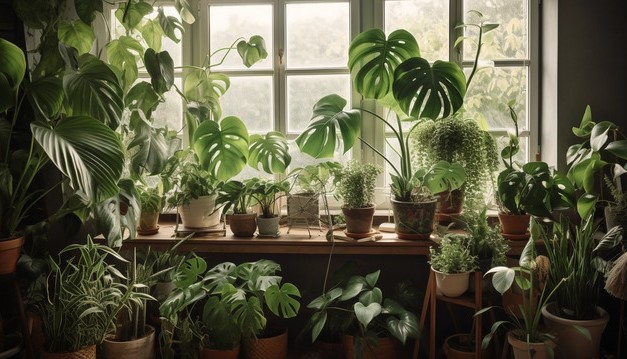
2. “What should I actually buy if I want minimal effort?”
Forget complicated care guides—the practical shortlist is easy:
Snake Plant (Sansevieria):
From my experience, this plant has survived both my worst forgetful stretches and that summer when our A/C broke for two weeks. The trick? Only water when the soil feels dry as sand on your fingertip—that might mean every 2–3 weeks. Mine lives in the corner between bookcases where light barely reaches and still pushes out new shoots twice a year.
[IMAGE: Close-up shot of a finger testing the dry soil of a snake plant.]
Peace Lily (Spathiphyllum):
I made every beginner mistake here—overwatered until there were gnats circling! What worked for me was moving it out of direct window glare and giving just enough water so the pot felt slightly heavy but didn’t slosh. If you see dramatic wilted leaves mid-week? Don’t panic; one good drink revives them overnight. And those white flowers are great pick-me-ups on gray winter mornings.
Pothos (Epipremnum aureum):
A pothos once came home with me as a two-leaf cutting in a coffee cup back in 2017; now its vines wrap halfway around my living room window frame. Seriously forgiving—it can handle skipped waterings or low light without tantrums. When trimming gets too wild, snip off runners and drop them in water—they’ll root within days for friends or other rooms.
Most lists stop here—but two overlooked options deserve mention:
- Spider Plant: If you’re impatient for results, these shoot out baby spiderettes—a friend calls hers her “plant family tree.” Fun to share.
- Rubber Plant: Slightly thirstier than snake plant but still tough; those deep green leaves wipe clean easily.
All these forgive mistakes—they’ve forgiven plenty of mine!
3. “How many do I need before it ‘counts’?”
A common mistake I see is getting stuck worrying about numbers—I used to obsessively check YouTube videos: “Is three enough per room?” Truthfully: It only needs to feel right to you.
My little office has a pothos trailing off top shelves and one medium rubber plant by the window—that’s enough for both visual comfort and that fresher “after rain” vibe by afternoon. No need for jungle-level density unless that’s what makes you happy.
4. What happens if I forget to water—or travel?
Let’s call out what nobody admits: life gets busy, watering schedules slip! But with these plants? That’s fine.
- Snake plant: Mine went four weeks untouched during family emergencies—no drama.
- Pothos: Leaves wilt but bounce back after watering.
- Peace lily tries drama (“Help! All hope is lost!”) but perks up after one soak.
I actually set calendar reminders at first (“Water plants?”). Now it’s intuitive—I check leaf shine while making coffee or waiting for toast to pop up.
Here’s what most advice skips: Most houseplants die from too much attention (overwatering) rather than neglect!
5. Are they safe with pets/kids?
Confession time: My cat sampled everything when she arrived as a kitten. Some types (peace lily/pothos) are mildly toxic if nibbled—a lesson learned watching her sniff then recoil after tasting pothos once!
Recommendations from trial-and-error:
- Spider plant = no risk
- Boston ferns = pet-safe
Best bet? Tuck others out of reach or use hanging planters—even an IKEA shelf works wonders for child-proofing greenery without sacrificing style.
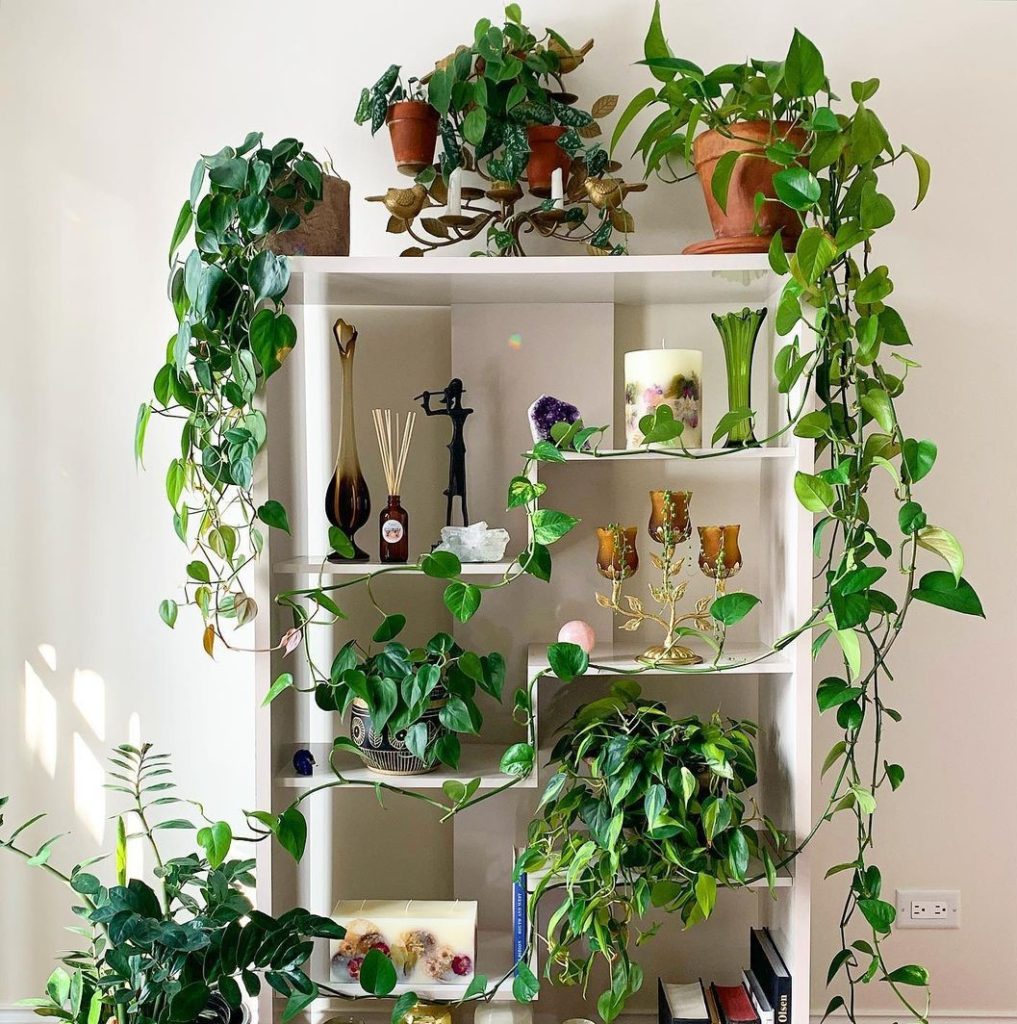
6. Will too many plants make things look cluttered?
Minimalist design isn’t ruined by greenery—it thrives on it when done right! Three simple tricks that work at home:
- Use tall snake plants as vertical anchors in corners.
- Trail pothos along bookshelf edges for soft lines.
- Cluster three pots at different heights/diameters instead of scattering singles everywhere—the grouping gives unity even if you only own mismatched planters (as most real people do!).
Years ago, all my pots were old mugs or chipped bowls—it was charming because every piece meant something.
7. What if there’s hardly any sunlight?
No sunshine? Don’t stress it—snake plant will tolerate forgotten blinds better than almost anything else on earth because it evolved that way! My darkest hallway spot still boasts glossy foliage thanks to this trait.
In apartments where windows face brick walls? Borrow an LED grow bulb ($10–20) on a timer through winter gloom; five hours per day keeps leaves happy until spring returns.
Troubleshooting—Based on My Own Fails
Yellow leaves: Usually drowned roots; let things dry next time.
Crispy tips: From radiator heat—moving pot six inches away solved this fast.
Dusty leaves: Quick wipe with damp cloth every month does wonders; learned this when sunlight started looking dimmer through spotted foliage!
Bugs? Had fungus gnats once—inexpensive sticky traps and drier soil fixed it within ten days.
For months when routines fall apart, forgive yourself—the point isn’t perfection, just progress over time.
Why Bother With Any of This?
Here’s why all this matters on bad days: Seeing something alive grow steadily—even while everything else feels stuck—is quietly grounding. When you notice that new curled leaf poking through after giving up hope (“surely I killed this one…”), there’s pride no book or expert video can give you.
And yes: cleaner air is nice—but seeing living proof of resilience inside your own four walls makes daily life feel lighter.
Getting Started Is Easier Than Experts Admit
- Pick ONE tough starter (snake plant fits nearly everyone).
- Place by any window—you don’t need south-facing palaces.
- Water less often than feels comfortable (every )—err on dry side!
- Watch leaves not manuals; adjust only if something looks unhappy.
- Expand later: Add pothos above cabinets…share cuttings with visitors…maybe trade spiderettes with coworkers like friendship bracelets from back in school.
If anyone tries to intimidate you with Latin names or rare species jargon, ignore them—they’re missing out on how beautifully easy bringing fresh life indoors can be.
Take it slow, trust trial-and-error more than online charts—and celebrate every small success along the way.
If I’d waited until I knew everything about care schedules before starting years ago, I’d never have experienced how welcoming even one humble houseplant can be.
Give yourself grace—and let nature help out with both your air and your outlook at home!