Let’s skip the fluff—you’re looking to turn your home into a plant-filled oasis that’s actually livable, not some high-maintenance green museum you dread walking past. After two decades wrangling everything from stubborn snake plants to persnickety calatheas in apartments with laughable light, I’ve got a few battle scars—and more than a few secrets most people never tell you.
Here’s What Most People Don’t Realize About Decorative Indoor Plants
The glossy magazine spreads and Pinterest-perfect jungle shots? Half those setups have plants hidden off-camera during photo shoots because they wouldn’t survive there a week!
The real keys: zone in on what will quietly survive your daily routine, and treat every ‘failure’ as intel for next time.
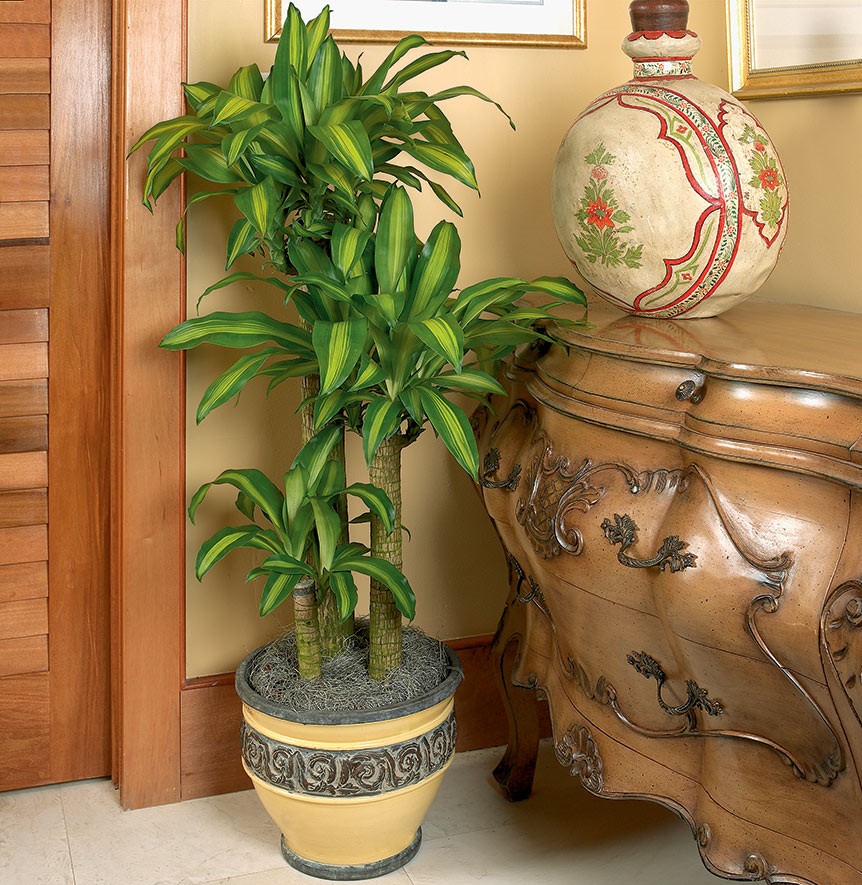
Myth #1: You Need Big Sunlight & Spare Time. (Spoiler: Nope.)
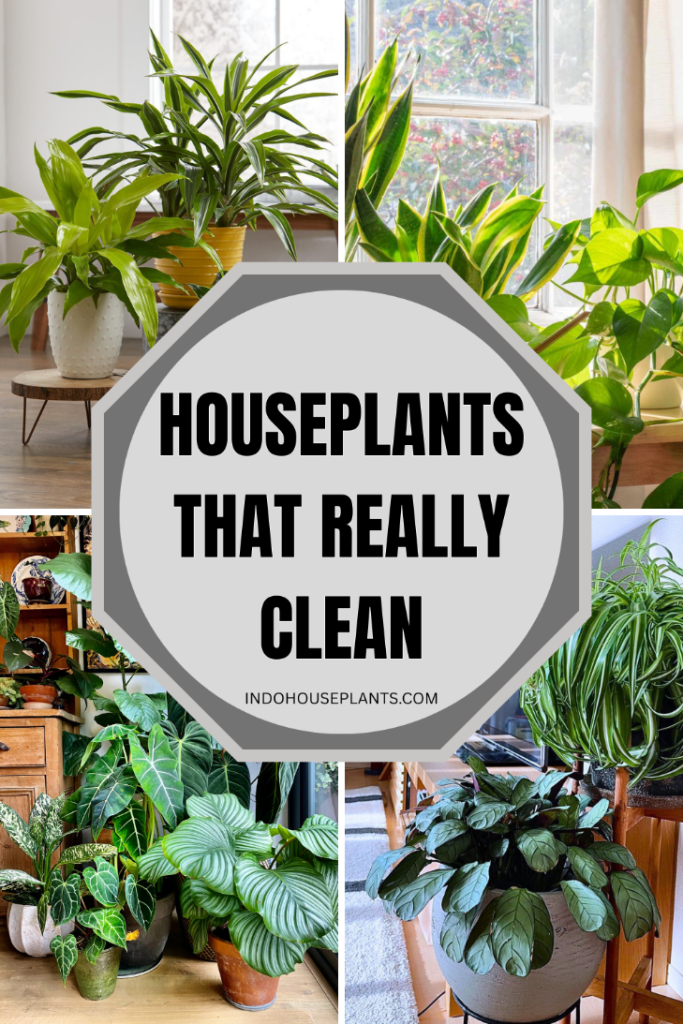
Here’s the reality—99% of city apartments or shaded homes are more like “plant purgatory” than “plant paradise.” That’s why pros reach for classics like:
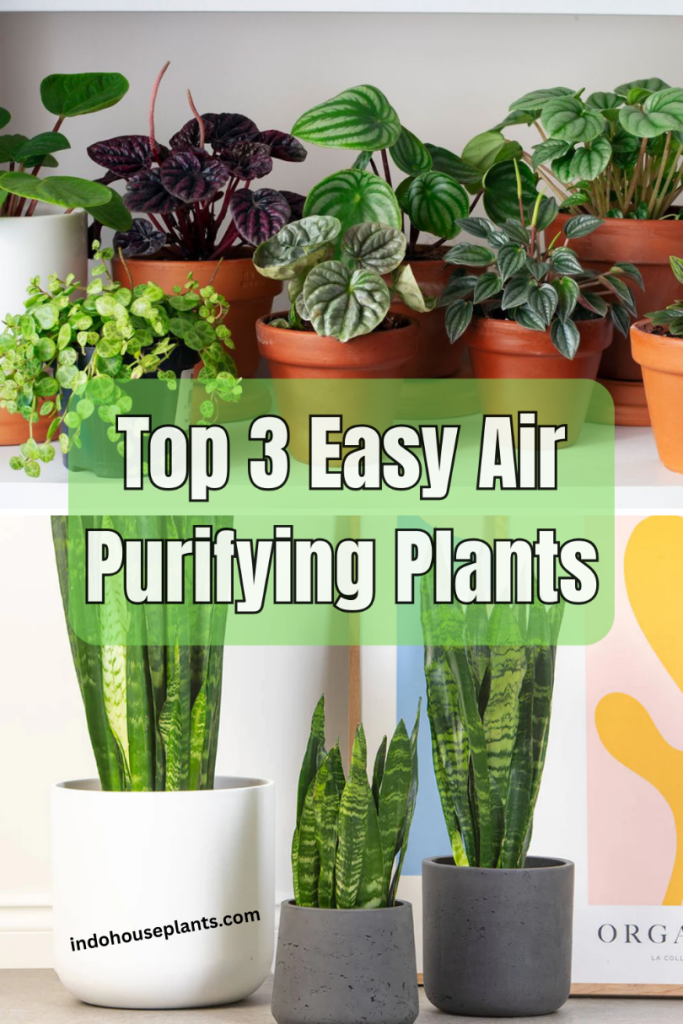
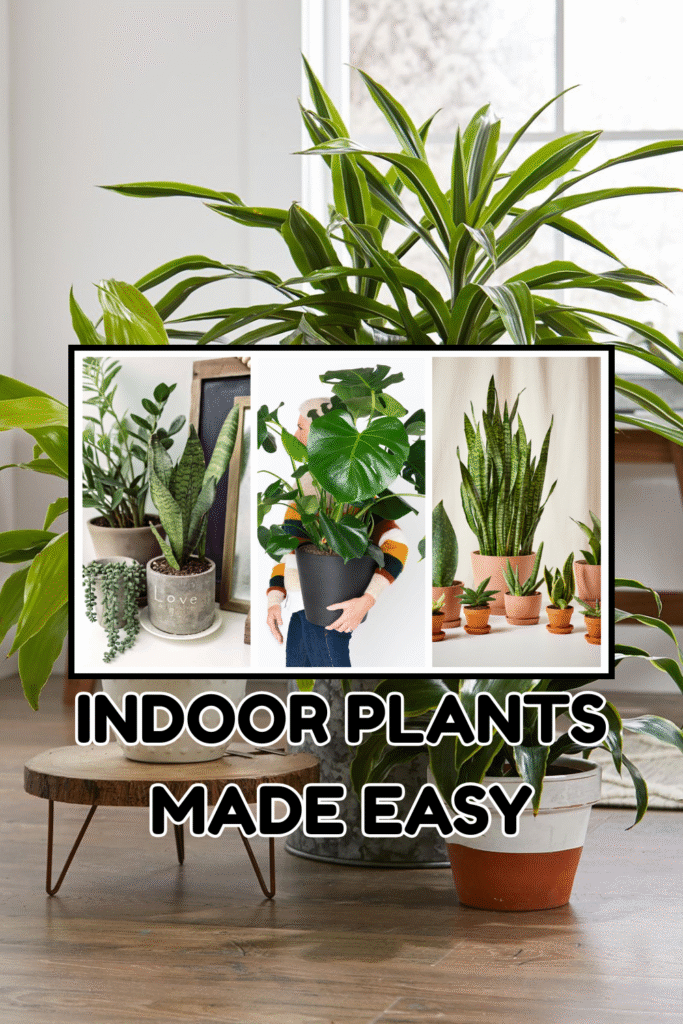
Snake Plant (Sansevieria):
They’re not just hardy—they’re nearly indestructible. I once left town for six weeks and mine greeted me back like nothing happened.
Insider tip: These guys thrive in spots you think are hopeless because all they really resent is overwatering.
Pothos:
If snake plants are statuesque warriors, pothos are scrappy survivors—fast-growing, almost impossible to kill. I started with one in a plastic nursery pot on top of my fridge; within four months, it looked staged for a jungle scene.
Bonus points: propagate cuttings in water jars and within weeks you’ve got free new plants.
Peace Lily:
These have saved my “plant cred” when everything else drooped. They literally ask for water by flopping over—a bit dramatic, but they perk up as if nothing happened when watered.
If humidity is low, toss them near your bathroom—they lap up shower mist.
Here’s What Matters When Choosing Your First Plant
Skip the impulse runs where you pick what looks prettiest under store lights—always check if your space gets direct morning light or is mostly shaded all day (phone compass apps help!).
There’s no shame starting with forgiving species even if they seem mundane—trust me, seeing something thrive is way more satisfying than nursing crispy leaves.
Myth #2: All Indoor Plants Are Fussy
Let’s be honest—I wasted too much money nursing along so-called “easy” ferns and trendy fiddle-leaf figs that sulked no matter what I did. The unsung heroes? These three:
- ZZ Plant: Shines when ignored; survives cubicle lighting and repels dust better than anything else I’ve tried.
- Spider Plant: Pops out baby shoots (“spiderettes”) so often you’ll start gifting them away by month three.
- Heartleaf Philodendron: Trails elegantly, bounces back after accidental underwatering—plus thrives under grow lights if sunlight isn’t an option.
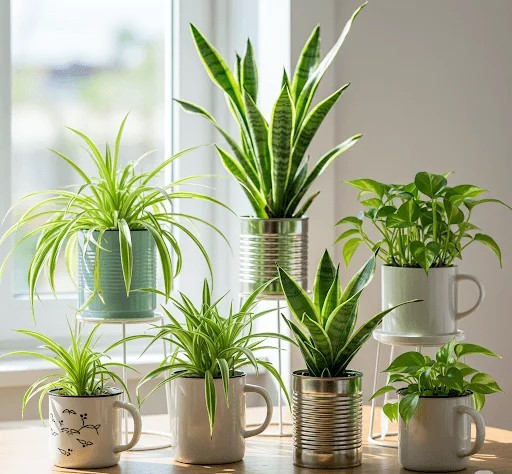
The quickie maintenance checklist I follow:
- Every two weeks: poke finger an inch deep (“Is it dry?”), then water accordingly
- Once a month: dust leaves while listening to music—minor ritual that actually helps growth
- Spring/Summer: dilute liquid fertilizer at half strength…if I remember
Pro tip most miss: Rotate pots quarterly so all sides grow evenly; otherwise half your plant tries escaping toward the window and looks lopsided forever.
Myth #3: Only “Experts” Keep Plants Alive
Skip that impostor syndrome; everyone has their graveyard collection! My first attempt at an indoor orchid ended when I tried giving it more love—it lasted three months before total leaf drop. Lesson learned? Some losses just prove you’re learning.
Most kills happen from kindness—that is, overwatering. My now bulletproof method:
- Stick your pinky finger down to the second knuckle into soil (about 1.5 inches). Feels dry? Water today.
- Still damp? Leave it alone until next weekend.
- Nervous about forgetting? Alexa/Google Home reminders work wonders—or just set recurring calendar alerts titled “Plant Check-In.”
And honestly? If one dies off…so what! Take notes and adjust mini battles plans for round two.
Real Examples (& Offbeat Tricks You Won’t Hear Elsewhere)
- Office Rescue Mission: At my old nine-to-five, we’d rescue neglected tabletop pothos from breakrooms—trim brown bits mercilessly, stick fresh cuttings back in water glasses by our monitors. Within weeks they’d perk up.
- Bathroom Revival: One winter my peace lily wilted dramatically under radiator heat. In desperation, stuck it on the closed toilet tank near my shower—now blooms twice as often from all that steam-humidity!
- Space Hack: Studio apartment sun scarce? An IKEA gooseneck LED desk lamp angled at a spider plant keeps it happier than any distant window ever did.
Here’s what most people don’t know—plants are patient teachers; try wild stuff like grouping pots together for makeshift humidity clusters. For more great beginner plant suggestions, check out the The Sill’s guide to low-light plants.
Troubleshooting—No Nonsense Fixes
Yellow leaves out of nowhere? Always suspect watering habits first before assuming disease.
Brown tips cropping up mid-winter? It’s almost always bone-dry apartment air—I toss an old mug of water atop every radiator when running heat.
Droopy stems despite normal watering? Check roots—the plant may be screaming for a roomier pot (every spring I do emergency repots with $2 bags of big-box potting mix).
My bottom line rule: If things look bad, move your plant—not just once but try three different locations over ten days before giving up hope!
Confidence Boost From Years On The Job
Every thriving shelf started with one lonely discount bin survivor nobody else wanted—not some lavish investment trip.
Naming plants sounds silly until five friends text photos asking whether “Gary” or “Mavis” needs water—that personal touch builds real attachment fast.
You’ll eventually develop intuition (“It smells earthy—I might be overwatering”) but only after swapping stories or fighting through some brown spots yourself.
Here’s How To Start Today
- Visit any garden center on a weekday morning when staff aren’t busy—they’ll give real talk on what’s practical.
- Pick ONE tough-as-nails specimen (snake plant/pothos/ZZ/spider plant).
- Invest $5–$15 max on soil + basic IKEA ceramic pot if needed; skip fancy tools until you’ve kept something alive six months straight.
- Place somewhere visible—you’ll remember to check it more often!
- After four weeks SUCCESSFULLY keeping leaves unfried, buy another variety so your setup evolves organically!
If anyone asks what secret fertilizer or gadget I use—it’s brutal honesty about conditions+zero guilt trying again if Pot A bites the dust…
Keep things simple, experiment without fear…and celebrate those new sturdy shoots peeking out each day—a win is a win!
For a deeper dive on watering techniques, Gardening Know How has a great guide.
Questions crop up? Ping me anytime—the best part about this journey is sharing war stories & helping every new ‘plant parent’ skip the usual rookie mistakes!