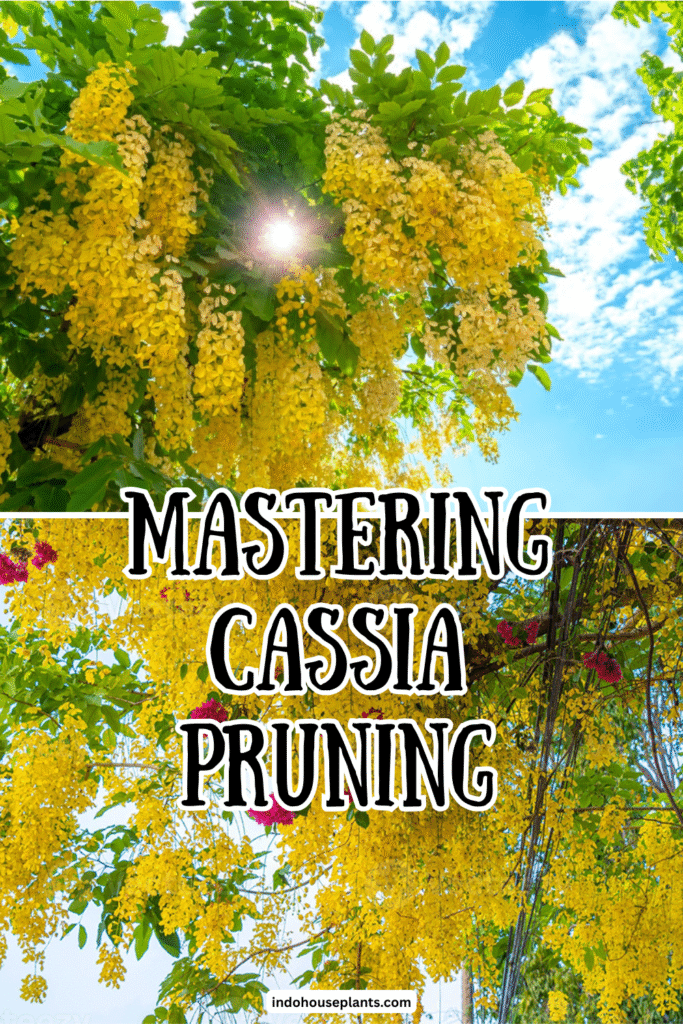
When to Prune—and Why Getting the Timing Right Matters
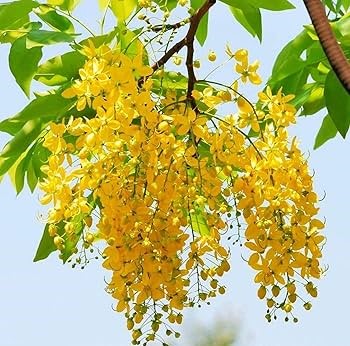
Most people only think pruning is about shape, but with Cassia, timing is close to sacred. This shrub blooms brilliantly in spring or early summer, and just after those glowing golden flowers fade is the prime moment to prune.
Why? Because Cassia sets the buds for next year’s flowers almost immediately after blooming. Cut too soon, and you’re basically snipping away the promise of next spring’s color show.
Here’s what many gardeners don’t realize: if you wait even a few weeks after the blooms fade, the plant has already locked in those new flower buds. So, the magic window is roughly within a week to two after flowering stops—no later, no earlier.
The Tools of the Trade: Sharpness Counts More Than You Think
One of my biggest early mistakes was using dull clippers that left ragged cuts. That invites disease and slows recovery. Sharp, clean pruning shears aren’t just about clean cuts—they help the plant heal quickly, which Cassia appreciates.
For thick branches, heavy-duty loppers come in handy, but remember: less is more. Don’t hack wildly; focus on precision cuts just above healthy leaf nodes.
Tip: I keep a small bottle of rubbing alcohol on my pruning bench to disinfect blades between cuts, especially if tackling branches that show any signs of disease.
Step Back and Understand Your Cassia’s Personality
Cassia shrubs are naturally informal and airy, not rigid spheres. When I prune mine, I start by standing back and imagining how it fits into that year’s garden scene rather than forcing symmetry.
Does it look too stringy on one side? Are some branches crowding the core, choking out air and light? Older growth can get woody and less productive, so I often remove a few tough old stems entirely to rejuvenate the plant.
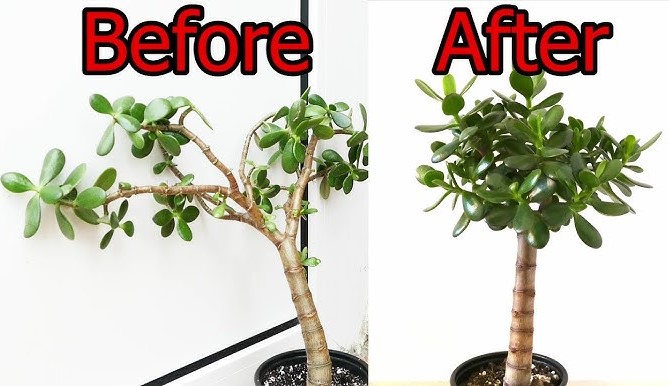
If your Cassia looks leggy—meaning tall, thin stems with leaves mostly on the upper ends—that’s your cue to cut those stems back by about one-third. Cut just above a leaf node, where a healthy bud can sprout new side shoots.
It’s fascinating watching those side sprouts almost explode into fuller branches by late summer, turning your once spindly shrub into a plush, glowing mound of green.
Real-World Styling Scenarios
- Leggy and Lopsided
I had a Cassia that was shooting skyward with most leaves perched at the very tips, and its base looked bare and sad. After pruning those tall stems back about one-third right after flowering, side shoots burst out in multiples by midsummer. By fall, it looked like a completely different plant—denser, more balanced, and happier. - Crowded Center Blues
In one garden, a Cassia’s center got so tangled branches rubbed together that the shrub looked stressed and was sporadically flowering. I removed several older, woody stems right at the base. That made a world of difference: air and sunlight flooded in, disease pressure dropped, and the next season’s blooms were noticeably brighter and more abundant. - Shaping to Fit the Space
When I needed a Cassia to gracefully border a path without overrunning it, I carefully trimmed the side closest to the walkway, cutting selectively to narrow the width but maintaining fullness. It’s all about moderation and respect for the plant’s natural shape rather than forcing it too thin or too square.
Common Styling Snags—And How I’ve Learned to Avoid Them
- Oops, Cut Too Early?
Early on, I accidentally pruned before all the flowers faded and lost the season’s blooms. It stung—but Cassia bounces back quickly if you water well and stay patient. The lesson: treat timing like gold. - Fear of Overdoing It
If you’re nervous about overpruning, think in thirds. Never cut more than one-third off an individual stem at once. If your shrub is crazy overgrown, spread heavier pruning over two seasons and expect a slower reward. - Unsure Where to Cut?
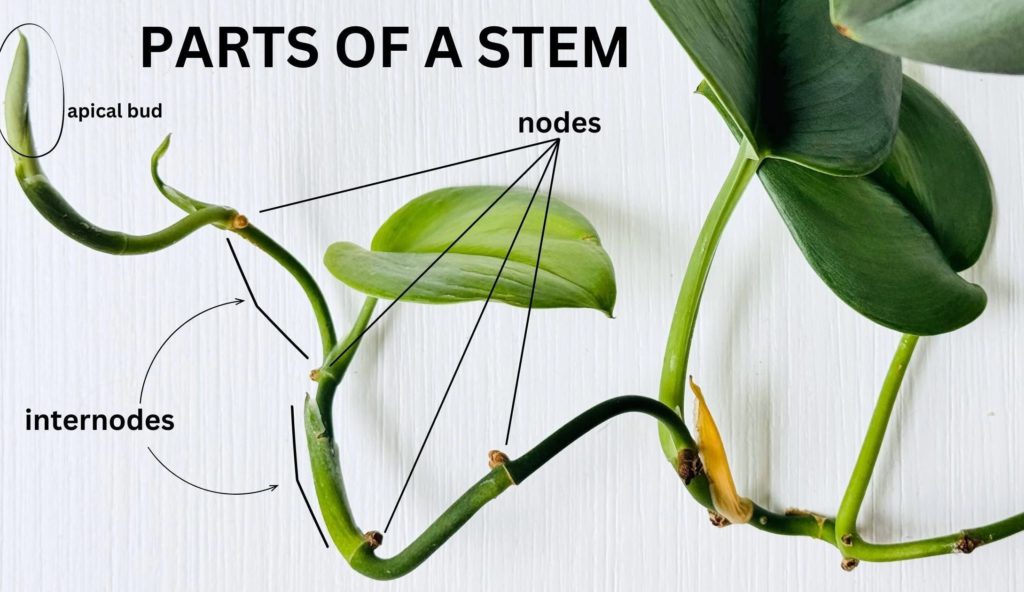
A leaf node is where the leaf or bud meets the stem, often looking like a raised bump. Cutting just above these nodes encourages new growth. Imagine the plant’s “growth eyes” right at these spots—cut just above, and you’re giving the shrub a nudge to wake them up. For a visual guide, the University of Florida IFAS Extension has a great resource on basic pruning cuts.
A Few Less-Obvious Tips That Serve Me Well
- Always make cuts on a dry day to reduce disease risk.
- Avoid topping the shrub—it can create a dense outer shell but a hollow inside, stunting growth internally.
- Mulch around the base after pruning to conserve moisture and feed recovery.
- If your Cassia has suffered from pest damage (like caterpillars), prune lightly to remove affected areas, then follow up with a mild soapy spray like this one from the National Pesticide Information Center.
Wrapping It Up with Confidence
Pruning a Cassia shrub isn’t some botanical science experiment; it’s a conversation with your garden. Each cut you make sends a message—a gentle command—that encourages your shrub to become denser, brighter, and more resilient.
With sharp tools in hand and a keen eye on the calendar, prune just once a year, soon after the flowers fade, and watch your Cassia return year after year as a sunlit, golden focal point.
I promise, once you get into the rhythm of this annual styling, you’ll find the process grounding and even a bit addictive. It’s one of those simple gardening wins that pays off with vivid color and lively growth.
So, grab your shears when the blooms fade, prune smart, and enjoy your blooming Cassia like a true garden insider.