You know, between you and me, I’ve killed more spider plants with love than I care to admit. There’s this moment every plant parent faces: you’re standing in the kitchen at dusk, squinting at the label on a bottle of mystery fertilizer—wondering if your leafy babies are hungry or just… moody. Been there myself!
So let’s skip the textbook rules and talk real talk about fertilizing indoor plants—the kind of tips you learn after years wrestling watering cans and chasing down root rot at 2am.

Why Fertilizer Freaks Us Out (But Doesn’t Have To)
First time I tried fertilizing my IKEA palm? Disaster. Gave it a hearty glug of full-strength fish emulsion right before vacation—returned home to brown tips and a distinct eau de compost wafting from my living room. Lesson learned: more is definitely not better.
What most people don’t realize is that houseplants are like us after Thanksgiving dinner—a little extra is great, but a full-on feast leaves everyone queasy. For indoor greenery, consistency beats potency every single time.
My Hard-Earned Fertilizer Rules
1. Ignore the Label’s Bravado
Here’s what they won’t tell you at the hardware store: those “weekly feedings” printed in all caps on most bottles? That schedule is for outdoor veggies growing faster than weeds, not your languid pothos basking on an apartment ledge. Indoors, things happen slow-mo.
- Secret: Use half—sometimes even quarter—the recommended amount. When instructions read “1 teaspoon per gallon,” I grab an old plastic coffee scoop and eyeball a lazy half, then fill up my trusty watering can.
2. Calendar Hack: The “Plant Happy Hour”
I set actual calendar reminders (repeat events labeled “plant cocktail hour”) for every six weeks starting in March—that way fertilizing feels like an occasion rather than another chore.
- Between you and me, missing one feels better than overdoing three; plants have longer memories for burns than forgetfulness!
3. Listen Before You Add
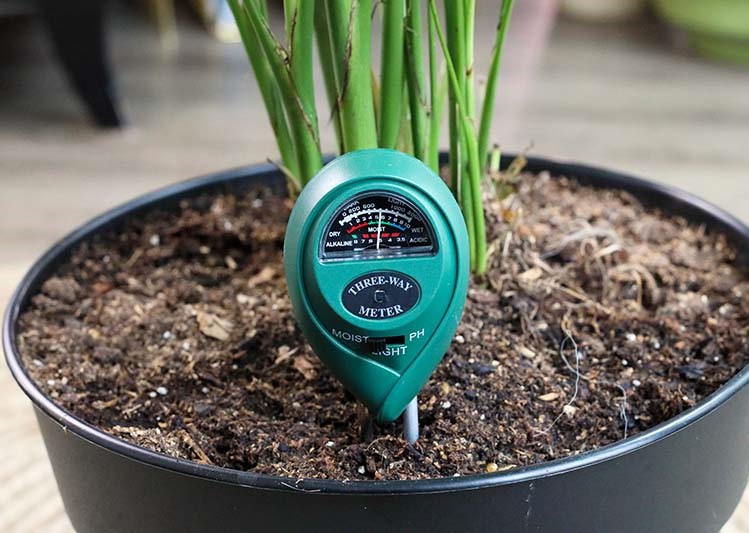
Before mixing up any fertilizer, poke your finger into the soil near the edge—not next to the main stem where roots concentrate—to check if it’s still moist below surface level. Dry soil plus fertilizer equals fried roots (and crispy regrets).
If you hear faint resistance or smell something sour when you tip the pot? Skip feeding and water plain first.
Three Mishaps That Taught Me Everything
a) My Overfed Snake Plant:
It looked invincible… until its leaves developed yellowish edges. Turns out succulents practically fast during winter! Now I only give them a diluted half-dose about twice all summer long, usually around Memorial Day and late July.
- Sensory tip: A healthy snake plant leaf squeaks when pinched—no fertilizer needed until growth picks up.
b) The Window Sill Jungle Revival:
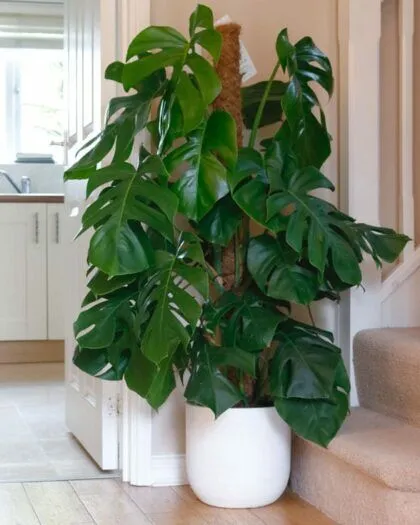
One spring, my monstera went nearly translucent at the tips—even though it was getting morning sun daily. Instead of switching fertilizers yet again (I’d already spent $50 chasing fancy formulas), I split one gallon of diluted food among four pots—and new growth appeared within two weeks.
- Expect gentle deepening of green before wild new leaves; patience pays off big here.
c) Rescue Mission Gone Wrong:
Tried reviving my friend’s droopy fern by feeding it during a November cold snap—yikes! All that did was stress those roots out further. From then on: NO FERTILIZER from Halloween through Valentine’s Day unless it’s an actively blooming type.
- If anything looks limp in winter? Plain water, more humidity, no snacks until days are bright again.
Pro Tips Most Don’t Share
- Fertilizer Residue Build-Up Is Real: Every few months—or whenever life feels chaotic—I do a gentle flush by pouring clean lukewarm water through each pot until it drains clear. The ASPCA has a great guide on general plant care safety if you’re also a pet owner.
- Love Your Tools: I keep a cheap milk frother for stirring up batches so nothing settles at the bottom (plus it’s oddly satisfying).
- Reuse Those Takeout Chopsticks: For aerating dense or crusty soil before adding food—it helps nutrients reach roots instead of pooling up top!
My Favorite Low-Key Products
Not sponsored or anything fancy:
- Dyna-Gro Grow 7-9-5 – reliable for everything from ferns to figs
- Schultz Liquid Plant Food – easy to measure with built-in dropper cap
And honestly? Basic Miracle-Gro works if sticking to half-strength and flushing salt build-up every so often. You can compare more plant food options on gardening sites like The Spruce.
What Actually Works: Celebrate Small Wins
Every time bright green fuzz appears on a new pothos leaf or your peace lily throws up another blossom after months of ignoring it—I swear there are few joys quite like that.
Remember:
- Start tiny: test with just one plant first if nervous.
- Take notes in your phone (“Fed pothos April 10th!”)
- Don’t expect jungle vibes overnight; slow-and-steady always wins inside.
After years of trial and error (and trust me, more errors than triumphs!), here’s what finally stuck: love your plants enough to NOT fuss over them constantly. Set reminders so feeding is routine rather than sporadic panic; notice changes in color as your signal things are working; forgive yourself wholeheartedly—even seasoned growers send a few ferns to that big compost heap in the sky now and then!
Now go grab that mini bottle from under your sink—you’re officially in on all my best shortcuts for lush houseplants without heartbreak or headaches. They’ll reward you for it…and maybe even become sturdy enough to ignore for whole weekends away!