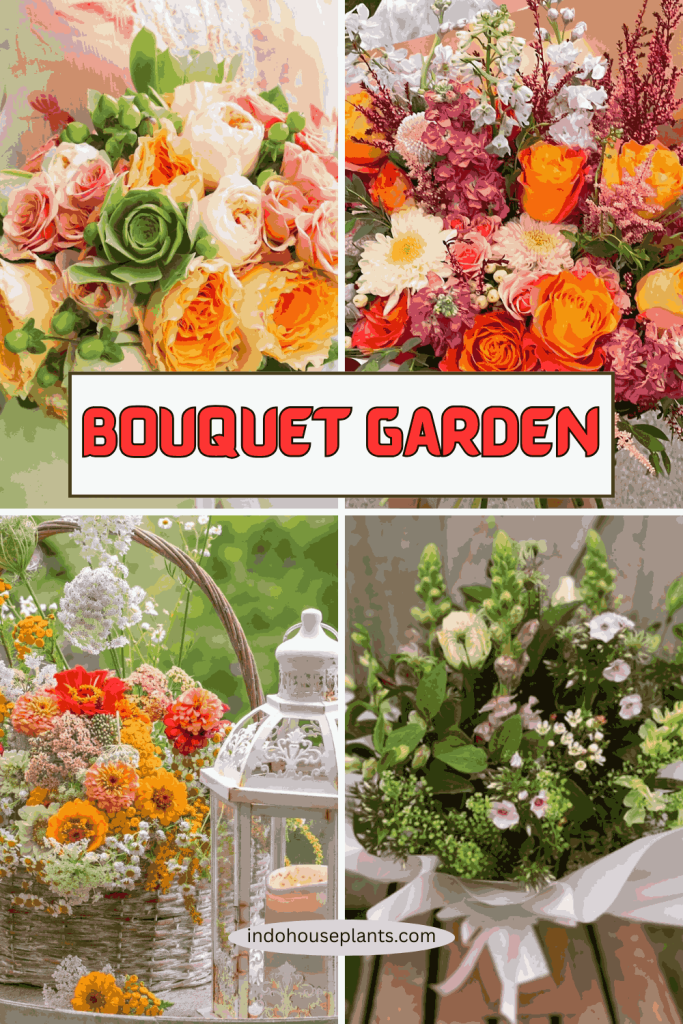
What Makes a Bouquet Garden Plot Different?
This isn’t just any patch of flowers. It’s a carefully curated, living bouquet workshop. From experience, I know that a random assortment of blooms can quickly turn chaotic, but when you select flowers with cut-worthiness in mind—plants known for long stems, sturdy stalks, and colors that sing—you get a repeatable source of joy for weeks, not just a flash of beauty that fades.
Here’s what most gardeners miss: a bouquet garden plot isn’t about growing the biggest or most flowers; it’s about growing the right ones that encourage you to snip often without feeling guilty. It’s a space designed for rhythm and ritual, where you’re regularly rewarded by fresh bouquets that brighten rooms or brighten someone’s day.
How to Start Your Own Bouquet Garden Plot (with Real-World Wisdom)
- Scout Your Space Thoughtfully
Spent years struggling with my flower plots until I landed on a spot just outside my kitchen door. The sun hits there in the morning through early afternoon, which turned out perfect. The ease of access means I actually pick flowers daily, not just once in a while. This simple convenience changed the entire experience. - Keep It Cozy, Keep It Manageable
Start small—something like 4×4 feet or a couple of big containers. I’ve found that when you start too large, it becomes overwhelming to maintain and harvest consistently. A smaller plot feels more like tending a beloved pet garden rather than a chore. - Choose Blooms That Speak Your Style—and Your Climate
Here’s a little nugget from my experience: don’t just pick flowers based on looks; consider bloom times, stem strength, and how “cut-friendly” they are. Some tried-and-true favorites that work almost everywhere include:- Zinnias: Easy comers, vibrant colors, and don’t fuss much. They’ve saved me on days I forgot to water.
- Sunflowers: Yes, they’re showstoppers, but beware—they can get tall and floppy if unstaked. A simple bamboo stake does wonders.
- Snapdragons: Give a whole different texture to bouquets with their elegant spike shape, plus they bloom longer than expected.
- Cosmos: I adore their airy, delicate look—it adds lightness to any bouquet.
- Dahlias: Slightly fussier, but oh-so-rewarding when they bloom. These become my garden’s dramatic finale.
- Prepare That Soil Like You Mean It
The first year I just planted into my garden dirt, and blooms were sparse. Once I started loosening the soil deeply and adding plenty of well-rotted compost, the difference was night and day. Give your bouquet plot plenty of nutrients, but remember—flowers hate soggy feet. If your soil tends to hold water, mix in perlite or sand to improve drainage.

- Watering and Feeding: The Art of Not Overdoing It
Here’s something I learned the hard way: consistent moisture encourages strong stems, but overwatering invites disease. Aim for steady moisture, especially during dry spells, but let the soil dry slightly between watering. Weekly feeding with a balanced, water-soluble fertilizer keeps those blooms coming—think of it as your flowers’ favorite smoothie. - Harvest Smart for Maximum Blooms
This is the secret sauce no one tells you: cut flowers early in the morning when they’re freshest, and always leave a couple of leaves on the stem so the plant can keep photosynthesizing. Use sharp pruners to avoid crushing stalks, and cut at a 45-degree angle to prolong vase life. The more you harvest, the more the plants reward you—plants hate to waste energy on old blooms!
Real World Inspiration That Might Spark Your Own Ideas
- Sarah’s Kitchen Window Plot: Sarah turned a tiny 4×4 area beside her kitchen window into a blooming bouquet treasure chest with a mix of zinnias, cosmos, and snapdragons. Every week she pops a small arrangement on her dining table and gifts one to her neighbor—small acts that create big smiles.
- Mike’s Backyard Sunflower Wall: Mike used his plot creatively, planting sunflowers with dahlias to not only produce gorgeous bouquets but also create a natural privacy screen. This dual-purpose approach meant his patio felt more like a secret garden oasis—and he had fresh flowers indoors whenever he wanted.
- Emily’s Balcony Blooms: Living in an apartment with only a balcony, Emily swapped traditional soil beds for large containers and grew zinnias and snapdragons. She’d arrange bouquets that brought a splash of outdoor freshness to her home office, a little luxury that helped her through long work-from-home days.
Troubleshooting Like a Pro
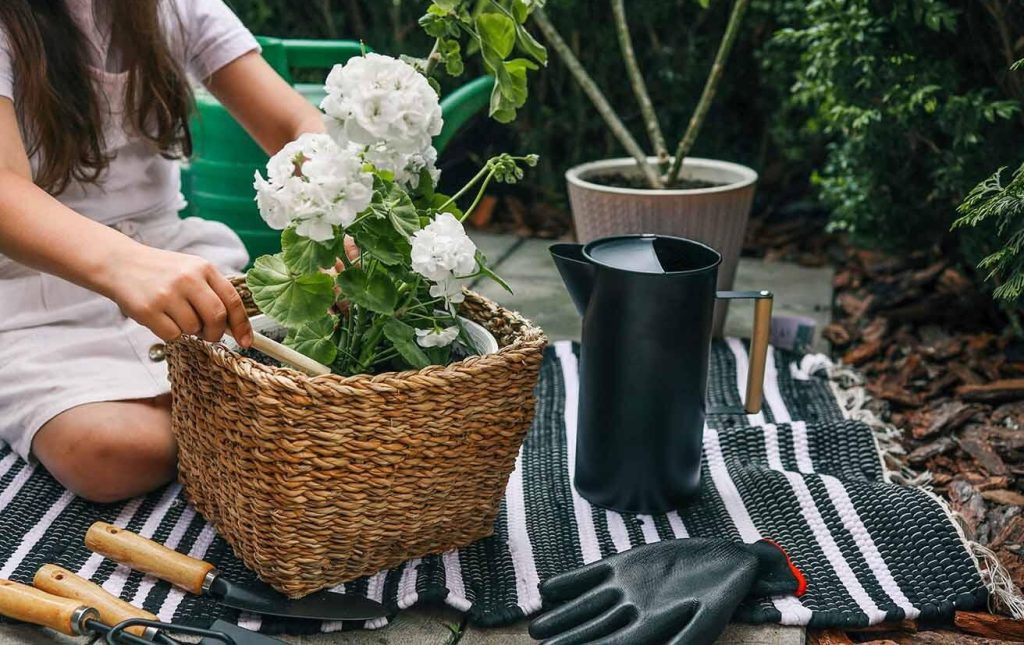
- Stunted or Sparse Blooms?
Usually tied to sunlight or soil drainage. Don’t shy from moving your plot if it’s too shady. And if your soil holds too much water, add organic matter or create a raised bed. - Pesky Pests Invading Your Patch?
Nature’s helpers like ladybugs for aphids or homemade garlic sprays can be lifesavers. I keep a small sprayer handy for quick treatments and take time each week to inspect my plants—catching problems early is key. - Crowding or Mold Issues?
Thinning seedlings early isn’t just about plant health; it’s about respectful spacing so each flower breathes and thrives. I also prune mid-season to keep the bouquet plot tidy and encourage airflow.
Why I Keep Coming Back to My Bouquet Garden Plot
It’s not just about the flowers; it’s the ritual of care and the rewards in color and scent. Cutting your own bouquets feels like a quiet personal victory—a connection to Earth’s cycles you can hold in a vase.
Plus, there’s a real joy in gifting a fresh, homegrown bunch to someone—and knowing exactly the love and effort behind each bloom.
If you’ve ever felt intimidated by big gardening projects, the bouquet garden plot is your perfect in-between: manageable, meaningful, and incredibly rewarding. And once you get the hang of it, you’ll catch yourself daydreaming about next season’s color combos or scouting for new varieties to try.
Ready to Dive In?
Here’s what I’d suggest you do today:
- Find a sunny corner or balcony spot that makes you smile when you look at it.
- Clear a 4×4 foot patch or grab some big containers—you want it to feel inviting, not overwhelming.
- Choose a couple of your favorite beginner flowers—zinnias are a fail-safe and fun to grow.
- Get your hands dirty prepping the soil with rich compost or pick up quality potting soil if in containers.
- Plant with love, water gently, and imagine what your first bouquet will look like—because it’s coming, and it’s going to blow you away.
Growing your own bouquet garden plot isn’t just about flowers; it’s about cultivating a little pocket of joy, right where you can see it every day. And trust me, once that first bouquet blooms in your hands, you’ll never want to stop.
If you want personalized advice for your region or flower recommendations based on your style, just let me know—I’ve got a dozen favorite varieties and hacks to share!