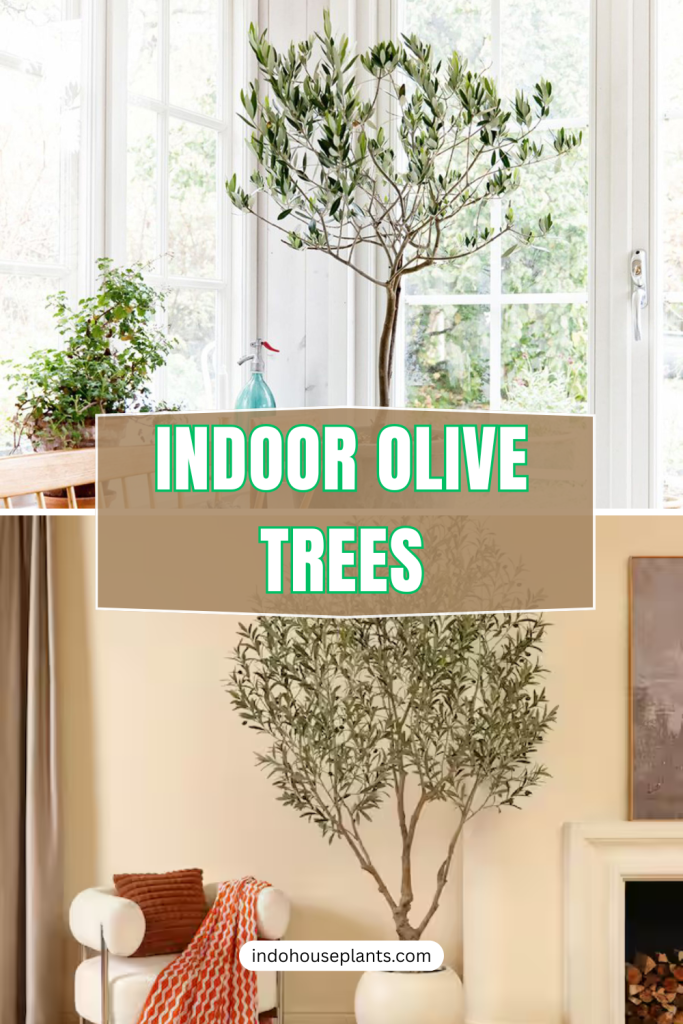
Indoors, olives are less about glossy magazine aesthetics and more about knowing how to read their moods. Most plant guides skim the surface; they’ll tell you “put it in light” or “don’t overwater,” but here’s what actually matters if you want an indoor olive that doesn’t just limp through winter but becomes that head-turning conversation piece in your apartment.
Let’s Bust the Biggest Olive Myth: They Can Thrive Indoors. But…
Here’s what most people don’t know: it’s not about which window you use—it’s about tracking sun like you’re running a solar farm.
In 2017, I inherited a two-foot Arbequina olive that had been dying in someone else’s hallway for years. The first thing I did? Mapped where sunlight moved through my workspace every hour for three days. Noticed one corner got a full blast from noon to sunset—even better than my supposed “bright” windowsill.
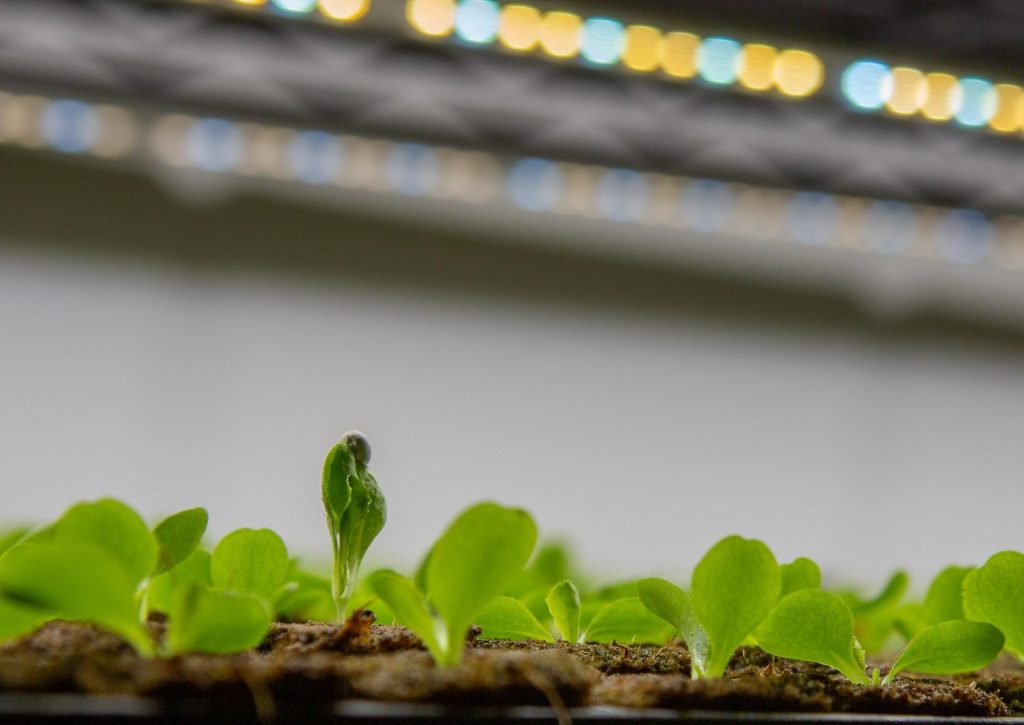
Insider tip: If you can’t get at least 5-6 hours of sun, don’t waste months watching sad growth and leaf drop. Invest $35 in a full-spectrum LED panel (I use the Sansi brand—not sponsored, just honest results). Hang it right above your plant—not off to the side—and run it on a smart plug timer for 8 hours daily in winter.

What People Get Dead Wrong About Watering
The reality is, nearly every failed indoor olive I see is smothered with good intentions—meaning too much water. Skip the calendar schedules and get gut-level with your plant: poke your index finger in up to the second knuckle. Dry? Water. Damp? Wait two more days.
And here’s something even seasoned gardeners miss: olives absolutely sulk when perched above radiators or over soggy trays! Back in 2014, I lost two dwarf olives because well-meaning housemates left them sitting on catch trays full of runoff after every shower—resulted in root rot before spring even arrived.
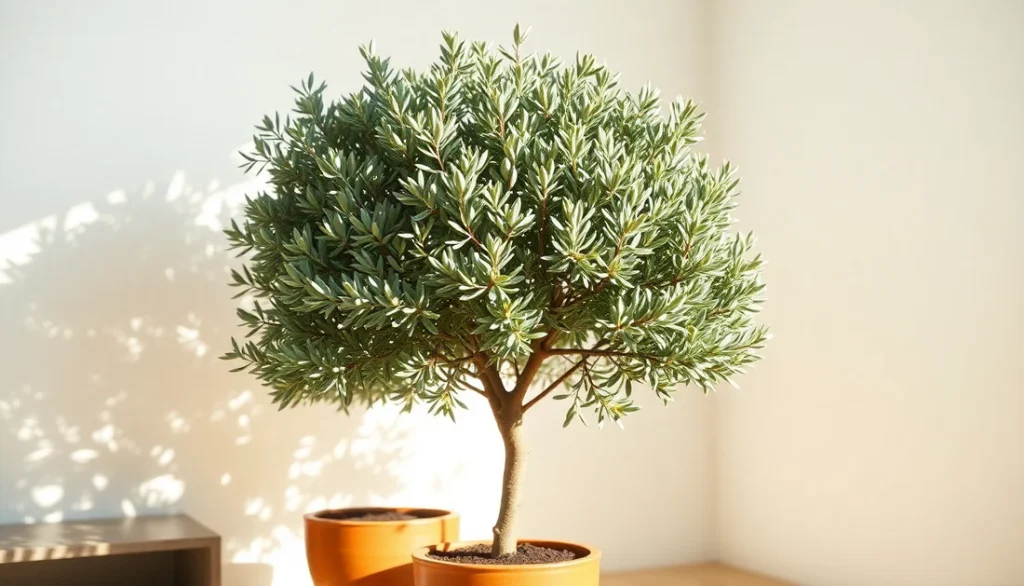
My current fix? Terra cotta pots exclusively, always with chunky stones at the base beneath cactus soil (roughly 60% cactus mix, 40% standard potting soil). My oldest tree hasn’t seen a yellow leaf since making this switch.
Secret weapon: For big pots, insert a cheap moisture meter probe ($10 on Amazon). It saved me from underwatering during a particularly dry January last year when central heating ran nonstop.
Potting Soil: The Layering Hack No One Talks About
Forget general-purpose mixes—it will literally suffocate your olive roots indoors. Here’s my fail-proof recipe learned after multiple repottings gone wrong:
- Bottom layer – an inch of aquarium gravel or LECA (prevents clogged drainage)
- Potting layer – a 50/50 blend of cactus mix and basic potting soil
- For extra airflow, toss in two cups of perlite per medium pot
- Top dressing – decorative gravel keeps gnats away and gives that Mediterranean flair
I’ve tried mixing sand directly into soil; unless you’re using horticultural-grade stuff, it compacts and ruins drainage fast—a mistake that cost me an entire growing season once.
Real Life Check-ins (Including My Own Plant Drama)
Let’s be honest: most people only show off when things go well online. Early on, half my success was dumb luck—I’d put an olive near my kitchen sink where morning light glanced off white tiles for an extra hour of brightness each day (reflections matter!).
When I moved it to what seemed like an identical spot by the front window, growth stalled until I noticed dust buildup blocking half the sun—literally wiped leaves biweekly with a damp cloth and watched improvement within two months.
Then there was Anna—a fellow apartment dweller—who swore her olive wouldn’t stop dropping leaves until she realized her building cranked up heat overnight every winter evening, leaving chilly drafts rushing in under the window frame each morning. Solution? Simple rolled towel draft stopper and suddenly new buds everywhere come spring!
Troubleshooting That Works When Google Won’t Save You
Sunlight Too Weak?
Don’t hope for miracles from fertilizer if you’re working with dim conditions; energy comes from light alone here.
- Use reflective surfaces nearby—white walls or foil behind your pot give surprising boosts.
- Quick check: If you can read without squinting next to your plant at noon, chances are it’s getting close to enough sun.
Dropping Leaves or Crispy Tips?
Almost always uneven watering or cold drafts—usually both.
- Move away from vents/doors and recalibrate how deeply you water.
- A humidifier nearby helps during those deep-winter weeks when home air gets Sahara-dry (aim for around 40%).
Growth Stalled For Months?
Totally normal during cooler months indoors! But if nothing happens all summer, suspect roots bound too tight or too little food.
- Repot late winter before new growth starts,
- Add slow-release fertilizer designed for fruiting trees—in teensy doses; olives don’t guzzle nutrients like monsteras do.
From One Plant-Nut to Another—The Little Details That Matter
The thing nobody tells beginners: Indoor olives forgive lazy weekends but punish routine over-care.
A friend used to spritz her olive daily thinking it needed “Mediterranean humidity”—big mistake! Fungal spots everywhere after three weeks; rectified by stopping misting altogether.
And those first leaves turning pale green? Not necessarily disaster—that’s usually new growth signaling you’re nailing it!
Best bonus tip: Every couple months spin your pot just slightly—not some regimented schedule but every time you sweep under it so all sides get their shot at sunlight (and dust doesn’t accumulate).
Your No-Nonsense Olive Plan Today
- Scout Light Like Sherlock: Spend five minutes observing where sun lands longest inside your place
- Repot Right: Gravel base + cactus soil + terra cotta = winning combo
- Set Realistic Reminders: Only check soil moisture weekly rather than every couple days
- Rotate…When You Remember: Keep things even—that’s all!
- Get Ahead on Winter Light: Order an LED grow light now while they’re cheap off-season
- Read Your Plant’s Body Language: Droopy/curling = thirsty or cold drafts; crispy = dry air or watering slip-ups
- Celebrate Real Progress: Track leaf flushes by date—they tell more than any blog post ever could
And when setbacks happen—which they will—it means you’re experimenting like every successful plant keeper before you.
Here’s what truly counts: trust real-world trial-and-error over anyone preaching perfection online (including me). Build routines flexibly around your home’s quirks and don’t be afraid to improvise with tools—the best solutions sometimes involve a $5 store lamp clamped onto a shelf instead of fancy gear.
Olive trees love patience as much as sunshine—and someday soon yours will soak up rays right alongside your morning coffee ritual or late-afternoon brainstorming session, sturdy proof that yes—you can bring some Mediterranean magic indoors…no matter how far north those windows face!
Raise that mug—and maybe start planning where you’ll squeeze one more leafy friend next season!