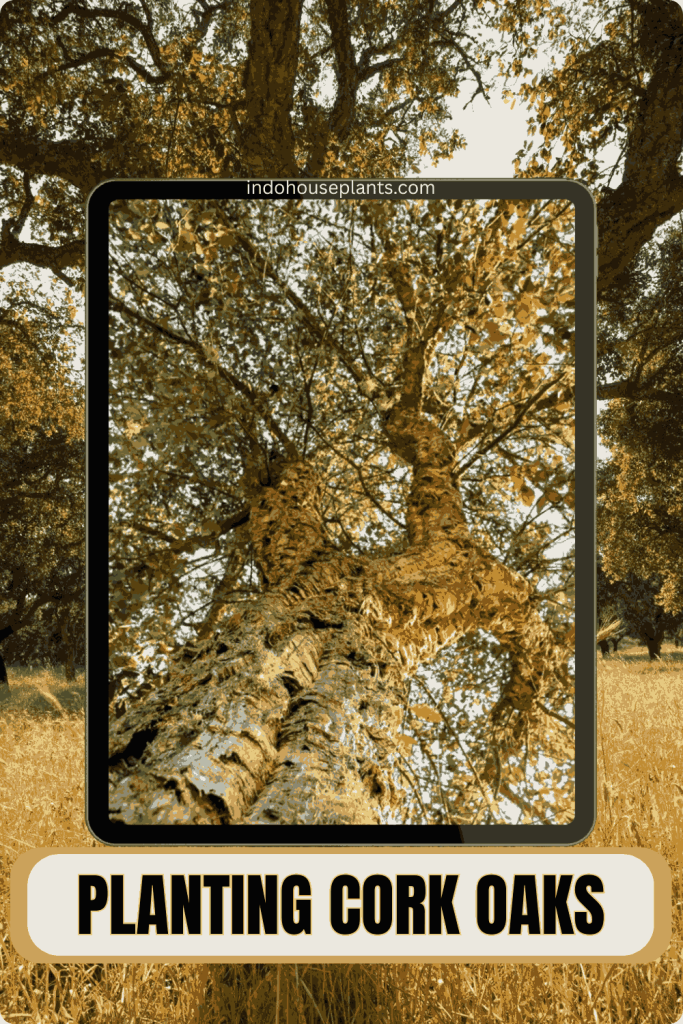
Planting cork oak trees isn’t just about putting a tree in the ground—it’s about embracing a piece of Mediterranean heritage that takes decades to unfold. I’ve seen firsthand how these slow-growing giants reward patience and care, becoming more than just trees—they become living landmarks of a landscape and culture.
Why Cork Oaks Are Unlike Any Other Tree You’ll Plant
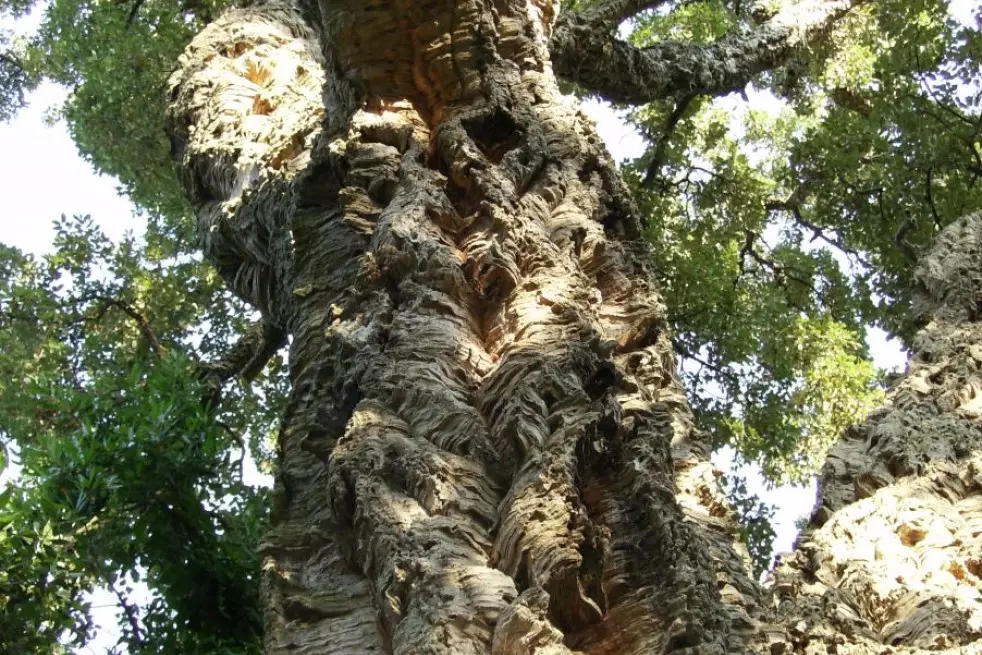
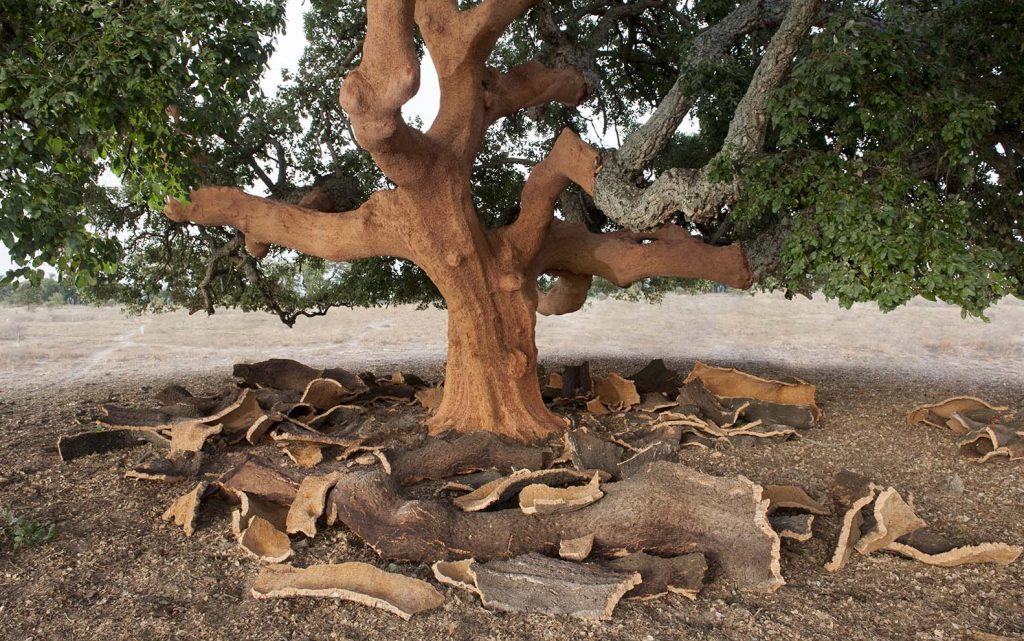
Quercus suber isn’t your everyday tree—it’s nature’s gift to industries and ecosystems alike. Its rugged, thick bark is harvested in strips every decade or so to make corks, flooring, and other sustainable products. This bark regenerates without harming the tree, making cork oaks a rare renewable resource, kind of like a tree that pays you back again and again.
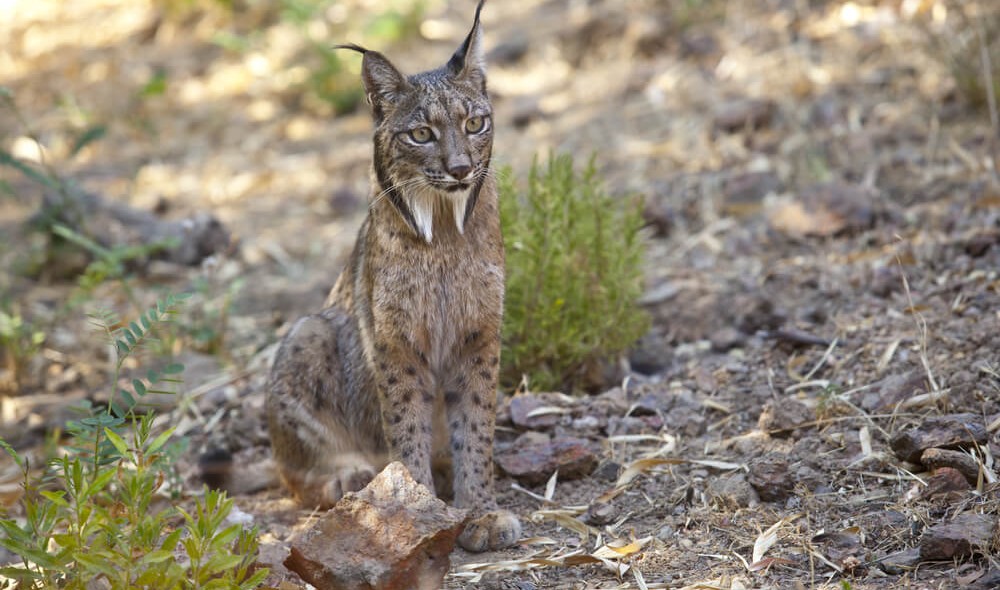
Here’s something many don’t realize: cork oaks are guardians of biodiversity. Birds, mammals, and a whole micro-ecosystem rely on them. But these trees are sensitive, slow to establish, and absolutely demand respect in where and how you plant them.
The Real-World Know-How: Planting Cork Oaks with Purpose
Location, Location, Location
Forget generic “well-drained soils” advice—I’ve walked fields scattered with struggling cork oaks that were simply in the wrong place. These trees adore Mediterranean climates with hot, dry summers and mild, rainy winters. If you’re in southern Portugal or Andalucía, you’re in the sweet spot.
Sunlight isn’t just nice—it’s essential. I’ve seen saplings in partial shade falter, their growth stunted. Find a spot with at least 6-8 hours of solid sun.
Soil matters just as much. Sandy loam is the dream—firm enough to hold moisture but loose enough to breathe. Avoid soggy dips or depressions where water pools after rain—that’s cork oak kryptonite.
When to Plant—Timing Is Everything
I recommend early spring—right when the soil warms just enough to wake roots but before the heat of summer stresses young plants.
Avoid the temptation of planting in fall unless you live in frost-free zones. The roots struggle if they start growing and then hit freezing conditions.
Preparing Your Site: More Than Just Digging Holes
Clear all competing weeds because cork oak seedlings can’t fight turfgrass or aggressive vines. Loosen your soil at least 30 cm deep to give roots room to explore.
For heavy, clay-heavy soils, amending with sand and peat moss can create the perfect drainage balance.
Selecting Saplings: Choose Quality Over Quantity
Look for 1-2 year old saplings with robust, fibrous roots and bark that’s smooth and intact. Ask your nursery about genetic origin—it matters.
How to Plant Like a Pro
- Dig holes twice as wide as the root ball but not deeper.
- Tease roots apart if they’re clustered.
- Water deeply right after planting.
- Mulch with organic mulch like pine bark or straw, keeping it away from the trunk.
Ongoing Care: Small Efforts, Big Rewards
- Water deeply but infrequently during the first two years.
- Don’t rush to fertilize—cork oaks grow best in relatively poor soils.
- Protect young trees with simple fencing or plastic guards from deer or rabbits.
Real Stories That Stick With Me
Maria’s story from southern Portugal is a classic example of what works. She carefully chose a sandy loam site on a gentle slope, prepared the site thoroughly, and planted healthy two-year-old saplings.
John’s story in southern Spain is a cautionary tale but with a happy ending. Planting on heavy clay soil without preparation led to many dead saplings. After amending the soil, his next batch flourished.
Common Hiccups and How to Fix Them
- Wilting or yellow leaves: Usually overwatering or poor drainage.
- Slow growth: Normal—cork oaks are marathon runners, not sprinters.
- Pests and diseases: Use organic fungicides or insecticidal soaps.
- Frost damage: Protect young trees with frost cloths.
Why You Should Start Now
Growing cork oaks is a long-term love affair with a tree that repays decades of patience. You’re not just planting a tree—you’re weaving into ancient ecosystems.
Your Personalized Action Plan
- Scout local nurseries for quality cork oak saplings.
- Walk your land, noting sun exposure and soil drainage.
- Clear and prep your planting zone now.
- Source organic mulch before planting.
- Set reminders for watering and protection.
- Document your journey with photos and notes.