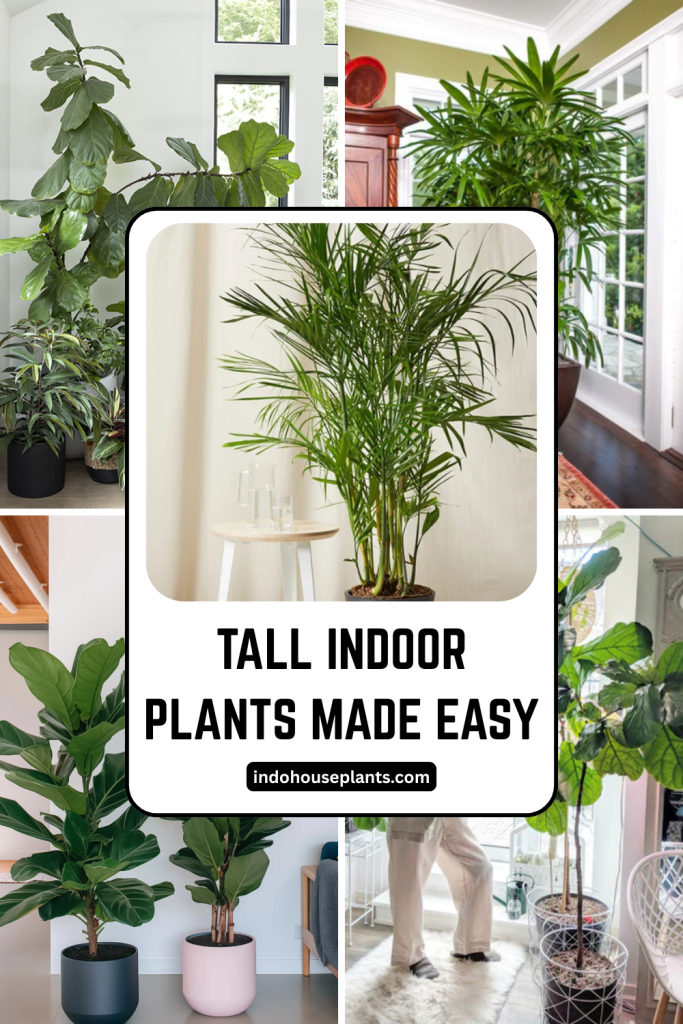
Back when I first started experimenting with tall indoor houseplants—this is years and years ago, back when people still thought spider plants were the pinnacle of home décor—I had a knack for picking fussy, gorgeous specimens only to watch them dramatically wilt in protest.
The reality is, most people (including me, that first season) don’t realize just how forgiving many tall plants can be if you know a couple of lesser-known tricks.
Let me break this down and pass on some hard-earned insider wisdom from all my plant wins…and spectacular fails.
The Secret Life of Tall Indoor Plants: Beyond Pinterest Perfection
You see glossy magazine spreads with 8-foot figs or towering palms, but what those spreads never tell you is that nearly all successful indoor “trees” are sitting in shockingly average homes—think bland natural light, forced-air heat in winter, unpredictable humidity.
And yet? They thrive.
Here’s what most people don’t know: it’s not about being a “plant person,” it’s about understanding the unspoken rules that even the pros sometimes ignore.
Step by Step: Why Being Imperfect is an Advantage
No question is silly here: did you know not pampering your tall houseplants can actually help them thrive?
I once tried topping up my rubber plant’s water “just a little” every other day because I thought it needed more attention—it nearly drowned! It was only when I got lazy (truth!) and watered deeply once every week or two that the thing shot up past my windowsill.
Here’s what most beginners miss:
- Stability over perfection. Unlike smaller plants that can rebound quickly from mishaps, these tall beauties appreciate predictable routines and being left alone more often than not.
- If you’re forgetful or busy—congratulations! You’ve got one major secret weapon already.
Tall Plant Picks from Years of Trial, Error & Happy Surprises
Don’t just settle for whatever looks good on Instagram; pick your leafy co-star based on real lifestyle fit.
1. Rubber Plant (Ficus elastica)
Why insiders love it: Flexible with light levels; willing to tolerate a dustier city apartment than most.
- Pro tip: Once a month, run a damp cloth over the leaves not just for dust control but to check for potential pests before they spread.
- Care metric: Mine adds about 8–10 inches per year with indirect east-facing light.
- Failed attempt lesson: After my first died mysteriously, I realized it was in a pot with trapped water—it needs real drainage!
2. Corn Plant (Dracaena fragrans)
Common myth to ignore: People say they need tons of sun—they really crave mediocre conditions.
- Real-life example: My office has zero direct sunlight after noon; the corn plant there has quietly doubled in size over three years!
- Insider trick: When lower leaves get ugly and yellowed (and they will), slice them close to the trunk—don’t panic, new growth comes out cleaner at the top.
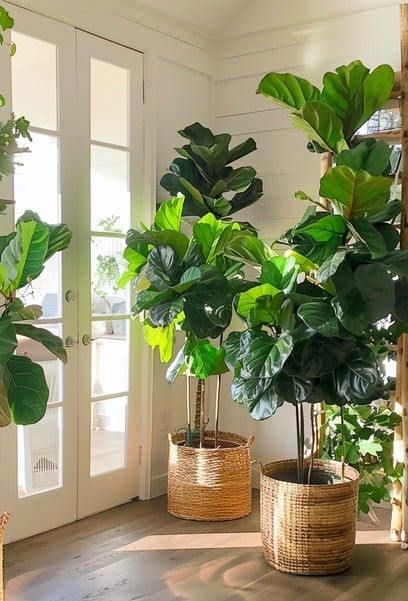
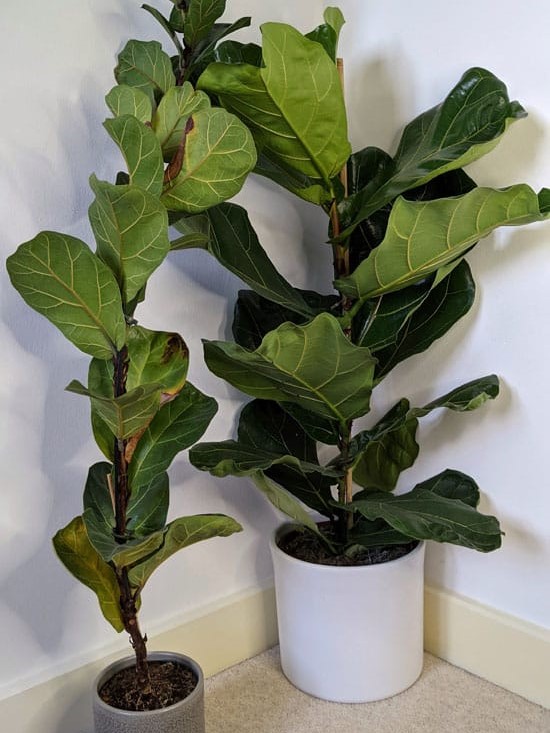
3. Fiddle-Leaf Fig (Ficus lyrata)
Yes—it’s finicky in internet forums…but with old-school moves like quarter-turning the pot each week (keeps it growing upright), and letting tap water sit overnight to let chemicals dissipate before using, mine has gone five winters without one lost leaf.
- Unexpected tip: Gently shake or wiggle the stem monthly; this helps strengthen its trunk indoors since there’s no wind.
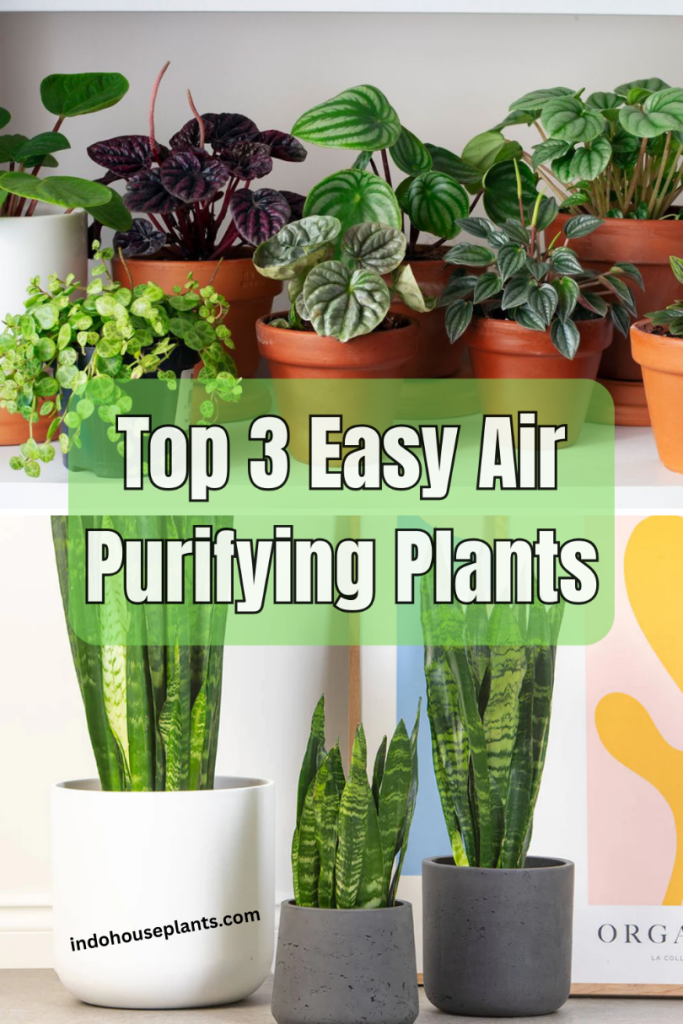
4. Snake Plant (Sansevieria trifasciata)
Ideal for serial neglecters.
- In a 10” pot next to my north-facing bathroom window—the darkest room in the house—it grew an honest-to-goodness foot taller after I forgot about it until spring cleaning rolled around.
- “Here’s what nobody tells you” moment: Their roots are shallow—repotting too big actually invites rot! Use wide-and-shallow pots instead.
5. Parlor Palm (Chamaedorea elegans)
If you want vintage vibes—a genuine Victorian parlor plant—I’ll vouch for its patience through gross radiator blasts in winter.
- Each stem emerges slowly like green fingers stretching toward sunlight.
- Fluorescent bulbs? Totally fine. In my last rental with almost zero real sunlight, mine held court above a bookshelf for four straight years without complaints.
What Most Guides Won’t Tell You About Indoor Giants
Here’s an inside confession: When clients ask why their favorite nursery giant didn’t make it at home, 8 times out of 10 it comes down to loving too much (read: overwatering).
Step by step:
- Always double-check with your finger—not an app or calendar—an inch into soil before watering again.
- Terracotta pots evaporate moisture faster than ceramic or plastic; use these strategically if you’re heavy-handed with watering.
- Droopy new leaves? That usually means stress from being moved—not disease!
- Had root stinkiness (“swamp foot”)? That’s your hint to add perlite to commercial potting mix (about 20%) before repotting next time—it literally saved three plants of mine last spring.
Cost breakdown tip nobody mentions: Go bigger with pots only when roots push against drainage holes at bottom—not after every growth spurt; otherwise your tall friend will focus on roots instead of leaf drama and stall out visually (been there…twice).
Getting Creative Without Botanical Drama
Think of it this way: sometimes small changes make huge differences that big-box garden centers won’t teach:
- Place large-leaved varieties where air circulation happens naturally—in front halls or beside occasionally opened windows—to stave off pesky fungal spots.
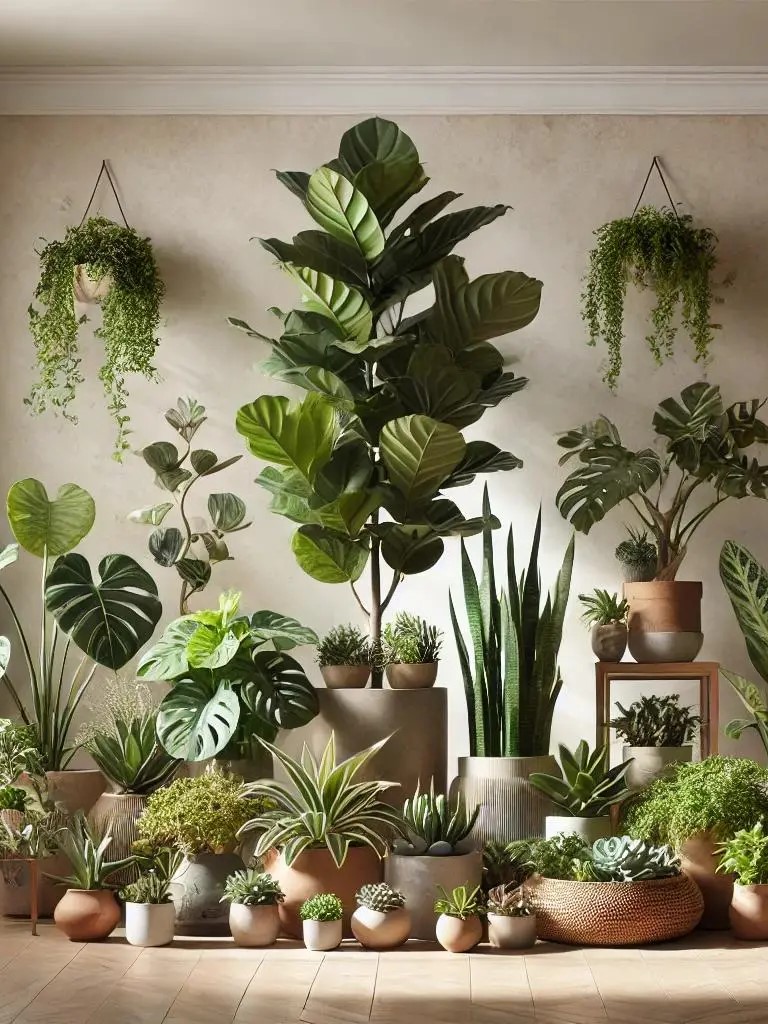
- Group different heights together near corners; combined humidity helps them all stay less crispy during dry spells (I call this “community support”—plants really do whisper encouragement).
- Rotate chopped-down stems as propagation cuttings into water jars on shelves—watching little root nubs form is pure magic.
Encouragement For Beginners (And Those Starting Over)
The first truly lush corner I ever set up wasn’t perfect—a half-empty bag of cactus mix spilled onto old newspapers under an antique lamp—but boy did those mismatched containers glow once their green tenants settled in.
Plant casualties happen—I’ve composted as many as I’ve nursed to adulthood—but I’ve always learned something useful in the process:
- Your space doesn’t have to mimic a conservatory.
- Your schedule doesn’t have to bend around watering days.
- Your comfort level grows alongside every fresh frond or root shoot you notice climbing upward after months of patient waiting.
So take one step at a time:
- Start by picking one spot that feels empty.
- Glance at how many hours direct sun hangs there—or try standing there midday yourself!
- Choose one low-drama candidate from above—even just one will show instant transformation within weeks.
- Buy only when you find drainage holes on display pots…seriously!
- Mark first watering date somewhere visible (“Alexa remind me!” works wonders).
- Celebrate each new leaf—you earned it by paying attention rather than aiming for perfection.
Remember: even seasoned growers kill plants sometimes—but nobody ever regretted starting their own vertical jungle journey inside four everyday walls!
Let’s get planting—and learn together as we grow upright beside our leafy companions!