Ever tried to nurse a drooping pothos back to life, only to watch it turn yellower by the minute and thought, “Wow, maybe I wasn’t cut out for this”? Been there.
In fact, the first plant I bought for my kitchen window was a crispy leaf graveyard in less than a month. But—here’s what almost nobody tells you up front: Even obsessive plant lovers kill more green stuff than they’d like to admit. Success isn’t about thumbs turning magically green. It’s about learning how things go wrong, so you can react (or even prevent disaster) next time.
This is not one of those glossy step-by-step deals where everything looks perfect and the advice reads like IKEA instructions. No. This is the battle-tested playbook: what really works when you’ve got pets, not much sun, way too much work email—and still desperately want a patch of living green to brighten up your world.
Ready? Roll up your sleeves. Let’s actually get your hands dirty (and if you mess up, maybe laugh about it with me).
1. Start Here: The Honest Basics that Matter Most
If You Only Remember One Thing
Right plant + right place + right care = almost foolproof results
Everything else is extra credit.
I used to pick plants by looks alone—Those shiny fiddle leaf figs! All those Instagram monstera!—and then curse myself weeks later when another sad stalk shriveled away on my windowsill.
Truth bomb: Nearly all indoor plant fails are because the combo above was wrong for the space, NOT because you “aren’t good at plants.”
Your Must-Do Pre-Plant Audit
(Yes, I’m making this sound serious on purpose—because it’s lifesaving.)
- LIGHT: Grab your phone and literally snap a picture every two hours in every room or window you’re thinking of using. Morning to bedtime. Compare them side by side if you have to.
- HUMIDITY: Take a super-hot shower and, before anyone airs out the steam, see which room fogs up fastest—super important if you love ferns or prayer plants.
- TEMPERATURE: Spend an hour reading or just scrolling near each spot at night. Is your shoulder cold by a window? Draft alert! Got cooking heat wafting onto a shelf? Too hot for most leafy stuff.
- PETS & KIDS: Jot down every curious creature who roams your house, and don’t trust the “non-toxic” sticker without double-checking online by searching “[plant name] toxic.”
- LIFESTYLE: How often do you truly check on things? If “every few days” is pushing it, choose survivors—not drama queens.
I made this checklist after losing my fourth calathea in one winter (RIP)—my old apartment had all-day radiator blasts right where I thought was safest. Wish someone had told me!
2. Why Indoor Plants Actually Struggle (The Secret Enemies)
Let’s skip “plants need sun and water” (yawn). Here are indoor-specific saboteurs:
- WEAK LIGHT: Even “sunny” windows indoors are like cloudy afternoon shade in nature—especially north-facing ones or lower floors in cities.
- DRY AIR SNEAK ATTACKS: Heaters and AC wick away humidity so fast. Honestly, the Sahara might be wetter than some bedrooms mid-winter!
- TEMP SWINGS: Windows that are warm at noon but ice-cold by midnight = leaf shock territory.
- SOIL SUFFOCATION: Standard nursery pots get rootbound fast; the top inch may look dry while lower soil stays soggy (hello, hidden root rot).
- PESTS WITH NO PREDATORS: Lack of airflow means little bugs move in undisturbed and multiply under your nose.
My weirdest rescue hack ever?
Slid old hardcover books behind my trailing pothos pots to shield them from direct radiator blasts—and watched droopy leaves perk up within days. Sometimes DIY beats fancy gadgets.
3. From Blank Slate to Lush Jungle: Step-by-Step Guide
Here’s how I’d start from absolute zero—a scaffolding anyone can build on:
STEP 1: Map Your Indoors Like a Detective
Forget decor vision boards for now; just notice reality:
- Which windows feel genuinely BRIGHTEST at their peak (even if it’s awkward or ugly)?
- Where do towels take forever to dry? High humidity spots = future fern success stories!
- Which corners feel untouched but safe from drafts/hot air/foot traffic?
- Any place near where fruit flies seem happiest? Future pest hotspot—treat accordingly.
- Outlets nearby? For the inevitable day you give in and buy a grow light.
Example: When our neighbor chopped down their backyard tree overnight, my snake plant nearly fried until I noticed sunbeams now reached halfway across our living room carpet at 2PM!
STEP 2: Choose Nearly Indestructible Starter Plants First
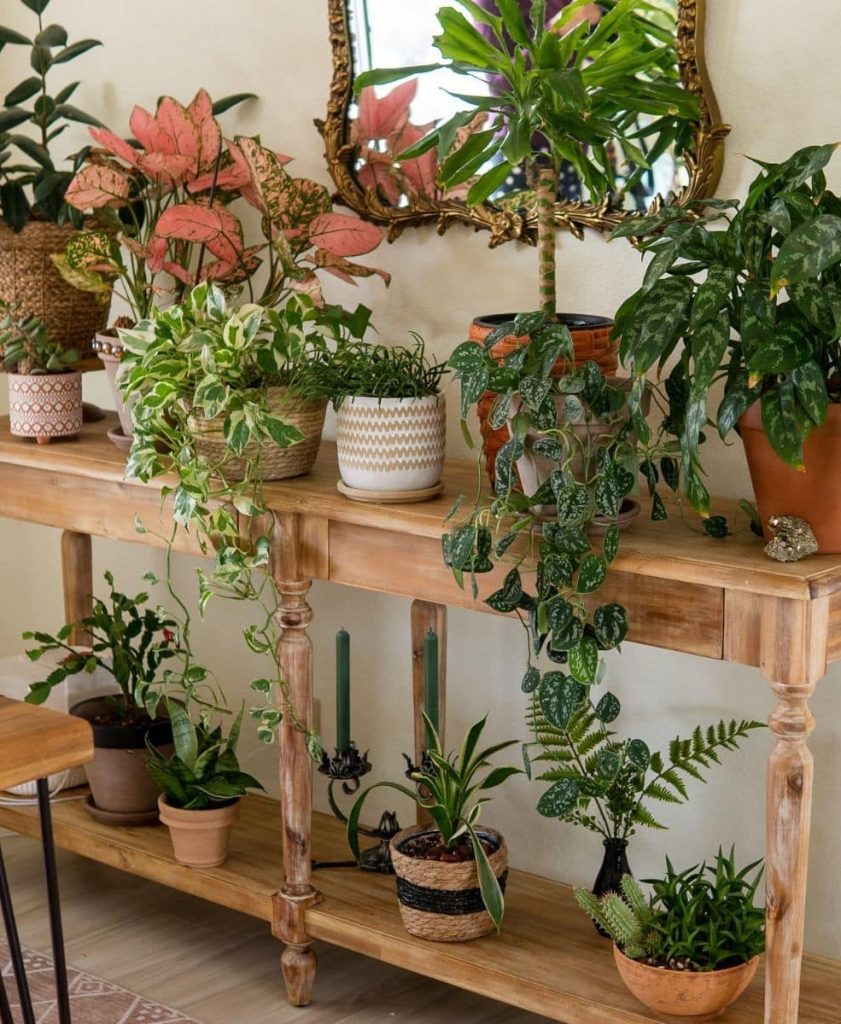
I know everyone wants monsteras or rubber trees first thing—but save yourself heartbreak by practicing with these:
| Plant Name | Why It Rocks | Rookie Mistake Alert |
|---|---|---|
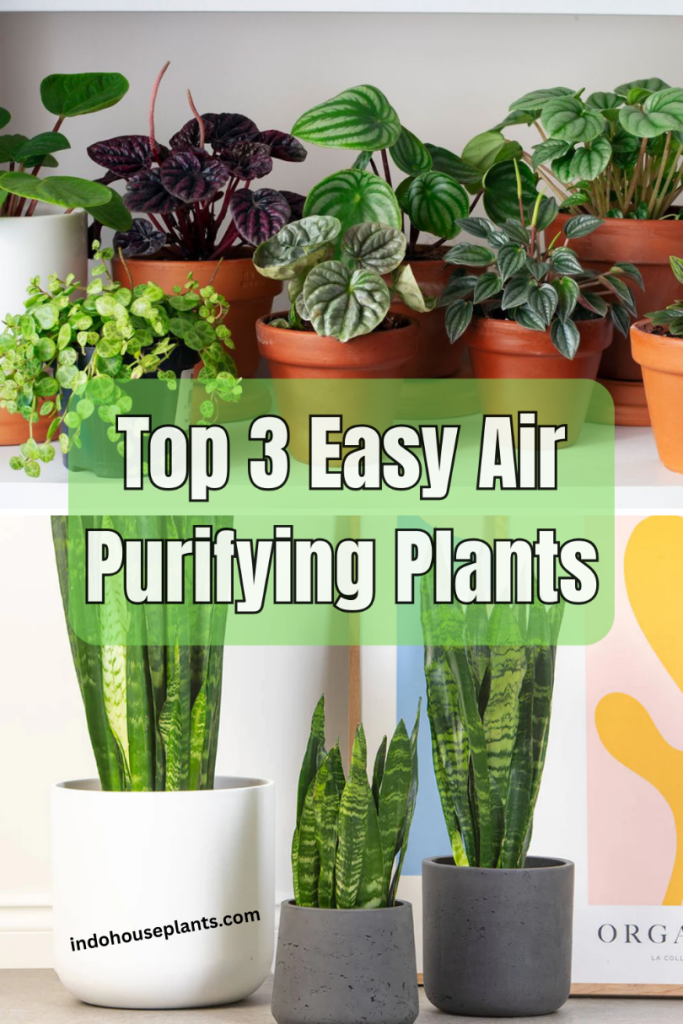
| Snake Plant | Tolerates neglect/low light | Drowns in overwatered soil |
| Golden Pothos | Grows nearly anywhere | Gets leggy if starved of light |
| Spider Plant | Recovers from underwatering | Babies (“pups”) sap parent energy—clip ‘em! |
| ZZ Plant | Will not die unless frozen — really. | Can go months without water |
| Peace Lily | Dramatically wilts when thirsty—easy signal! | Sulks if overwatered |
Confession: My first pothos fell behind the washing machine for three weeks during painting chaos…found her sprouting anyway!
STEP 3: Pick The Right Pots & Soil From Day One
If there’s any rule I wish I’d learned sooner:
If a pot has no drainage hole, treat it as cursed until proven otherwise!
Try this basic soil mix for almost anything except cacti/succulents:
50% regular potting soil + 25% perlite + 25% coconut coir
Lightweight, drains well—even holds less stinky gnat eggs than pure store-bought bag stuff.
(Bought bags that filled five planters for under $20 last spring… still using leftovers.)
Want extras?
Add a handful of horticultural charcoal per batch if you stick plants near kitchens/bathrooms—it helps absorb smells AND keeps soil fresher longer.