Let me bust that myth wide open! Anyone can fill even the dimmest room with thriving greenery, and you don’t need expensive grow lamps or a mystical sixth sense for watering. I love this approach because it’s dead simple—the kind of method pros overthink, but plucky apartment-dwellers like us absolutely nail with straightforward care.
Here’s What Most People Don’t Know:
Nearly every “tough” houseplant isn’t naturally soaking up rays on a sun-drenched cliff—they’re survivors from forest understories and shaded jungles. That’s their superpower! They expect subdued light and neglect. I wish someone had told me that back when I fried my first peace lily trying to be the world’s most attentive waterer—over-loving it straight to plant heaven.
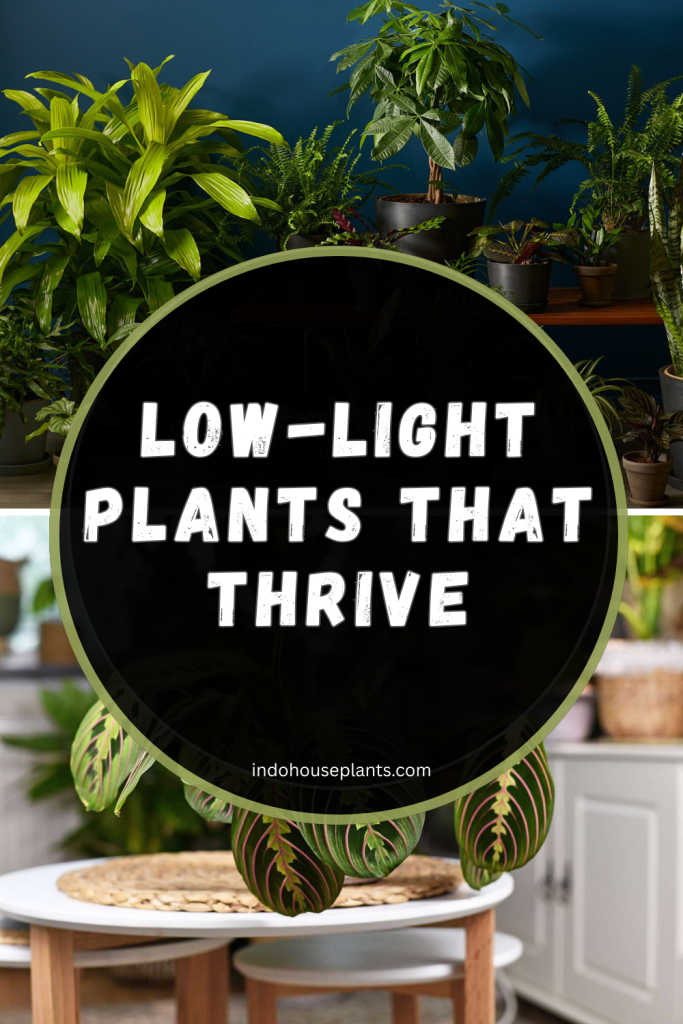
My Personal Shortlist for Low-Light Stars (And Why I Keep Recommending Them)
- Snake Plant (Sansevieria):
My old landlord called these “forgotten soldiers”—they parade on, even in forgotten corners. In my last apartment (which faced a brick wall!), the only light was what trickled in past 3 PM. The snake plant still sprouted new tips twice a year. Bonus: the leaves feel sturdy, almost waxy, which always makes me smile when dusting. - Pothos (Epipremnum aureum):
If you can hang Christmas lights, you can have a lush pothos vine. One friend snipped two cuttings into an old glass jar at her desk, and by month three, had long tendrils wrapping her monitor. Best part? You can propagate new plants from clippings like magic—no money spent! - ZZ Plant:
This one is hilarious: I once left mine under my bed while rearranging furniture and forgot about it for five weeks—it wasn’t even phased. Shiny, dark green leaves and the patience of a saint. - Cast Iron Plant:
If you love dramatic leaf looks with almost zero maintenance, nothing beats this slow-grower. My aunt keeps hers snug behind her piano—no window nearby—and it’s going on year nine. - Peace Lily:
Top marks for beautiful white blossoms in shady rooms! When leaves droop, that’s its way of texting: “Water me, please!” Let them perk back up after a drink—it feels like instant success.
Here’s The Exciting Part: Simple Steps—Not Fussy Science!
I’ve seen experts recommend light meters and elaborate fertilizer schedules—I promise you don’t need any of that fuss. Here’s the laid-back routine I swear by:
- Scout your space naturally:
Before moving anything heavy, just notice where daylight touches during different times of day—even reflected hallway light counts. - Water less than you think:
For low-light plants, once every two or three weeks is usually magic (especially in winter). Stick your finger in the dirt—if it feels dry halfway down your knuckle, go ahead and water. - Resist the urge to overfeed:
Skip fertilizer more often than not—I make a tiny note on my calendar for diluted feed just twice all summer. - Leaf TLC is underrated:
Running a damp cloth gently down those rubbery leaves every month isn’t just therapy—it lets them photosynthesize like little solar panels! - Lazy rotation keeps things pretty:
Give pots a quarter-turn now and then so they reach evenly toward ambient light spots; no software required.
You’ll sometimes hear advice about humidity trays or expensive self-watering pots—you really don’t need them unless your environment is desert-dry or you travel months at a time.
What Actually Happened (& Didn’t Work!)
When I first tried going big—with four types of ferns in shadowy corners—they lost all their fronds within weeks because ferns simply hate dry air and darkness together (hard lesson learned). But snake plant and pothos? Still alive today!
Real Apartment Juggle: Quick Stories
After college, I rented a gloomy garden-level studio where mold loved thriving more than green things did. Determined to prove everyone wrong (“Plants will die there!”), I grabbed a $7 pothos from IKEA—all yellow-green marbled leaves—and set it high on top of my bookcase near the ceiling where stray kitchen daylight snuck past sheer curtains.
Three months later… roots everywhere! The vines started circling wall hooks above my bedframe; my friends joked it was jungle-chic décor.
A neighbor who worked overnight shifts kept his ZZ plant perched near an ancient TV set (mostly collecting Netflix-induced dust)—the plant not only survived but actually developed rich glossy leaves despite perpetual gloom.
Common Pitfalls—and How To Bounce Back Fast
- Droopy leaves? First step is always check soil before panicking; if soggy, hold off watering another week or two.
- Yellowing? Probably too generous with the watering can—let ’em thirst first before refilling.
- No growth for months? Sometimes roots take longer to settle—I waited half a year before seeing fresh buds on one stubborn cast iron plant.
- Brown edges? Try letting tap water sit overnight before using or switch to filtered/distilled—some plants are divas about minerals.
If things really head south… guess what? Total loss is rare unless water sits at their feet week after week! And you haven’t failed—you just learned which species suits your space best.
Skip Perfectionism—One Simple Step Today!
The cheapest path is grabbing one easy-care low-light beauty (snake plant has never failed me), picking whatever corner gets some indirect glow—even just daylight seeping around closed blinds! Water sparingly, snap progress pics as encouragement (“Whoa—that leaf grew!”), set phone reminders if life gets busy.
Don’t stress about Pinterest-perfect arrangements; an imperfect but healthy green buddy brightens up any home far more than angst ever could.
The great news is—you really don’t need complicated hacks or fancy gear to succeed here: just observation skills and patience anyone can cultivate (even in windowless offices).
Give yourself permission to experiment rather than expecting instant indoor Eden…and trust me—seeing those fresh shoots cresting above leaf tips feels incredible every time!
You’ve got this—I’ll be rooting for you (pun very much intended).