Why Mass Planting Crocuses Is Worth Every Shovel Full of Dirt
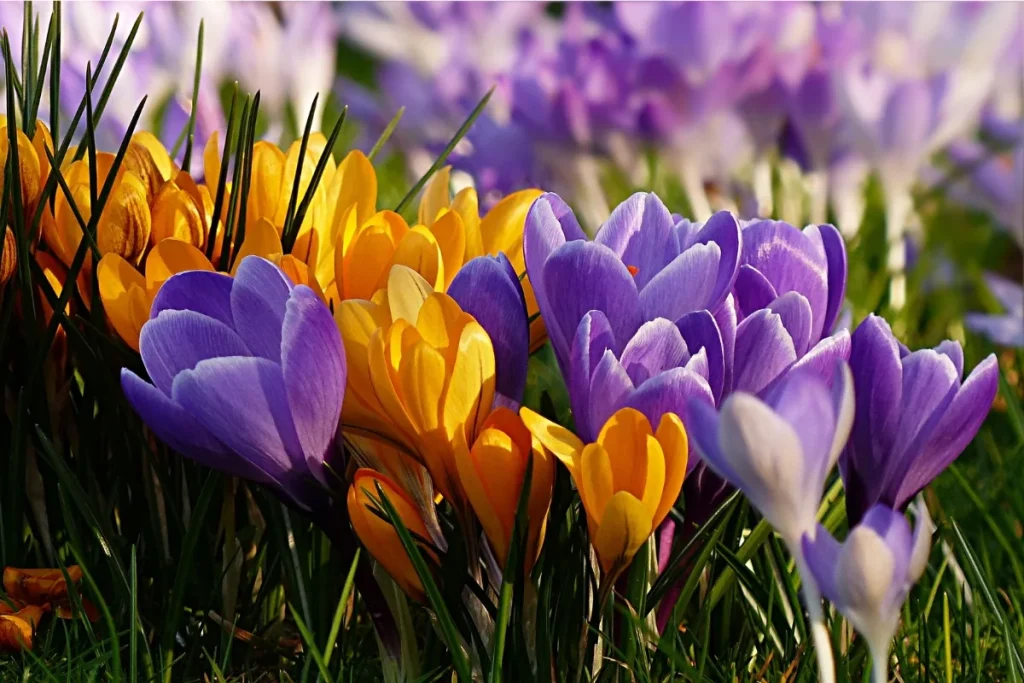
When you plant crocuses en masse, you’re not just adding some flowers—you’re creating a mood. Imagine stepping outside and being greeted by what looks like a hand-painted tapestry of early spring hues. It’s the floral equivalent of a standing ovation.
Single crocus bulbs have charm, sure, but a dense cluster sings a whole new tune. Plus, the sight of hundreds of blooms together is an early feast for bees and other pollinators, kickstarting the garden’s ecosystem for the season.
Timing: More Than Just a Date on the Calendar
Forget just “fall.” I start planting my crocus bulbs when the soil is still warm enough to work easily but the air begins that unmistakable crispness. In my experience, that sweet spot is about 6-8 weeks before the soil freezes solid—often late September or early October where I live.
The bulbs want to root before winter’s freeze locks the ground, but they don’t need to be buried too early; planting too soon can lead to rot or sprouting too early.
Selecting Your Battle Ground (aka the Perfect Spot)
Crocuses are sun lovers, but here’s what most people overlook: they thrive wherever the soil drains quickly—no matter if it’s a front lawn slope, a rocky hillside, or even a raised bed near your porch.
I once planted a batch under a large oak, timing it so they’d burst through just as the tree’s leaves were still thin. The effect was stunning—crocuses seemed to float beneath the early canopy, creating a natural meadow feel that looked effortless but was planned with precision.
If you’re stuck with heavy clay soil, don’t despair. I mix in gritty compost and a handful of coarse sand to break up the density. Raised beds with a sandy-loam mix also work wonders and keep things tidy.
Getting Your Hands Dirty: The Planting Process
Here’s what most guides don’t tell you: mass planting crocus bulbs is part technique, part rhythm. I don’t just blindly space bulbs 2-3 inches apart in rigid rows. Instead, I plant them in informal clusters of tight groups spaced a few inches apart to mimic nature.
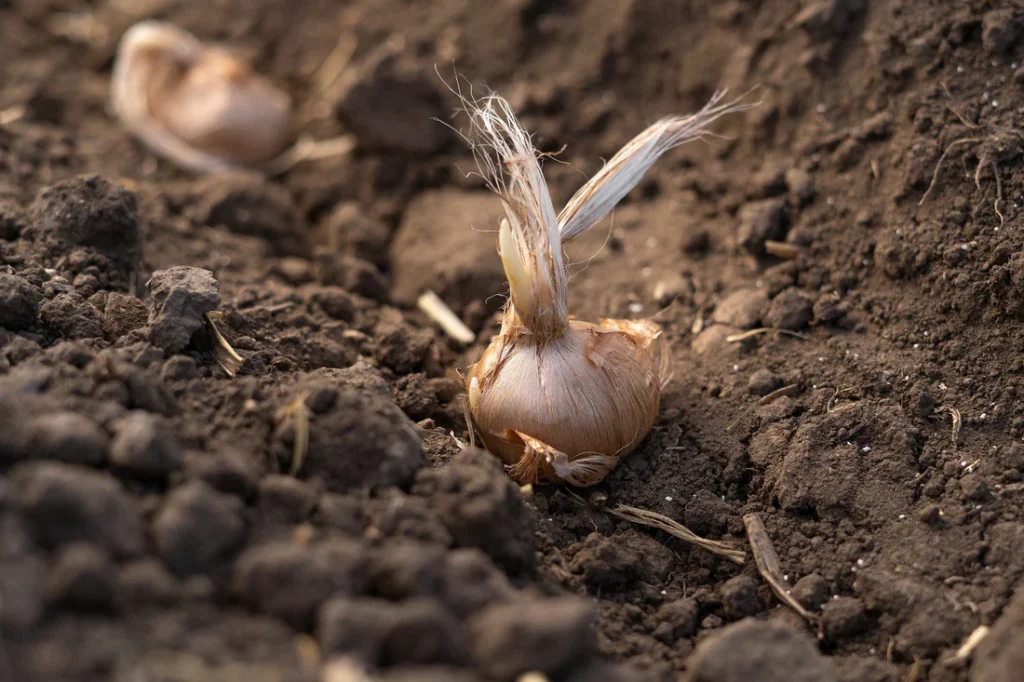
Dig your holes about 3-4 inches deep, but don’t just shove the bulbs into the ground—give them a gentle home. I orient each bulb with the pointy end upward and gently firm the soil around it without compacting too much.
Pro tip: Lining the bottom of your planting area with a thin layer of sharp sand or small gravel can improve drainage and reduce rot risk.
How Many Bulbs? Think Big but Start Smart
One of my favorite “wow” moments came after planting roughly 100 crocus bulbs in a 2-foot by 3-foot patch. By early spring, the patch exploded into a fluffy, colorful cloud that made passersby stop and ask what magical seeds I’d planted.
If you want to scale up, don’t just pile bulbs in rows; envision the space like a painting canvas and plant in clusters and scattered groups to simulate nature’s randomness.
Protecting Your Investment from Hungry Critters
If you’ve ever found your bulbs dug up or disappeared, you’re not alone. Squirrels and chipmunks love crocuses almost as much as we do. I use a simple trick: after planting, I cover the bed with chicken wire held down by stones or landscape pins until shoots start to emerge in spring.
Another safeguard is planting bulbs a bit deeper (up to 4-5 inches). I’ve also heard of mixing in cayenne pepper or sprinkling canine urine nearby as natural deterrents, but chicken wire remains my go-to reliable method.
Keeping Track of Your Colorful Patch
One thing I always do is mark crocus beds with small garden stakes or decorative stones. It saves me from accidentally digging them up for other projects later. Plus, it gives me a visual cue during garden planning seasons that “hey, this spot is precious!”
What to Expect and How to Care for Your Crocus Carpet
Planting is only the first half of the joy. Crocuses typically need just one good watering right after planting. They’re tough little guys and usually hang in there through winter without fuss.
After blooming, let the foliage die back naturally—they’re soaking up sunlight to fuel next year’s blossoms. Resist the urge to mow or cut leaves too soon, a habit that took me years to learn (and a few sparse seasons to suffer through).
Bringing It All Together: Your Next Move
If you’re ready to give your garden the ultimate early spring glow-up, pick up crocus bulbs in bulk. I recommend starting with at least 50-100 bulbs to get that satisfying dense look.
Here’s a little encouragement from someone who’s been there: the first year might feel like a leap of faith, but once those crocuses arrive in full force, you’ll be hooked.
Happy planting—and get ready to be the envy of your neighborhood come spring!