Ask any houseplant enthusiast about snake plants, and you’ll usually hear two things: “Impossible to kill” and, with a sigh, “Mine’s never bloomed.” I’ve seen the same pattern over years of caring for these stoic beauties—people fret, follow elaborate guides, or try to mimic jungle conditions indoors, only to wind up frustrated that theirs stubbornly refuses to flower. Here’s where I have to laugh: With snake plants, the less you fuss, the better your odds.
From my experience, here’s what most people don’t realize—those dazzling flowers aren’t a reward for perfect care; they’re the plant’s emergency exit sign. As in, “Yikes! Things are tight (or dry or just plain tough), time to make seeds.” The real trick isn’t green-thumb wizardry; it’s restraint.
Let me walk you through the actual approach that’s worked for me and loads of other plant folks I’ve known—not as a recipe for guaranteed blooms (no such thing!), but as a way to embrace what makes these plants so reliably unique.
Why You Rarely See Snake Plant Flowers (And That’s Okay)
I learned early on not to take it personally. Back in 2011, when I first caught a faint jasmine scent wafting from behind an overstuffed armchair—voilà! My forgotten Sansevieria had thrown up a lanky stalk overnight. It hadn’t been repotted in ages and must have barely gotten water except for splashes from nearby pothos. That moment taught me something humbling: all my coddling elsewhere hadn’t made one bit of difference.
Here’s what most people don’t know: Snake plants need some stress to bloom because this is how they respond in nature. If you baby yours with frequent watering and keep upgrading its pot every spring? Odds are it’ll just keep making leaves—a win in itself! Blooms are more likely when you almost forget you own it.
Simple Steps: Set It Up & Let Go
Step 1: Embrace Predictable Neglect
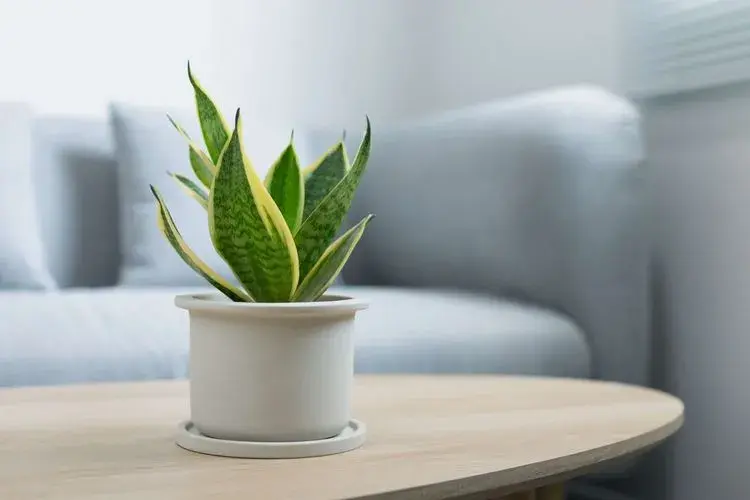
A common mistake I see is over-tending—watering on schedule even if the soil isn’t dry, panicking at crowded roots. Every time I stopped hovering (usually out of laziness or distraction), magic happened.
- Root-Bound = Happy: Let roots do their circling dance inside the same pot for years—I once left one alone for five full years before seeing a flower.
- Water rarely: Forget calendars; use your finger or a bamboo chopstick. If soil feels bone dry all the way down, then give it a deep soak.
- Bathe in Light—but Not Direct Sun: A spot where you can still read comfortably in natural daylight is perfect. Too much sun scorches; too little equals limp leaves and zero blooms.
- Ignore fertilizer most months: Twice a year is plenty—spring and midsummer—and skip completely during darker months.
Step 2: Don’t Fix What Isn’t Broken
The folks who always want to upgrade their snake plant’s home end up missing out. The best blooming stories I’ve heard came from offices where janitors forgot there even was a plant behind those old filing cabinets.
Sidebar: My brother once called me laughing because his “office weed” bloomed after two winters sitting next to the break room toaster oven—the heat probably pushed it right into reproductive mode!
Step 3: Tune Out Perfectionism
Snake plants don’t demand pristine conditions. They thrive on benign neglect—the opposite of what gardening books preach! Next time you feel tempted by fancy peat mixes or six-step fertilizer regimens, remember this: consistent mediocrity beats inconsistent pampering for Sansevieria success.
So What Does Blooming Actually Look Like?
When they decide it’s go-time:
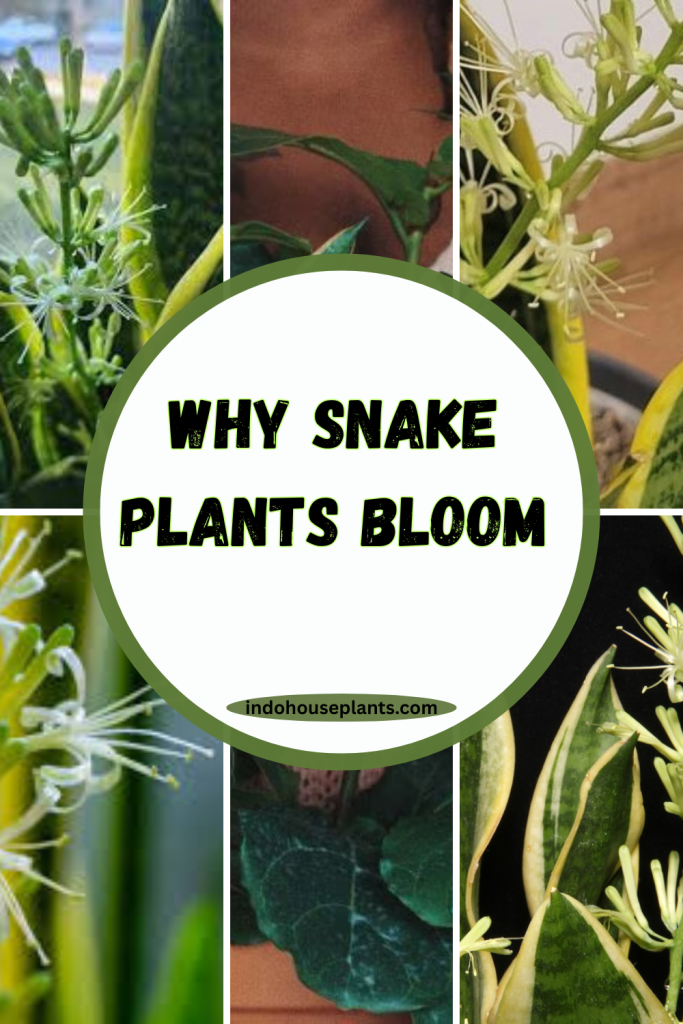
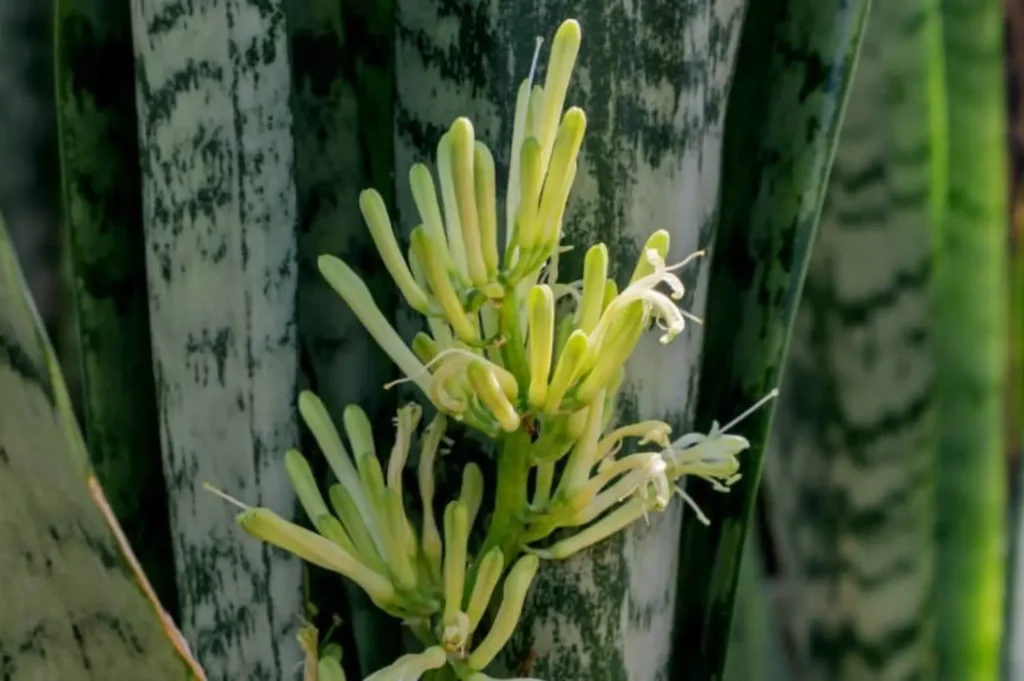
- A single spike shoots up fast—almost like an asparagus spear racing past those sword-like leaves
- Clusters of pale white or greenish tube-shaped blossoms open along the stalk
- By evening, your living room smells intensely sweet… sometimes almost cloying (my daughter once swore it was vanilla cake until we tracked down the culprit)
- Early mornings might reveal sticky droplets on your table—that nectar is perfectly normal
Keep an eye out between late spring and early summer—that’s peak bloom territory indoors if it’s going to happen at all.
Real People, Real Results
Case #1:
Jenna from my building left her snake plant unwatered so long she assumed it was dead until she noticed roots pushing right through its plastic nursery pot. That next month? Full-on floral display visible across her studio apartment!
Case #2:
My favorite local barbershop has had one stuffed into an old coffee can since before COVID hit—the owner only waters whatever looks droopy during haircuts. No fertilizer ever used; yet last April I snapped pictures of its eight-inch-tall ivory bloom waving like a tiny flag behind chair #2.
Case #3:
Contrast that with my own failed attempts when I’d moved one under grow lights with regular feedings—lush leaves galore… but never any flowers in five years solid until I gave up trying so hard.
What worked? Root crowding + bright window + neglect = possible blooms over time. Nothing fancy required!
Troubleshooting Without Tears
If nothing happens after years of trying…you’re doing fine! Snake plants aren’t meant to be marathon bloomers inside homes—think of each flower as winning lottery odds rather than proof of skill.
- Brown tips? Usually too much direct sun or inconsistent watering cycles—not fatal by any means (I trim mine back with kitchen scissors).
- Leaves yellowing? Ease off water and check if roots are swimming—you want dry spells between dunks.
- Growth stalled? Shift closer to true daylight but not hot sunbeams; fluorescent bulbs work in cloudy climates if needed.
Above all else: celebrate healthy leaves first and let blooming be extra credit—not your measure of success.
The Uncomplicated Takeaway
If there’s one lesson seasoned by dozens of snake plant encounters—it’s that less meddling really is more here:
- Resist repotting unless roots crack open the container
- Water sparingly—only when dry down deep
- Give brightest soft light you can manage without frying those leaves
- Fertilize lightly at most—and not at all much of the year
- Step back and let time do its work
Odd advice coming from someone who loves doting on greenery—but Sansevierias thrive precisely where our impulse is not to intervene so much.
Let yourself enjoy their upright drama no matter what—as someone who has waited literal decades (with only occasional rewards), trust me: their everyday resilience brings far more satisfaction than chasing rare blooms ever could!
Got weird spots popping up? Unsure what that new growth means? Don’t sweat it—and always feel free to swap war stories with fellow plant keepers along the way. Every patchy leaf has a tale worth sharing…and often that’s where true gardening wisdom hides.