Working with bower vines to craft living, breathing garden art has been one of my favorite ways to connect with nature—and honestly, it’s far less intimidating than it sounds. What most people don’t realize is that these vines are incredibly forgiving. They don’t demand precision or perfect technique; instead, they invite you to slow down, experiment, and enjoy the organic process of coaxing nature into charming shapes.
When I first started, I was nervous about breaking stems or ending up with a messy tangle, but the vine’s flexibility quickly taught me patience and creativity.
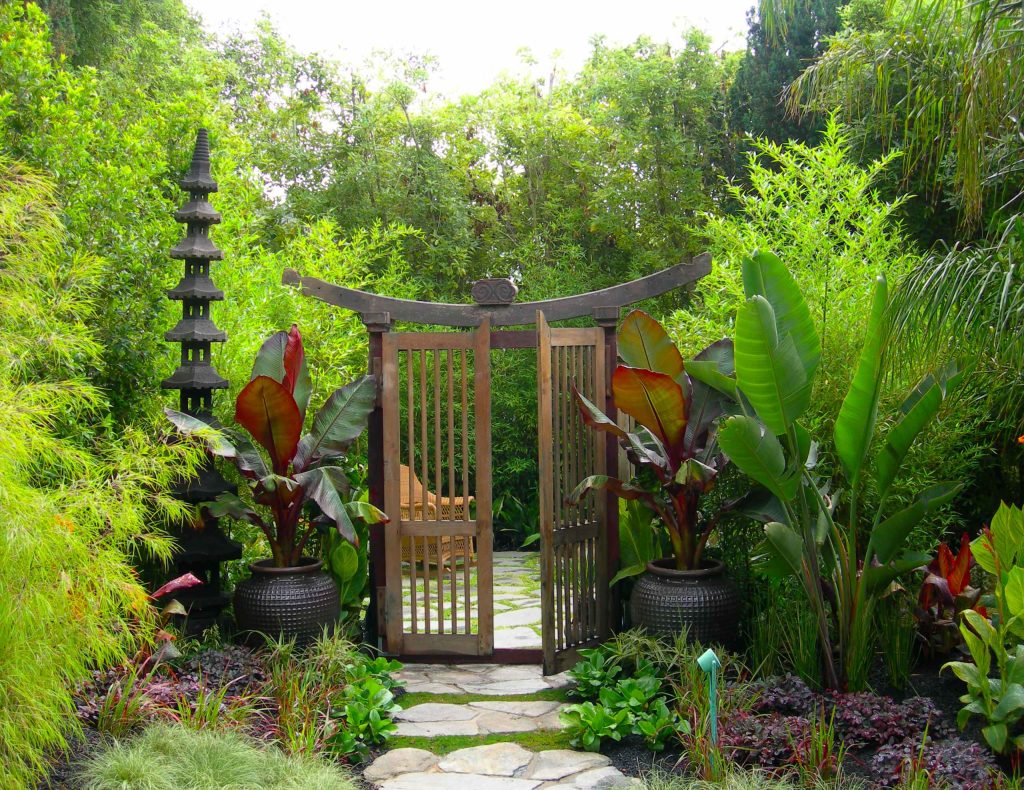
Here’s a little secret from my own garden: rather than trying to make the arrangement perfect right away, let the vine’s natural tendencies guide you. I once wove a bower vine around a rustic old metal archway that had been sitting unused for years. Instead of uniform weaving, I let the shoots spiral in playful loops and even cross each other at odd angles.
The result was an unexpected dance of greenery that brought a whimsical vibe to my backyard entrance—friends often stop to comment on how “alive” and inviting it feels.
My Favorite Approach to Bower Vine Arrangements
1. Pick a Frame That Inspires You—Not Just What’s Practical
Sure, sturdy is important. But I’ve learned that the frame you choose (or make) sets the mood. Metal arches give a classic feel, while something like weathered driftwood or reclaimed wooden ladders adds rustic charm.
One year, I repurposed an old bike wheel as a circular frame and trained the vines around its spokes—it became my garden’s signature eye-catcher.
2. Start Young, but Embrace Every Twist
I always start with spring’s teeny fresh shoots. They’re far easier to bend and weave. Instead of forcing them to go only where I want, I observe how each shoot naturally curves and build around that, adjusting the design organically.
When a shoot bends unexpectedly, I pause and find a way to incorporate that curve into the bigger picture—it’s like the plant is co-creating the design with me.
3. Train with Gentle Encouragement
I’m a big fan of using soft cotton twine or even old fabric strips to tie vines temporarily without bruising them. Sometimes I simply tuck a stem under a neighboring branch or between frame bars and let nature hold it in place until the vine thickens.
This hands-off technique respects the vine’s growth rhythm and results in sturdier, natural-looking arrangements.
4. Make Maintenance a Moment of Zen
Twice a month, I take moments to wander past my bower vine projects, trimming away any rogue growth and tightening loose sections. Over the years, this “mini garden ritual” has become a calming practice—a chance to reflect on growth, not just in the garden but in life.
Plus, those little trims encourage fuller, healthier foliage.
5. Amp Up the Magic with Personal Touches
If you want to add a bit of flair, think beyond the usual fairy lights. I once hung small glass terrariums with air plants nestled inside along my vine-wrapped arch—at dusk, the soft candlelight inside them transformed the space into a secret garden vibe that felt downright magical.
You can also weave in lightweight wooden beads or ribbons for color and texture.
Real Stories That Might Spark Ideas
My Garden Gate Arch
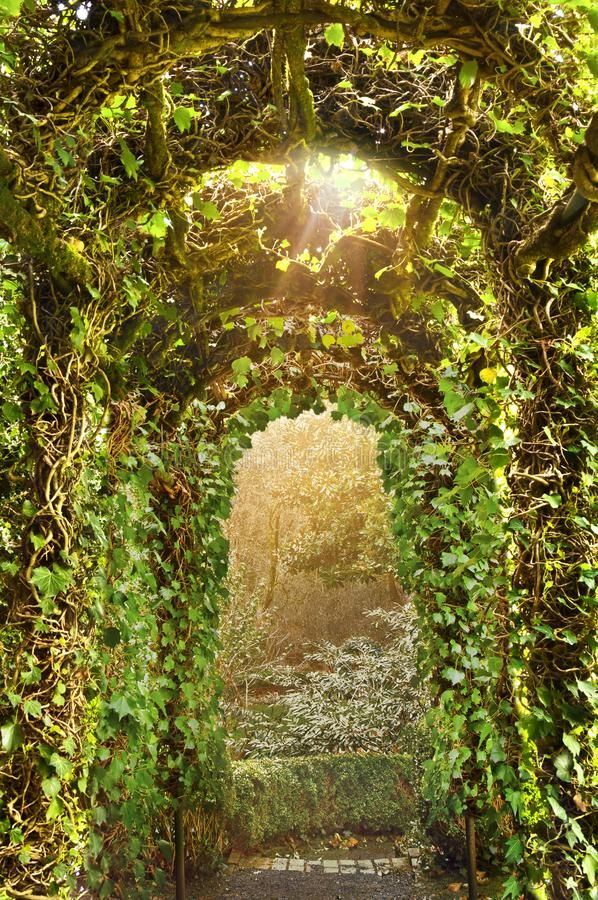
Over two summers, the bower vine grew from a handful of thin tendrils into a lush, twisting canopy that offered a cool refuge on hot days. Neighbors started asking when the “vine tunnel” would be ready for a photo op—turns out, it became a local favorite.
Privacy Screen That Surprised Me
I installed a trellis to block the view from my neighbors’ balcony but honestly, I didn’t expect the bower vine to thicken so quickly. By the second year, I had a dense, fragrant screen that felt like my own secret sanctuary.
Pro tip: Planting low-growing herbs like mint at the base added a lovely scent whenever I brushed the leaves.
Whimsical Garden Sculpture
I had an old metal heart-shaped frame, and rather than traditional rose vines, I trained the bower vine around it. The interplay of the heart’s rigid lines with the vine’s organic chaos was a beautiful contrast that delighted everyone who saw it.
When Things Go Sideways (And What I Learned)
- Broken stems? Don’t sweat it. I once lost half a vine in a weekend windstorm. Instead of replanting immediately, I observed where new shoots emerged nearby and focused on training those. Younger shoots always bounce back. Patience is your best friend here.
- Slow growth frustration? It helped me to adjust the soil and move the pot to a sunnier spot. Bower vines are happy sun lovers but hate soggy feet. Adding compost really boosted mine.
- Vines refusing to climb? I gave mine a gentle nudge by loosely tying the stems at multiple spots, but I also befriended gravity—sometimes, letting the vine trail down freely before gently lifting and weaving it around the frame works wonders.
Why I Keep Coming Back to Bower Vine Arrangements
It’s less about the destination and more the journey of creativity and connection. Seeing a bare frame transform gradually into a vibrant, natural sculpture reminds me of the joy in nurturing something alive.
Plus, no two seasons look exactly the same—each year brings new twists, fresh leaves, and a different story.
If you’re thinking of starting your own, here’s a personal challenge: don’t aim for perfection. Aim to discover how the vine wants to grow with you. That’s where the magic lives.
What to Do Today to Get Started
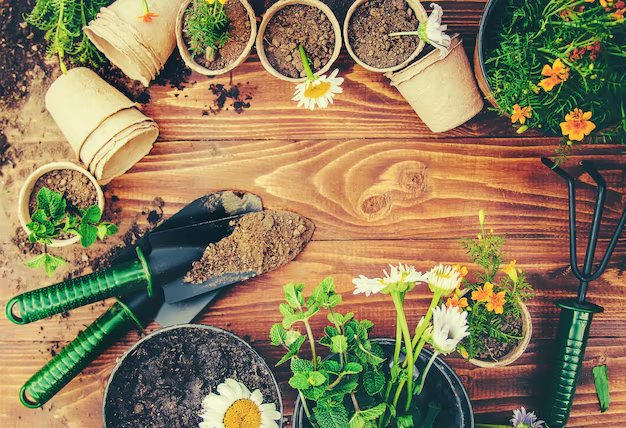
- Dig around your garden for something inspiring—a forgotten gate, a scrappy old chair, a pile of sticks—and imagine it wrapped in green.
- Find the youngest bower vine shoots emerging this season (or grab a small plant from a nursery). Young, flexible stems are much easier to shape.
- Gently weave or loosely tie those shoots to the frame, embracing whatever curves or twists the vine offers.
- Set a calendar alert to check in every couple of weeks—not to stress, but to enjoy watching your green creation unfold.
- Celebrate every little new leaf and tendril as a sign you’re growing more than a vine—you’re growing patience, creativity, and a living piece of art.
Bower vines don’t just grow on frames—they grow with you. Give it a try, and soon your garden will be whispering stories through those twisting green arms.