So you typed in “snake plant near me,” but, honestly, let’s get real—finding the right one isn’t just about grabbing the first pot you spot at Home Depot. I’ve made all the rookie mistakes here, and trust me, some of those sad little plants under hardware store lighting have seen better days (if they’ve even seen sunlight at all).
Let me spare you at least a couple headaches—and possibly a few soggy pots.
Where People Usually Start (And Why That’s Not Always Ideal)
Most folks (me included, on my first go) figure big-box stores will be quick, easy, and cheap. I once dashed into Lowe’s, grabbed what looked like the least wilted snake plant, and called it good. Fast forward five months: mushy roots, funky fungus smell—I was not proud of myself when I tipped that one into the compost.
If you just need any green thing on your windowsill ASAP? Sure, you can roll the dice at Home Depot or Walmart. But if you want something healthy that lasts and actually looks good? There are better places to look—and some are weirdly close to home.
Where Local Snake Plant Gold Really Hides
1. Farmer’s Markets
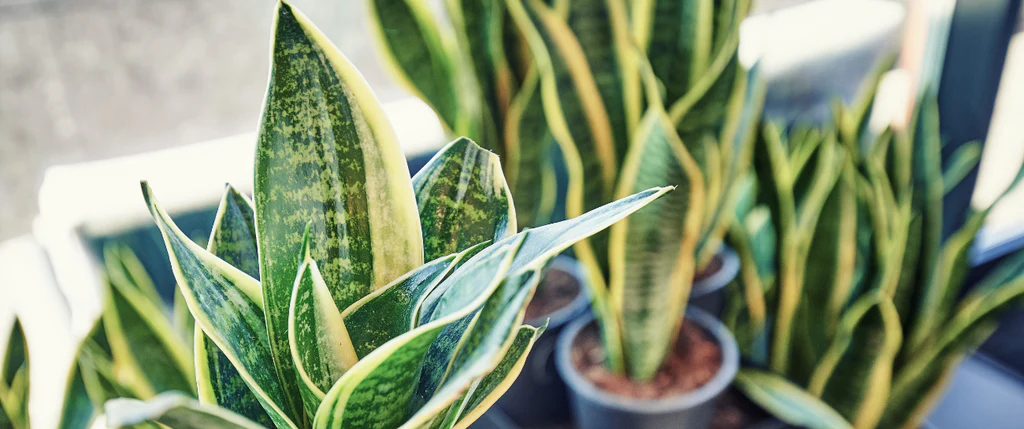
My favorite snake plant ever came from a Saturday farmer’s market (drawn in by an older lady who clearly cared more about her plants than profit). She gave me detailed watering instructions—“Ignore it unless it literally sighs”—and let me poke around to check for perky leaves. Prices were lower than most garden centers too ($12 for a generous clump).
2. Local Neighbors & Community Swaps
This is wildly underrated. Last fall I got bold and posted: “Anyone got extra snake plant cuttings?” on Nextdoor and my local Buy Nothing group. Result: three offers within a weekend—including one guy who insisted on bringing over an entire pot because his wife had gone “Sansevieria-happy.” I paid in coffee and plant gossip.
A slightly awkward moment: I once met up with someone in a grocery store parking lot just as it started raining, both of us clutching muddy pots in reusable bags. We laughed the whole time—so worth it for a free plant.
Pro tip: If meeting up feels intimidating, suggest someplace public (like your coffee shop front patio). Most people are relieved when you do!
3. Small Garden Centers & Weird-Looking Nurseries
Skip the pristine big-box-style garden chains and check out those family-run places that look borderline abandoned from outside—you know the ones: peeling paint signs but a jungle lurking behind. Last spring, I found huge, beautifully pampered snake plants for $18 at a spot down the road—while Home Depot shouted “low prices!” but wanted $25 for limp leaves jammed together like produce rejects.
I admitted to not knowing what “root rot” really meant; the woman working handed me a trowel and said “Go on—pop it out and look!” Her advice stuck with me way longer than anything printed on those shiny care tags.
How To Quickly Find A Healthy Snake Plant Near You
Forget scrolling ten online stores deep or hunting through Google Maps reviews all night. Here’s how to get started fast:
- Text two friends who own houseplants:
(“Hey! Any chance you’ve got extra snake plant cuttings or suggestions where to find one nearby?”) - Check Facebook Marketplace & Nextdoor:
Type “snake plant” plus your town or ZIP code. - Call your local nurseries/garden centers:
Save yourself a drive—ask if they have Sansevieria (the fancy name). - Farmers’ markets? Check their vendor list online:
Or just show up early on Saturday—a lot of places post photos of their booths now. - Still nothing? OK…head to the big-box store—but inspect:
- Leaves feel upright/thick? Good.
- Soil slightly dry to touch? Great.
- Smells musty or roots brown/mushy? Move along!
If all else fails: fall back on patient mode and ask around at work or school—you’d be shocked how many people have extra cuttings rooting in forgotten jars.
What Actually Counts As “Healthy” With Snake Plants?
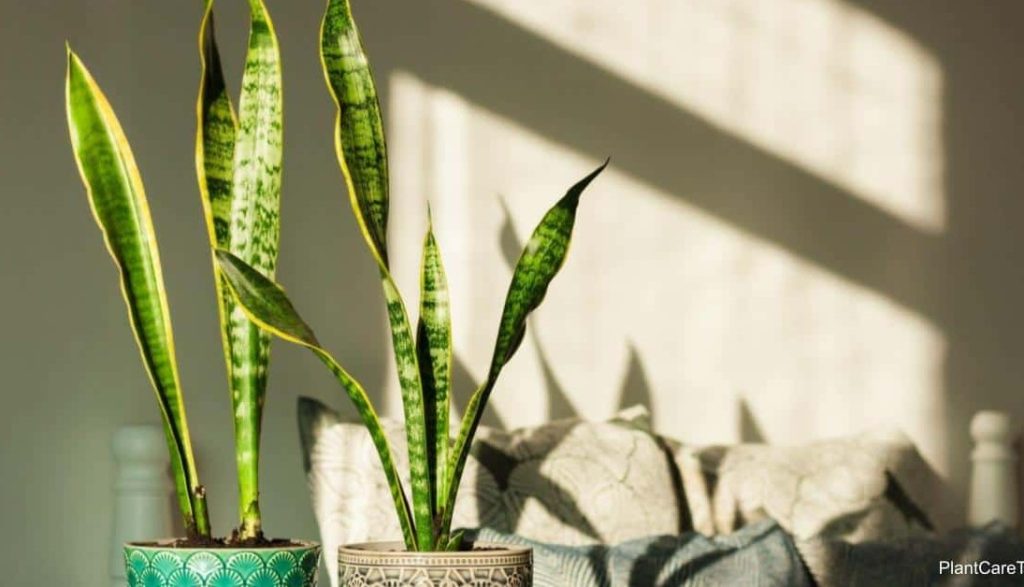
Some quick things to look for (no botanist degree required):
- Leaves stand tallish—not drooping like limp celery
- Edges are free from mushy spots or brown bands
- Roots are firm/white (if you can peek), not sludge-like
- The soil should smell earthy—not swampy
Funny thing is: these plants forgive almost everything except sitting in wet soil—or being ordered sight-unseen online (ask me about that time I got two shriveled leaves taped inside a cereal box from an Etsy seller).
Final Cheat Sheet: Your Fastest Route To A Great Snake Plant
- Ask around locally—neighbors/online swaps win for free options & good stories.
- Scour small garden shops/nurseries BEFORE chains
- If possible, see/touch before buying—a floppy leaf today is tomorrow’s compost victim
- Don’t panic if it takes a week! The right plant is worth waiting another day.
P.S.—Snake plants thrive on neglect; if there was ever a houseplant designed to make new owners feel competent fast, this is it!
If you end up with more questions, or just enjoy trading plant fails and wins—I’m always keen to swap stories (or cuttings!). And after your hunt? Send a quick thank-you note/photo back—it seriously brightens people’s day when they see their ex-plants thriving somewhere new.
Happy hunting! May your next snake plant live long…and multiply faster than socks disappear in dryers.