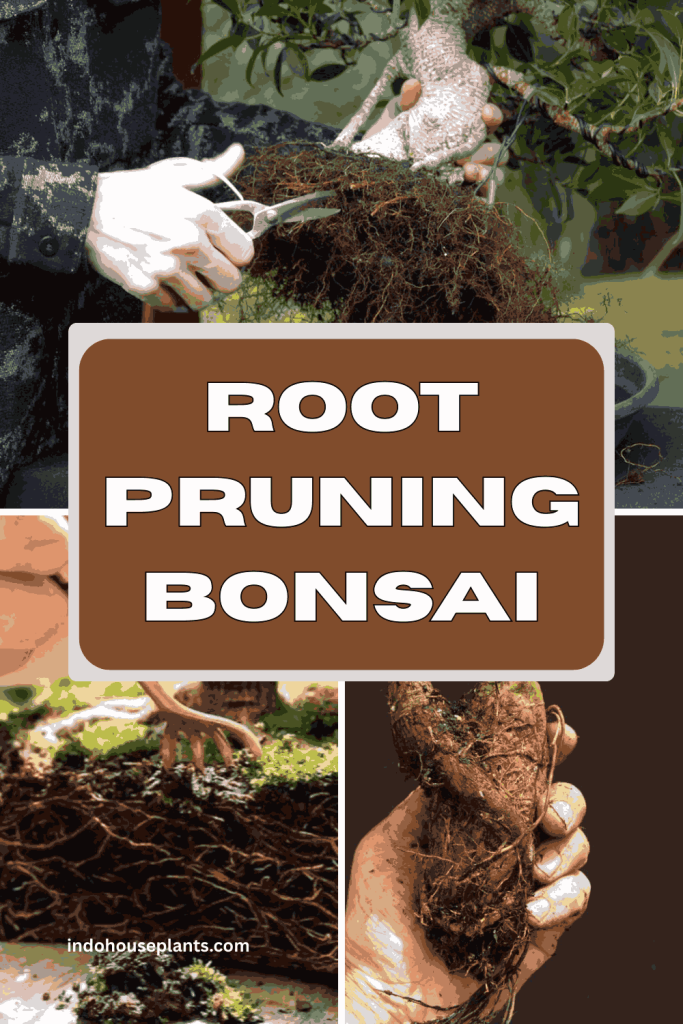
Root pruning bonsai is a bit like giving an old pair of shoes a new sole—sometimes the exterior looks fine, but underneath, things have gotten tight, tired, and ready for a refresh. When I first started working on my ficus bonsai, I was honestly terrified to trim those roots. They looked like the veins of the whole tree, and I felt like one wrong snip could ruin months or years of care. Over time, I learned that root pruning doesn’t just keep the tree alive—it ignites a whole underground renaissance that transforms its energy and vitality.
Here’s what I’ve discovered that most people don’t realize: it’s the fine roots, those tiny, almost invisible feeder roots that actually do the heavy lifting, absorbing water and nutrients. The big, thick roots? They’re more like structural beams. If those beams bulk up without pruning, they can choke out the feeder roots, and your bonsai starts to suffer from invisible starvation even though it’s planted in fresh soil.
Why Root Pruning Is a Game-Changer
Many beginners treat root pruning as a painful last resort, but for me, it’s more like a strategic reset button for bonsai health. When you remove the crunchy, aged roots, you give the tree the signal to grow anew where it counts.
Here’s a little insider secret: this process actually helps synchronize your bonsai’s underground and above-ground systems. When roots and foliage get out of sync—say, a canopy too lush for a stunted root mass—that’s when stress and leaf drop sneak in.
For example: my 5-year-old ficus had a beautiful, leafy top but started dropping leaves every summer. After a careful root prune where I cut away about a third of its root mass, focusing on the large, woody roots, it bounced back with more energy than before. The leaves grew greener, fuller, and the bonsai looked visibly happier. It was like the whole tree exhaled.
When to Dive into Root Pruning
Timing your root pruning is as much about reading your tree as it is calendar. Early spring is the classic advice—and for good reason. Your bonsai’s energy is naturally gearing up for active growth, so new roots sprout faster and healing accelerates. But for tropical varieties like ficus or jade, which grow more steadily year-round, you have a bit more flexibility.
What I watch for is the subtle sign of distress long before leaves wilt—roots circling the pot’s edge like a tightly wound ball, compacted soil that repels water, or slower growth than usual. When this happens, I know it’s time to carefully pull the bonsai out for a look and prune if necessary.
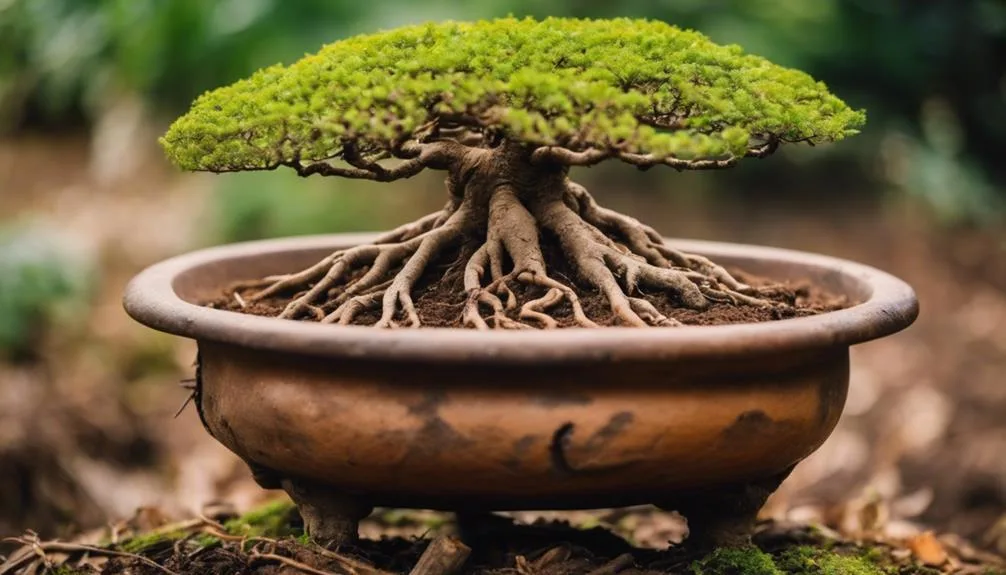
The How-To: A More Personal Approach to Root Pruning
- Set Your Mind and Space
I like to do this on a calm day with no rush, somewhere comfortable where I can sit and focus. My tools: a pair of small, sharp concave cutters (these make smooth cuts that heal quickly) and a soft brush to gently remove soil. - Free Your Tree
Gently coax your bonsai out of its pot by loosening soil around the edges. It helps to run a chopstick or thin tool gently around the inside rim first. This step is where patience really pays off—you want to avoid tearing roots. - Expose the Root System Slowly
Using my fingers and the brush, I carefully remove soil from the roots without pulling on them aggressively. This is where you really get to understand your bonsai’s health. - Inspect and Decide
I start by identifying thick roots that have lost their youthful white hue—these can be safely shortened. Any dark, soft roots are disease candidates and must go. I leave the delicate white feeder roots mostly intact since they’re the lifeline. - Trim, Don’t Maim
You don’t want to cut too much. Roughly one-third is a good rule of thumb. For instance, with my juniper, I cut sparingly, preferring to prune roots larger than 3mm thick, letting the finer roots remain to regrow quickly. - Shape and Prepare
After pruning, I just tidy the root mass so it evenly fits back in the pot. This step is part art, part science—shape enough for comfort but avoid over-compacting. - Back Into Fresh Soil
Fresh bonsai soil is crucial here. I add a layer at the bottom, position the tree with roots spread evenly, then fill and compress gently, finishing with a thorough watering. This helps eliminate air pockets, which can dry roots out fast. - Post-Prune TLC
After root pruning, my bonsai goes into a shaded corner with high humidity for at least two weeks. I avoid fertilizing immediately to prevent overloading stressed roots. This quiet recovery time is where the healing magic happens.
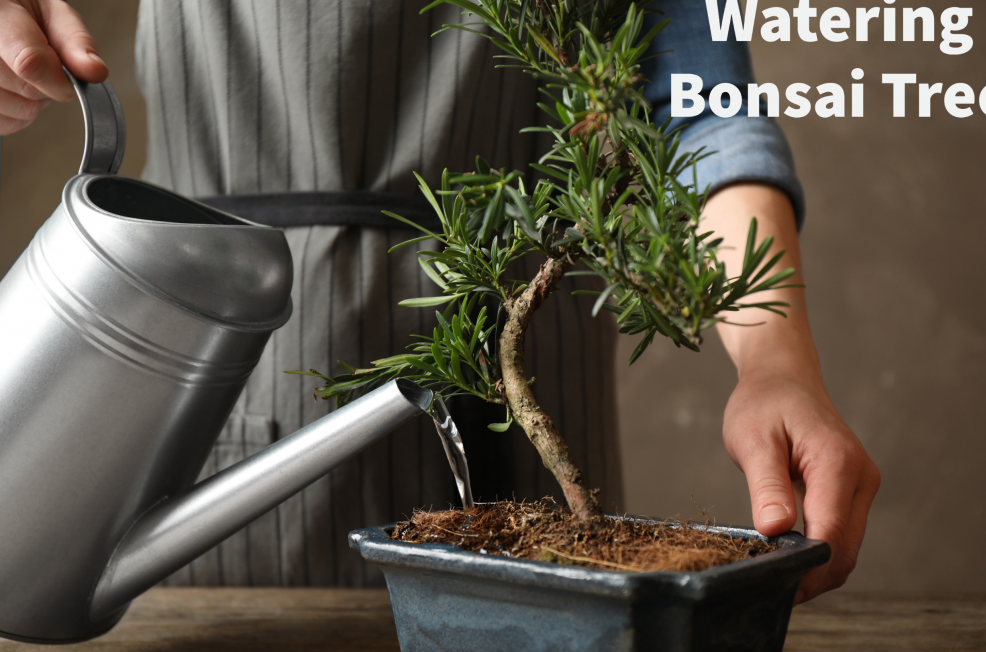
A Few Stories From My Bonsai Shelf
- When I repotted a 3-year-old ficus, cutting back those thick roots transformed it. In just a month, its leaves were lush and a deeper green, and new feeder roots were popping up beneath the surface.
- I’ve learned with junipers that overdoing root pruning too often causes stress. Every 2-3 years feels like the sweet spot. I stick to that rhythm, pairing root prunes with simultaneous foliage trimming to keep balance.
- My Japanese maple was finicky at first, but once I started timing root pruning just before spring, it started showing noticeably more vigorous branch growth.
Common Stumbling Blocks—and What Actually Works
- The Fear Factor — It’s normal to hesitate before chopping roots. I recommend starting small: prune a few roots one repotting cycle, then gradually increase as confidence grows.
- What to Cut? — If in doubt, cut thick roots rather than fine ones. The fine feeder roots regenerate quickly; the thick roots are where pruning counts.
- Handling Stress — After pruning, don’t force the tree into sun, drought, or fertilizer overload. Think of it like nursing an athlete after an intense workout; gentle care yields better recovery.
- Blunt Tools Beware — My worst mistakes came with dull scissors that crushed roots instead of cutting cleanly, causing slow healing and infections. Sharp, bonsai-specific cutters are a game-changer. Using the right soil mix is also critical for recovery; a well-draining mix like one from Bonsai Jack can make a significant difference.
Your Bonsai’s Next Chapter
Root pruning becomes less about a chore and more of a dialogue the more you do it. Each cut teaches you about your bonsai’s needs and resilience. After all, bonsai care is as much about patience and observation as skill. With time, it’s like developing a sixth sense for what your tree wants underground before you even see it above ground.
Ready to try? Mark your calendar for early spring, stock up on sharp tools and fresh soil, and make space to slow down and enjoy the process. That first root prune is a milestone—a moment of trust between you and your bonsai that sets the stage for years of continued beauty and growth. You’ll be amazed at how much more alive and vibrant your bonsai will feel after its roots get a little loving trim.