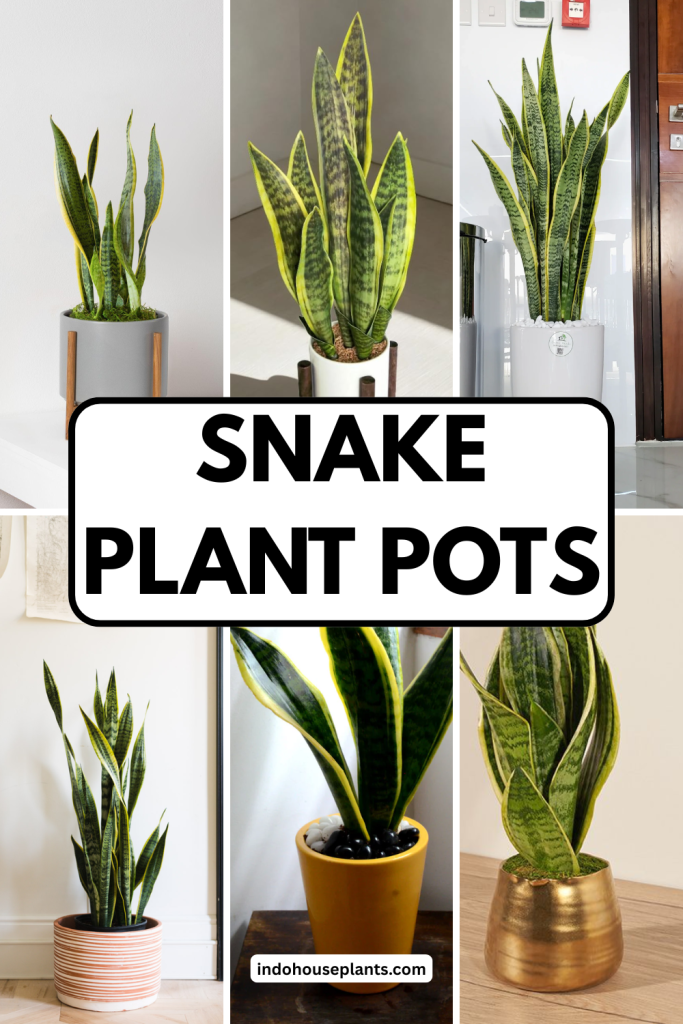
Let’s skip the fluff: most of the advice on snake plant pots out there is so watered-down it could drown a cactus. Everywhere you look, people recite the same lines about “drainage holes” and “well-draining soil,” as if that alone keeps plants alive. And sure, that’s plant-care 101—but here’s what most guides ignore (and where most people mess up): It’s not just the pot—it’s how you use it, your habits, and often sheer trial-and-error that keeps your snake plant kicking for years.
What No One Tells You About Snake Plant Pots
Drainage Holes Are NOT a Guarantee
Yes, pots need drainage holes. But here’s the inconvenient truth: I’ve watched new plant owners drill three extra holes in their pots and still end up with soggy soil because they use clumpy store-brand dirt or water on autopilot every Saturday. The drainage hole is just stage one. The real solution? Test your setup:
- Pour in water—if it dribbles out instantly, you’re good; if it lingers for more than a minute before draining, you’ve got a problem.
- Don’t trust pre-mixed soils with “moisture control” on the label—for snake plants, those are traps.
Back in 2018, I repotted three sansevierias using the highly-rated “all-purpose houseplant blend.” Six months later, two were mushy at the base. Lesson learned: Only use cactus/succulent mix plus an extra handful of perlite.
Terra Cotta Is Overrated—But Not For The Reason You Think
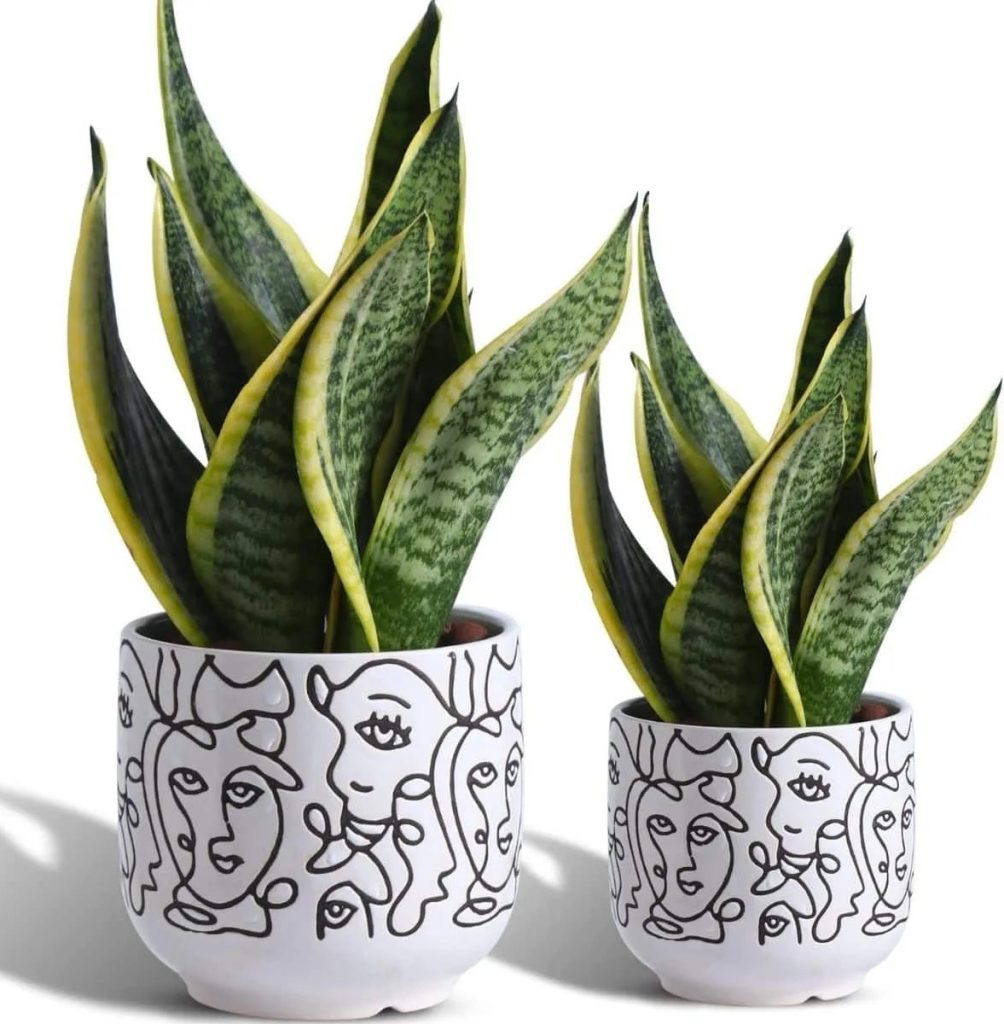
Everyone swoons over terra cotta because it “breathes.” Here’s what matters more: Your watering habits. If you water only when bone-dry (as you should), even plastic pots won’t hurt your snake plant. But if you can’t resist watering every few days, then yes—terra cotta gives you wiggle room.
Once I kept a snake plant alive for over five years in nothing but an ugly black dollar-store plastic nursery pot—WHY? Because I was traveling for work and barely home to kill it with kindness.
If style matters to you (it does to me), nest don’t stress: Keep your snake in an ugly pot with perfect drainage, then hide that inside whatever decorative sleeve catches your eye. Just don’t forget to empty any water that collects at the bottom.
Size Obsession Is Hurting Your Plants
Here’s a big contrarian point: Most people repot into containers far too big—the classic “room-to-grow” myth. Nope. Snake plants want their roots snug; otherwise that mass of wet soil throws off their whole ecosystem. To put numbers on it:
- Pot should be 1″ (max 2″) wider than root ball.
- When in doubt? Stay small—truly.
I remember upsizing directly from 4-inch to massive 12-inch—the edges stayed sodden while my new $19 plant collapsed from rot within weeks. Had to smuggle another cutting from my friend as a recovery mission.
What Actually Works (And What Doesn’t)
Let me walk you through three real-life scenarios I’ve seen firsthand—not hypothetical nonsense:
1) The “Moisture Meter Miracle”
Tired of guessing if roots were wet halfway down, I finally spent $12 on a basic moisture meter (long stick kind). Game-changer! Now I only water when the needle sinks all the way left (dry). This cheap tool put all old-fashioned finger tests and endless second-guessing to shame. If you refuse gadgets—that’s fine! Just tip your pot sideways sometimes and see if it feels lighter than air before watering again.
2) $3 Hardware Store Fix
Couldn’t find ANY decorative planters with holes at my local garden center—and who wants another tacky orange clay pot lining their windowsill? So I bought boring unglazed clay saucers ($1 each), stuck felt pads underneath, and made them work under any container as drip trays instead of wasting money shopping for Insta-style options.
3) Root Bound? Don’t Rush To Repot
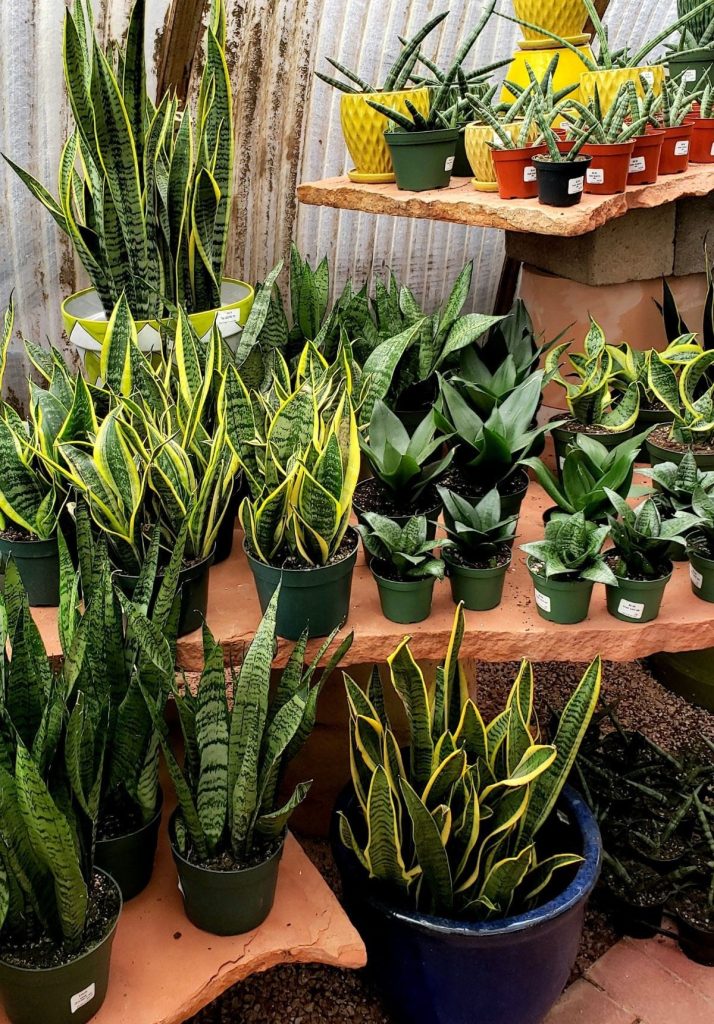
A lot of advice pushes people to replant at the first sign of crowding roots—but I’ve noticed snake plants get their brightest streaks of yellow when slightly root-bound (something about stress signals these beauties). Instead of repotting annually like clockwork, stick with every other year unless roots are bursting out the bottom or growth tanks.
Real Talk Troubleshooting
Here’s how things usually go wrong—and why nobody emphasizes this enough:
Pot Looks Perfect But Plant Still Fails:
It’s probably airflow—a muggy shelf corner or that humid bathroom windowsill will rot any roots no matter how perfect your drainage game is. Keep snake plants somewhere breezy—they genuinely do better in draftier rooms.
Soil Stays Damp Forever:
Time-wise metric: If soil isn’t dry ALL THE WAY THROUGH after four days post-watering? Dump half and remix with perlite or coarse sand until draining feels almost too fast.
No Hole And Can’t Drill?
Been there—in rentals where drilling risks breaking expensive tile floors or ceramic counters. Solution: Use ultra-thin nursery pots as liners inside anything—including glass! Just pretend it’s hydroponics—lift inner liner out for watering/drying cycles instead of risking disaster inside fancy containers.
Summary: Skip Conventional Wisdom—Do These Instead
- Never pick by looks alone; always test actual drainage rate.
- Ignore ‘go bigger’ prompts; size up one inch max per cycle.
- If sticking with plastic or ceramic, master delayed/gravity watering.
- Invest $10–$15 on basics: perlite bag + reliable moisture meter = fewer dead plants.
- Pay attention to environment first—low air flow beats even great pots every time.
Snake plants survive wild neglect but hate coddling—they’re basically Clint Eastwood among houseplants: give them tough love and minimal fuss for best results.
Bottom line? Fancy supplies are optional; tweaking your habits is not. Choose practicality over Pinterest ideas—and don’t sweat mistakes along the way…every flop teaches faster than success ever will!
You want bulletproof confidence? Stop following fussy one-size-fits-all lists and start tailoring setups based on where YOUR plant lives right now. That mindset shift will keep not just your snake plant alive—but thriving year after year…no green thumb required!