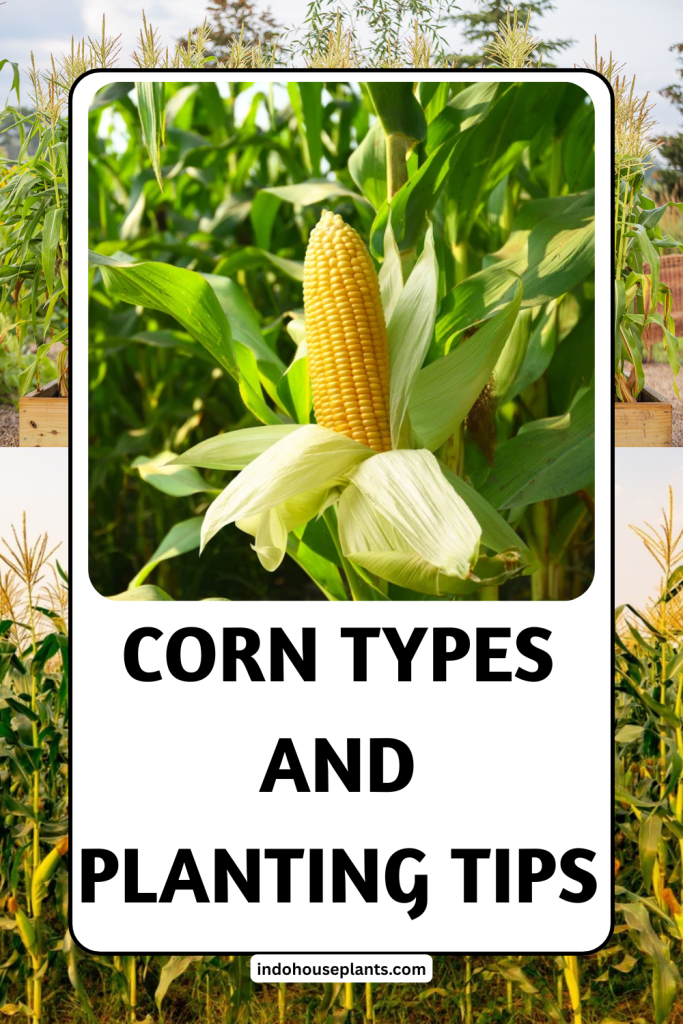
What Most People Don’t Know About Corn Groupings
People often assume sweet corn is just “corn to eat,” and field corn is just “corn for animals.” The real kicker? Each type demands a different growing style and spacing to thrive—especially when it comes to pollination. I learned the hard way that planting sweet corn in a single row doesn’t guarantee those juicy ears everyone dreams of.
Corn is wind-pollinated, so if the pollen from one plant can’t find the silks of another nearby, you end up with ears full of missing kernels. Here’s what changed everything for me: grouping sweet corn in blocks of 3-4 rows planted close together makes a huge difference. The wind blows pollen more effectively within a tight cluster, and suddenly, the cobs are plump and full. This is something few beginner gardeners realize at first.
The Real Deal on Corn Types and Why It Matters

- Sweet Corn is the superstar for fresh eating. It’s like the seasonal treat you eagerly await every summer. But it’s also the most delicate—harvest too late and it turns starchy and tough. I keep my sweet corn patch small and intense, planting in blocks so I can enjoy fresh corn right off the cob in July and August.
- Field Corn (Dent Corn) is the workhorse no one talks much about outside farming circles. This is the tough, starchy corn used for everything from cattle feed to corn syrup, ethanol, and even corn-based plastics. The first time I saw a commercial field corn farm, I was struck by how massive and uniform the fields were—long wide rows spaced perfectly for tractors to do their magic.
- Popcorn is a niche but fascinating type. It’s got this superhero ability to pop because of its hard shell and just the right amount of moisture inside. I tried popcorn one year in a tiny patch, planting two short rows well apart from my sweet corn to avoid cross-pollination.
How to Group Corn for Real Results
Most advice you find online tends to be broad, but when I dig into my own experience and talk with seasoned gardeners, here’s what I’ve found is crucial:
Sweet corn: Plant in a block of at least 3-4 rows, seeds spaced about 8-10 inches apart, and rows about 24-30 inches apart. This density maximizes pollination. One summer, I planted a single row thinking “less work,” and the ears came out half-filled, so lesson learned.
Field corn: Think big and machine-friendly. If you’re planting more than a small garden, use wider rows spaced 30 inches apart and close spacing within rows (about 6 inches).
Popcorn: Keep it isolated. Cross-pollination can ruin popcorn’s popping quality, so separate it from other types by a good distance or grow it in a dedicated patch.
Real-life Example: My First Sweet Corn Block
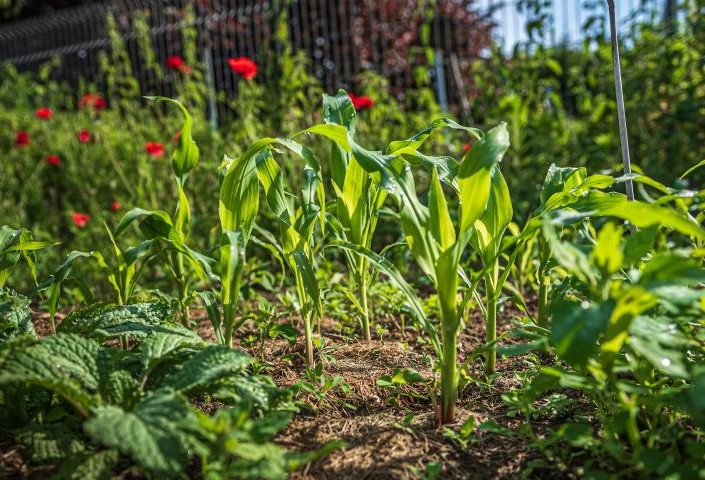
My first serious sweet corn planting was a 10×10 foot patch in my backyard. I arranged four short rows spaced about 8 inches apart, with 30 inches between rows. This block layout was key—when the tassels released pollen, I noticed full, plump ears later in the season.
Dealing with Pollination Drama and Spacing Fumbles
One of my earliest mistakes was spreading seeds too thin in a single long row. It looked neat, but wind couldn’t do its job effectively, and I ended up with ears missing kernels like Swiss cheese.
Also, if you’re growing different corn types and want to save seeds, keeping them physically separated by at least 250 feet is critical. Cross-pollination can make your saved seeds unpredictable next year.
The Takeaway: Get Clear on Your Purpose First
When planting corn, the biggest favor you can do yourself is to figure out upfront what you want from it:
- Want a summer snack? Choose sweet corn and plant in a tight block.
- Feeding animals or producing corn-based products? Opt for field corn and space for farming tools.
- Looking to wow your family with homemade popcorn? Set aside a small, isolated patch of popcorn seeds.
Action Plan You Can Try Tomorrow
- Write down whether you want fresh eating corn, animal feed corn, or popcorn.
- Get seeds specifically labeled for your purpose.
- Lay out your space—think blocks for sweet corn, wide rows for field corn, small isolated patches for popcorn.
- Check your local frost dates and soil temperature recommendations.
- Amend your soil with compost to give your corn a nutrient boost.
Growing corn is an adventure that rewards patience and attention to detail. Once you nail the grouping and plant spacing for your corn type, you’ll enjoy bountiful harvests and maybe even a newfound love for this incredible plant.