After a couple decades surrounded by crispy ferns, surviving pothos, and succulents that turned to mush whenever I blinked, I can promise you: finding the “right type” of houseplant has almost nothing to do with fancy categories—and everything to do with what kind of plant parent you are.
People love giving neat labels—foliage, flowering, succulent!—but most plant struggles come down to habits, homes, and a little bit of trial-and-error. (By “error,” I mean…the time I watered my jade so rarely it flowered out of pure spite.)
Let’s actually break down the main types with real examples—and some honest advice about what you’re getting into.
1. Foliage Plants
Known for: Lush leaves. Not necessarily no-fuss.
Common Types:
- Pothos (Epipremnum aureum) — Practically unkillable; survives low light, skipping waterings.
- Snake Plant (Sansevieria) — Looks like modern art, barely notices neglect, tolerates bone-dry air.
- Chinese Evergreen (Aglaonema) — Don’t let the glamorous leaves fool you; these thrive on minimal care.
Real Talk:
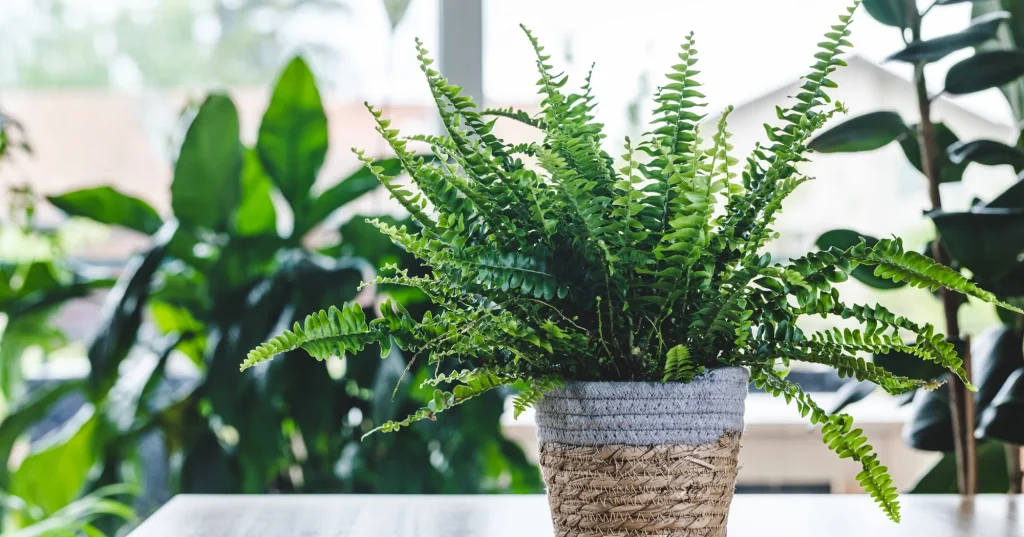
A lot of folks think “all leafy plants are easy.” If that were true, my Boston fern wouldn’t have shed more fronds than I have hair every winter.
Many ferns need humidity—think steamy bathroom shelf, not dry radiator air. If your home is as arid as mine in January? Focus instead on tougher plants like snake plant or ZZ plant.
Pro tip from my last shoebox apartment: All ferns survived in the shower window…everywhere else? Instant brown tumbleweeds.
2. Flowering Houseplants
Known for: Blooms indoors (when they’re happy). Not always drama queens!
Beginner Winners:
- African Violet (Saintpaulia) — Small but mighty; blooms if left somewhere bright-ish and not moved.
- Peace Lily (Spathiphyllum) — Tolerant of random watering; blooms when it feels fancy.
- Kalanchoe — Sold as disposable gifts but can rebloom for years if allowed to “dry out between drinks.”
Confession:
I avoided flowers for years—I figured anything with blossoms would drop dead at the first missed watering. But after rescuing a battered $4 supermarket violet (“Clearance!”), I discovered some flowering plants prefer gentle neglect!
Rule nobody tells you: Most violets die from cold sink water—always use room-temp water and try not to get their fuzzy leaves wet (They seriously hate splashes).
3. Succulents & Cacti
Known for: Fleshy leaves or spines; crave serious sunlight—not always windowsill heroes.
Popular Varieties:
- Jade Plant (Crassula ovata) — Basically immortal unless swamped in soggy soil.
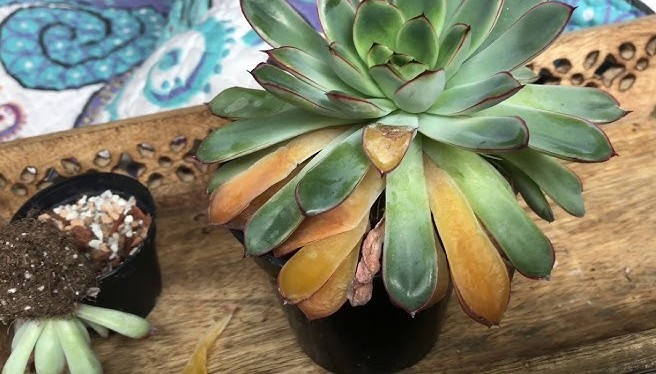
- Echeveria & Haworthia — Cute rosettes; turn to mush fast if overwatered or underlit.
- True Cacti (Mammillaria, Opuntia, etc.) — Only happy basking on blazing south windowsills.
Surprise!
Most people (including Past Me) kill succulents by loving them too much…or too little sunlight. I’ll admit I’ve given up on those trendy glass terrariums—their humidity is fungus Central.
If you insist on succulents north of Atlanta? Try a clamp-on grow light ($16 at Amazon changed my whole approach) or stick to snake plants and jades—they’re better adapted for crummy light.
Embarrassing stat: At one point I owned more rotting succulents than socks without holes.
SUPER QUICK REFERENCE: Best Starter Plants (with Cheat Sheet Care)
| Plant | Light Needed | Watering | Forgiveness Level |
|---|---|---|---|
| Snake Plant | Low–Bright | Let soil get dry | Iron-willed |
| Pothos | Low–Medium | Drought-tolerant | Laughs off mistakes |
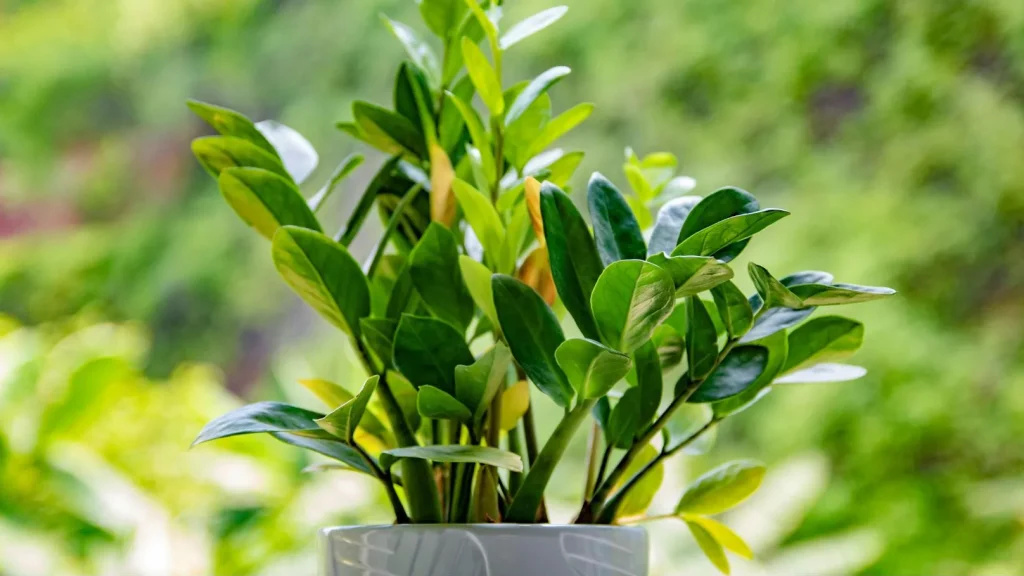
| ZZ Plant | Very Low–Medium | Forget sometimes? Fine | Nearly indestructible |
| Spider Plant | Bright indirect | Keep slightly moist | Recovers quickly |
| Peace Lily | Medium | When droopy | Will tell you itself! |
| Jade Plant | Bright | Let totally dry | Hates soggy feet |
| Cast Iron Plant | Very Low | Occasional | Grandma-level tough |
(Seriously, these plants lived through my most distracted months.)
How To Pick The Right Type For You
Forget the pretty tags at the nursery—ask yourself:
- Do you forget about watering? Start with snake plant or ZZ plant.
- Like fussing daily? Spider plants or peace lilies bounce back from over-care.
- North-facing window? Cast iron plant will survive regardless.
- Love trying things despite past failure? That’s honestly all it takes.
One funny thing: Some of my “best” plants began life neglected in grandma’s hallway…NOT straight from hip boutiques. Don’t overlook “boring” survivors!
The Hard Truths Nobody Shares
- You don’t need expensive pots—more plants have died in pretty pottery with no drainage than plain plastic cups. A simple nursery pot inside a decorative cache pot is often the best strategy.
- Roots hate constant repotting; unless a plant is busting out the bottom or dying rapidly, let it acclimate.
- Soggy soil plus cold = yellow leaves and sadness (move away from drafty winter windows before watering!)
For every elegant Insta corner full of thriving monstera…there’s an off-camera slumping spider plant growing out sideways because someone left a stack of laundry on top of it. That’s real life!
If You’re Still Overwhelmed…
Here’s your super basic first experiment (For anyone who feels cursed):
- Get one snake plant or pothos (whichever looks healthiest at Home Depot/Target/neighbor’s spare pile).
- Put it where you’ll see it twice a week—kitchen counter works great.
- Water once every two weeks—or when completely dry, whichever is longer. Ignore any guilt trips about fancy misters or fertilizer.
- Wait two months before adding any others. See what happens (mine dropped no leaves after month three—small win!).
- Celebrate small wins with friends (“Look Mom—I didn’t kill it!”).
Sidenote:
If everything struggles anyway? It might be your tap water (chlorine does weird things). Try letting water sit overnight before using—or just ask someone who grows suspiciously lush pothos what they’re doing differently. You can learn more about water quality for plants from resources like the EPA’s water quality information.
Encouragement From Someone With A Compost Bin Full Of Mistakes
You aren’t doomed by losing a palm tree or letting a succulent shrivel up like forgotten leftover pizza crusts—honestly that just means you’ve started learning what works in your space.
And trust me: The best conversations start with “Hey…want this ugly-but-thriving cutting?” rather than yet another perfect #houseplant selfie.
If all else fails—congratulate yourself for learning something new when old advice flops.
Got your own weird plant story? Or want more specific suggestions for your actual apartment quirks? Just ask—a lot of us have made every possible mistake and love swapping tales!
Above all: start small, ignore the hype about rare plants until next summer…and laugh when things flop. That’s half the fun!