Let’s cut to the chase: I totally get why you’re eyeing those oversized, dramatic plants—they look epic in every swoon-worthy room on Instagram. Truth is, I used to think they were reserved for people with fancy lofts and a whole team for plant care. Spoiler alert: It’s not true. Regular folks (aka, us) can actually pull this off—even if we’ve murdered a cactus or two along the way.
If you’ve ever dragged home a plant and watched it wither while blaming your “black thumb,” know you are absolutely not alone. Between you and me, my first Fiddle Leaf Fig dropped half its leaves after week one; my kitchen looked less like a magazine and more like a scene from The Day After Tomorrow. But hey, mistakes = free education (and stories to share at brunch).
Here’s what most people don’t know: these statement plants aren’t as fussy as their reputation suggests—if you match them with your lifestyle (and lighting), pay attention to a few little tricks, and ignore advice that feels… well, theoretical.
My Tried-and-True Guide to Large Leaf Houseplants
The Winners’ Circle (Based on Actual Living Rooms)
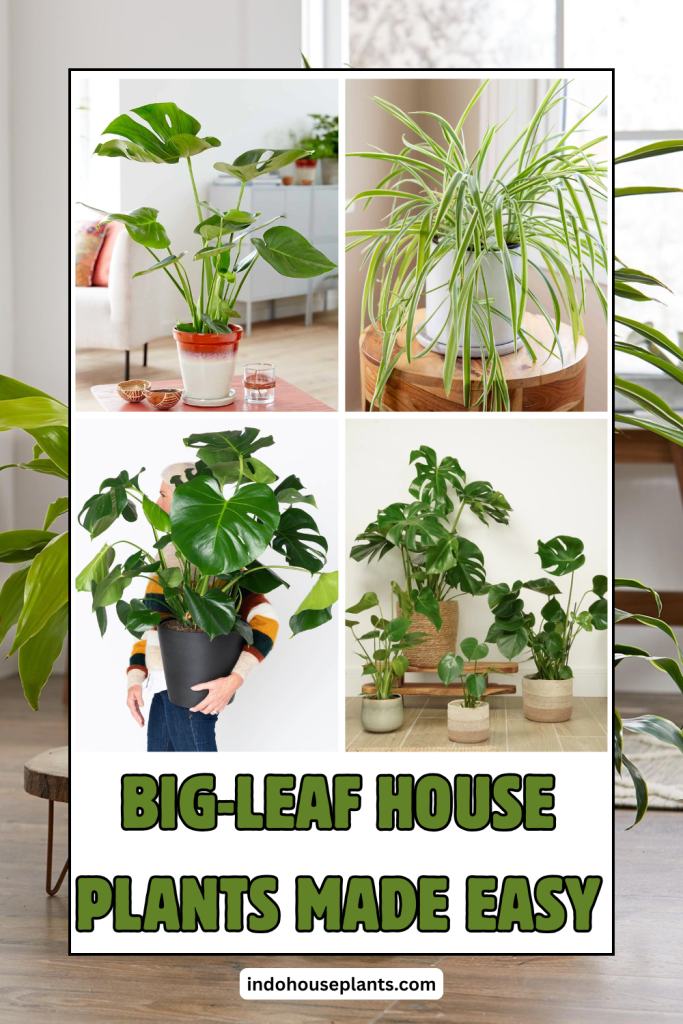
Monstera Deliciosa
- What works in reality: This is basically the golden retriever of big-leaf plants—almost impossible to hate, super forgiving. Mine survived my original “water whenever I remember” method. It bounces back faster than any I’ve tried.
- Real-life tip: Those famous splits only show up with enough light—my friend stuck hers twelve feet from the window and got nothing but big green pancakes.
- Bonus move: If space gets tight, chop off a stem and propagate it in water—a friend for you and an easy gift.
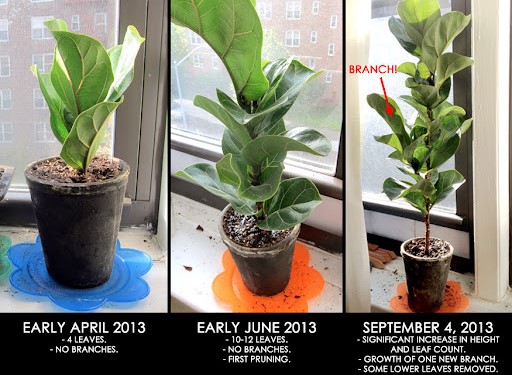
Fiddle Leaf Fig
- Celebrity status for sure, but… Here’s what Instagram won’t tell you: moving it around too often = panic attack for your fig (dropping leaves is its love language). Find its forever spot and let it settle in for at least a month.
- Unpopular truth: Most troubles start with overwatering—my own worst habit until I switched to using a cheap $12 soil moisture meter (#gamechanger).
Elephant Ear (Alocasia & Colocasia)
- Humidity drama: These guys nearly croaked when I moved them next to my heat vent one winter—crispy edges galore. Best hack? Stick them in the bathroom near the shower; they perked up practically overnight.
- Small space trick: Got no big bathroom windows? Group Elephant Ears together or put their pot on top of wet pebbles—they’ll suck up the extra air moisture like magic.
Bird of Paradise
- Big impact for low effort (if you have sun): Mine sat in direct sunlight for three months straight last summer—not even a sunburned tip. Flowers indoors? Eh, rare. But watching new leaves emerge like rolled-up cigars makes up for it.
- Insider note: Old leaves crack down the middle—it’s not disease; just how they grow (honestly drove me nuts till someone at the local nursery explained).
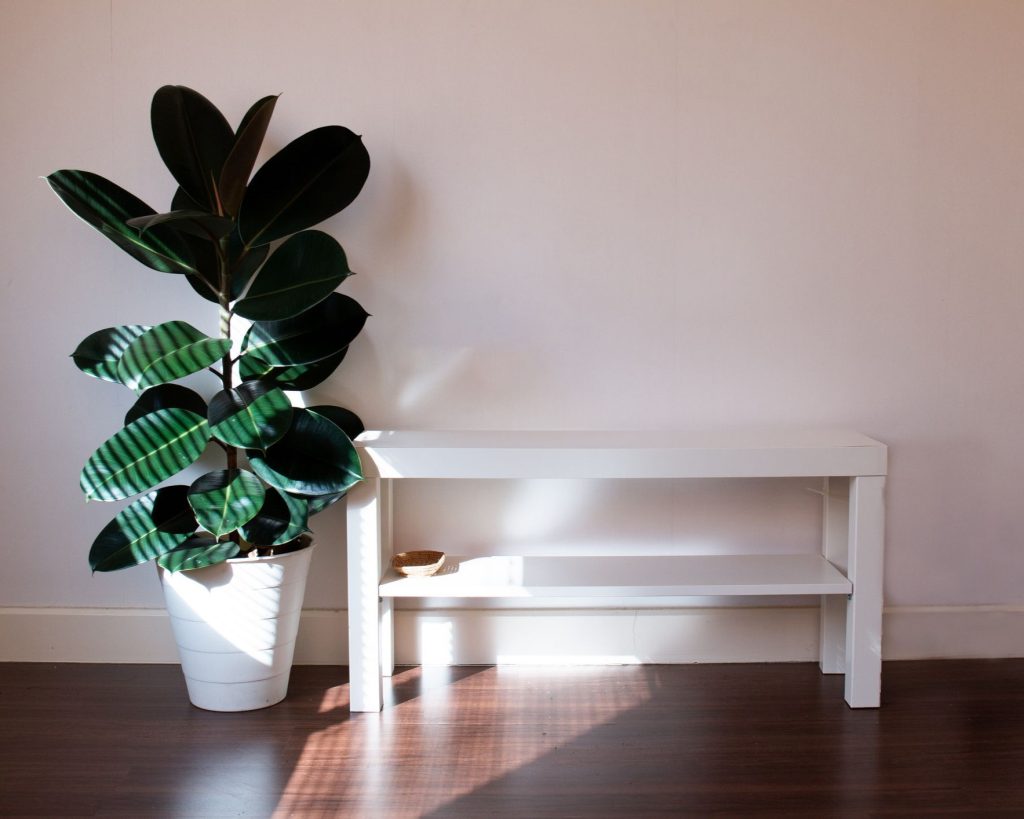
Rubber Plant
- Low-key MVP: If your place runs dark most months (hello winter!), Burgundy Rubber Plants will soldier on where others sulk.
- Backstory: My original rubber plant cost $14 from Home Depot in 2019 and survived two apartments, HEATERS blasting all winter long, plus neglect during vacation. Just don’t drown it—let that soil really dry out first.
Real Stuff You Learn by Actually Owning These
Ever open your curtains on a Saturday morning and see new unfurling leaves? Feels like winning scratch tickets—but cheaper.
Where They Really Thrive
I kept an Alocasia near my windowless desk under an inexpensive GE Grow Bulb ($9)—it was way happier than when I tried squeezing it into filtered sunlight behind sheer curtains.
A Monstera turned my tiny dining nook into everyone’s favorite photo booth corner—I just had to rotate it once every month so all sides got some love (otherwise one side went wild while the other looked sad).
Epic Failures That Taught Me More Than Any Blog
- First Fiddle Fig? Toppled over because I picked a flimsy plastic pot (“just temporary!”)—soil everywhere during game night pizza delivery.
- Bird of Paradise #1 grew mold at its base because I put leftover mulch on top “for looks.” Lesson learned: drainage holes are non-negotiable even if they ruin your pot aesthetic.
Sensory Realness
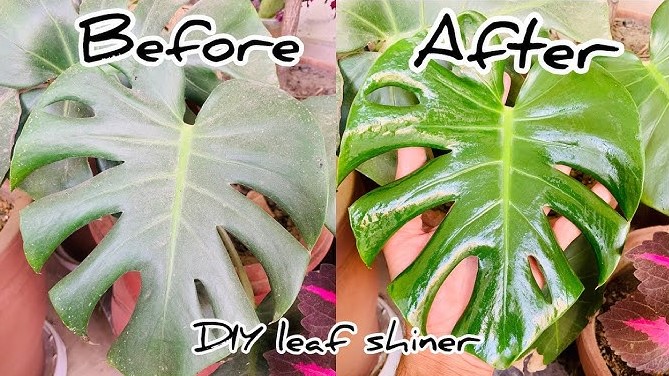
You’ll notice air feels fresher around these giants—the leaves catch dust better than most air filters; wiping them down becomes weirdly satisfying once you see how shiny they get again.
Plus there’s something about seeing afternoon sun hit those wide veined leaves that just quiets the noise in my brain after work.
Advice Nobody Gave Me—But Should Have
- Mismatched Pots Suck Energy: You can upgrade later; start with something stable that won’t topple when those giant leaves lean toward the light.
- Soggy Roots = Secret Plant Killer: For real—skip fancy “watering schedules.” Stick your finger deep in the dirt or buy that moisture tester gadget I mentioned.
- Winter Blahs Are Normal: Leaves might drop or stop growing entirely mid-winter—that does not mean doom! Resume normal pampering when spring rolls in; patience wins here.
- Don’t Underestimate Dust: Dusty leaves literally can’t photosynthesize as well; wipe ’em down every couple weeks with damp paper towel or old cotton sock over your hand—it takes five minutes max!
- Lighting Is Everything But Not Everything Needs Sunlight Bombs: A south or east window works wonders—but honestly? An affordable LED grow bulb turns any corner into big-leaf territory.
Cost Breakdown – Keeping It Real
- Most starter Monsteras cost ~$25–40 depending on size/where you live; Fiddles usually run slightly more ($40–60).
- Grow lights: $9–$20 each (will last years).
- Moisture meter: $10–15 once—and worth every penny if you’re tired of guessing.
My own Elephant Ear set me back $19 flat at Trader Joe’s—which felt wild considering how fast it doubled in size by May!
Your Low-Key Jungle Action Plan
- Pick ONE plant—you deserve a win early on!
- Match it with whatever sunny-ish spot makes sense in your place.
- Buy drainage pots—no question about it.
- Get hands-on! Feel that dirt before watering; check for dust once every Netflix binge.
- Don’t stress about perfection—a brown edge here or there won’t ruin anyone’s day.
Trust me, new growth will surprise you right when life gets overwhelming—and honestly? It feels pretty great claiming responsibility for something thriving nearby (especially if everything else feels chaotic).
You’re allowed some failures along the way—we all have them—but keep tweaking little things rather than giving up altogether (“Been there myself” x100). Chat up someone at your local garden shop next time—they usually drop tips no blog ever will (“A little fish emulsion fertilizer mid-spring makes Monsteras explode.” Who knew?)