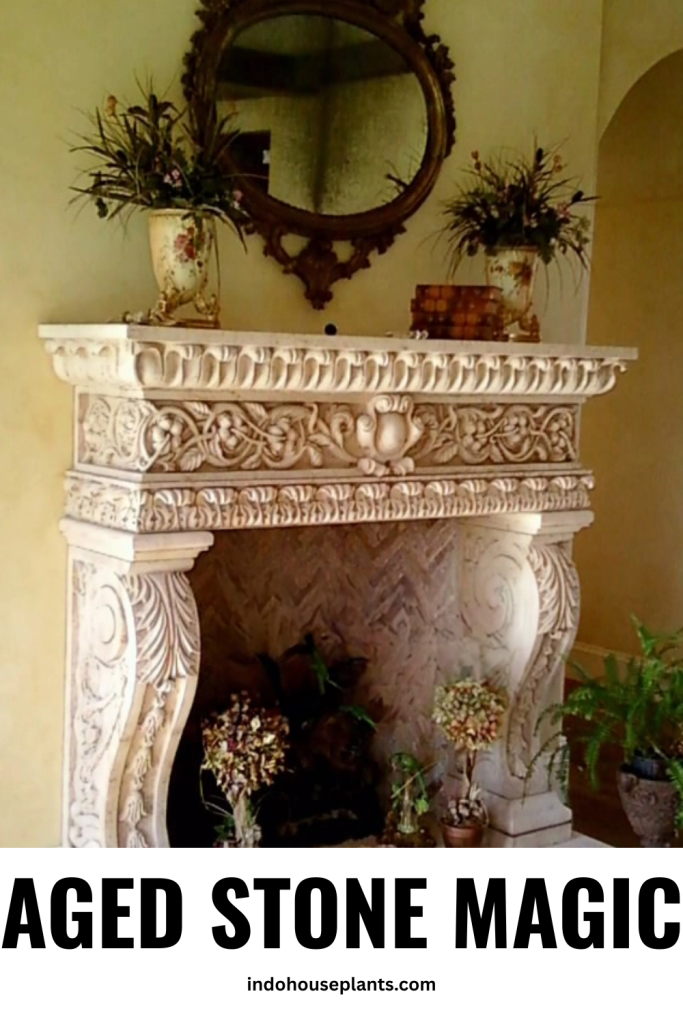
I’ve always been fascinated by how stone can tell a story, not just through its shape or color, but through the subtle changes time etches into its surface. Aged stone features bring this narrative into your space, creating a sense of history and texture that no polished, brand-new slab can match.
When I first started experimenting with aged stone in my own garden, I found it wasn’t just about looks—it was about the feel and atmosphere the stone created. For example, an old limestone retaining wall I restored wasn’t just holding back soil; it was grounding the entire garden, turning it into a space that invited you to linger, run your fingers over cool, softly rounded edges, and notice little patches of moss thriving in crevices.
That tactile experience, combined with the interplay of warm greys and greenish hues, made the wall feel like a natural extension of the earth beneath it.
How Nature and Time Shape Stone’s Character
Here’s what most people don’t realize: aged stone doesn’t just happen because of neglect or wear—it’s a collaboration between nature’s relentless forces and the stone’s inherent character.
- Over years, wind sweeps micro-abrasives across limestone’s surface, smoothing sharp edges and subtly reshuffling mineral colors.
- Rainwater doesn’t just wash the stone—it slowly dissolves parts of its surface, crafting tiny pits that catch shadows and moss.
- UV rays don’t only fade colors; sometimes they deepen the warmth, coaxing subtle caramel tones from sandstone or bringing out blue undertones in bluestone.
- Biological growth like lichen or moss chemically interacts with the stone, softening its surface and weaving a greenish tint into cracks.
The Art of Artificial Aging
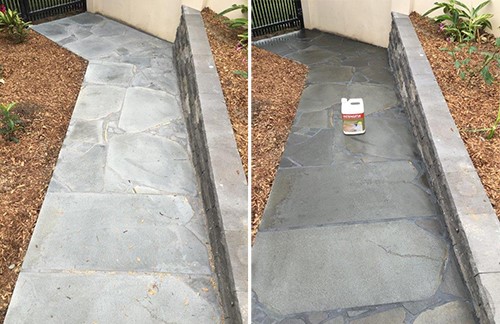
If you’re picturing this but thinking, “That sounds like it takes decades,” you’re right. But here’s a trick I learned working with artisans: you can achieve that lived-in look much faster thanks to artificially aged or antiqued stone.
Skilled craftsmen use sandblasting, acid washes, or specialized tumblers to simulate years of weathering in mere days. When I oversaw a project that needed a historic feel but strict deadlines, this method saved the day, delivering stones with authentic texture and subtle color shifts that fooled even seasoned stonemasons.
Why Aged Stone Feels Like Home
Beyond aesthetics, aged stone has this wonderful ability to anchor a space emotionally. Unlike new stone, which can sometimes feel cold or sterile, aged stone feels like it belongs.
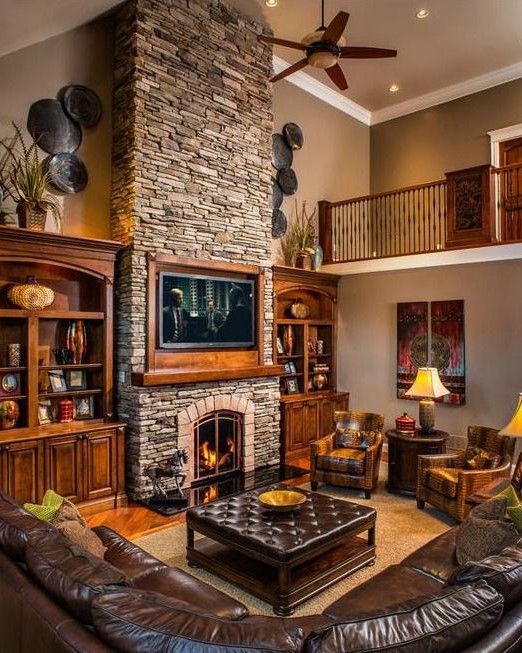
It invites stories—whether it’s around a fireplace where you gather family, a garden wall that has witnessed seasons changing, or an outdoor patio where every chip and stain adds to its charm. Aged stone also ages better; because it already shows imperfections, future wear blends in naturally, making maintenance less stressful.
One of my favorite real-world examples is a client’s patio made from aged bluestone pavers. Instead of the slick, almost clinical look of new stone, these pavers carried soft blue-grey tones with hints of rusty brown in the cracks. When the afternoon sun hit the surface, it looked like an ancient courtyard bathed in a golden light—not your everyday backyard patio.
Challenges and Considerations
But… I won’t sugarcoat it. Working with aged stone does bring challenges:
- If you love the moss and lichen look, be prepared for more moisture and some ongoing care, especially in frost-prone areas.
- Sealing aged stone is a bit of an art—you want to protect it but not create an unnatural sheen.
- Reclaimed stone is a treasure but can be expensive and uneven, requiring careful installation.
My advice? Balance your budget with your commitment to authenticity—sometimes a well-done artificial aging process gives you the best of both worlds.
Aged Stone Fits Any Style
For those wondering if aged stone fits their style, here’s a little secret: it’s incredibly versatile.
- Modern homes: Pair with sleek black metal and glass for a striking contrast.
- Rustic cottages: Blends seamlessly with exposed timber beams and sprawling gardens.
- Mediterranean villas: A signature element, reflecting centuries of sun and sea salt.
How to Choose the Right Aged Stone
If you’re ready to bring this timeless beauty into your project:
- Visit local stone yards—feel the difference between freshly cut and aged stone.
- Ask to see photos of finished projects—aged stone looks different depending on installation and setting.
- Consider your climate—some stones develop more character in humidity, others in dry heat.
Before fully committing, grab samples and live with them in your space. Watch how their colors and textures evolve as days go by.
Final Thoughts
Your curiosity about aged stone’s nuances shows you’re not just decorating but curating an experience. If you want, I can share some lesser-known treatment methods or trusted suppliers—these insider tips make the difference between a project that looks designed and one that looks truly lived-in.
So, step forward with aged stone—and let your space carry a story that only time can write.