Tropical foliage houseplants have a way of transforming a living space from “nice enough” to “wow, is this a magazine shoot?” But don’t let Instagram fool you—none of us woke up knowing the secret handshake for happy indoor jungles. I still remember my first Monstera turning yellow the week after I brought it home.
Turns out, a little knowledge (and a dash of real-life trial and error) beats green thumbs every time.
Let me spare you a few rookie curveballs, sprinkle in the hard-won lessons, and arm you with small tricks most plant guides forget to mention. Here’s what’s actually worth knowing if you want the lush, leafy look—without the heartbreak.
Why Tropical Foliage Houseplants Hit Differently
It’s not just about “decorative leaves.” The real magic? These plants are natural mood-boosters. Studies (and my own slightly obsessive experiments) confirm—they purify the air, yes, but their biggest perk is how they change the energy in a room.
When clients walk into my plant-filled studio, I see their shoulders drop. There’s something grounding about seeing a Calathea’s leaves curl up at night or watching the new growth unfurl on a Monstera—that’s the stuff you won’t get from silk plants.
A lot of beginners underestimate how forgiving these plants can be compared to, say, orchids or fussy purple passion vines. Most tropical foliage houseplants evolved to thrive under trees in dense rainforests—so they’re used to competing for light and surviving “just okay” conditions. That’s exactly why they’re such resilient apartment dwellers.
My Unfiltered, Battle-Tested Favorites for Beginners
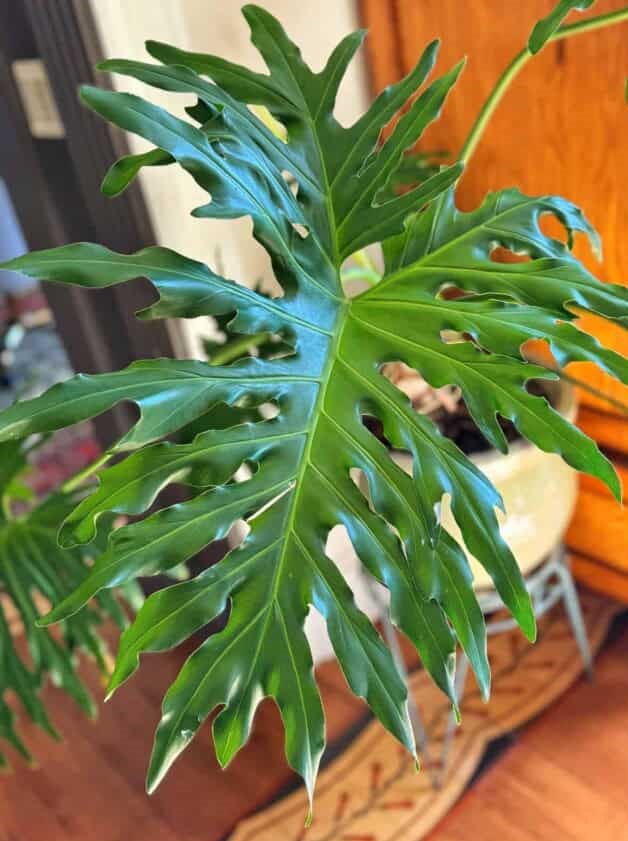
Here are the “starter plants” I still recommend (and personally rescue from friends’ homes every year):
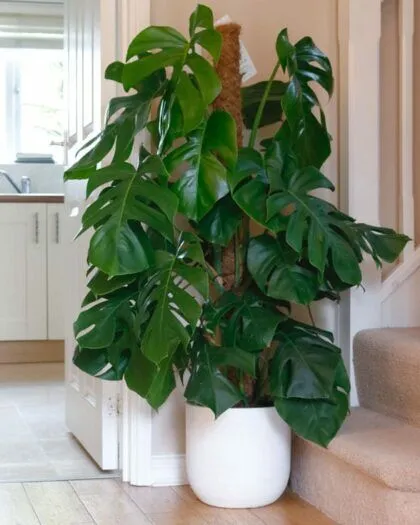
1. Monstera deliciosa (“Swiss Cheese Plant”)
This one’s a showstopper. Mine sits three feet from a sheer-curtained window, and it never fails to lift my spirits—especially that thrill when a new leaf splits open. If you don’t have room for the full-size monster, try Monstera adansonii (smaller, same cool holes).
What most people don’t know: Monsteras love a weekly wipe-down. Dust chokes their ability to photosynthesize, so a damp cloth across the leaves isn’t just cosmetic, it’s vital. I schedule it while on a work call—two birds, one stone.
2. Heartleaf Philodendron
This is the plant for serial over-waterers (you know who you are). Mine’s survived a forgotten month during vacation and being knocked over by a cat. The heart-shaped leaves just keep coming.
Unconventional tip: If you want a fuller plant, snip a leggy vine and stick it back in the soil. It will root and fill out—no expensive propagation setup needed.
3. Pothos (“Devil’s Ivy”)
If plants had a “Can’t Be Killed” award, Pothos wins. I’ve seen them survive student dorms, dusty offices, and five days with the heating blasting. Varieties like Golden and Marble Queen give different vibes, so pick what fits your palette.
Pro move: Let the vines trail from a bookshelf or hang from the ceiling. Every foot of vine is another victory for your plant parent résumé.
4. ZZ Plant (Zamioculcas zamiifolia)
I call this my “set it and forget it” plant. The thick, shiny leaves tolerate almost any light. I’ve gone three weeks without watering—no drama, just slow, steady growth.
Here’s what beginners miss: ZZs hate soggy soil. If you see yellow stalks, time to cut back on water. I use a chopstick to poke holes in the soil so it can dry out faster.
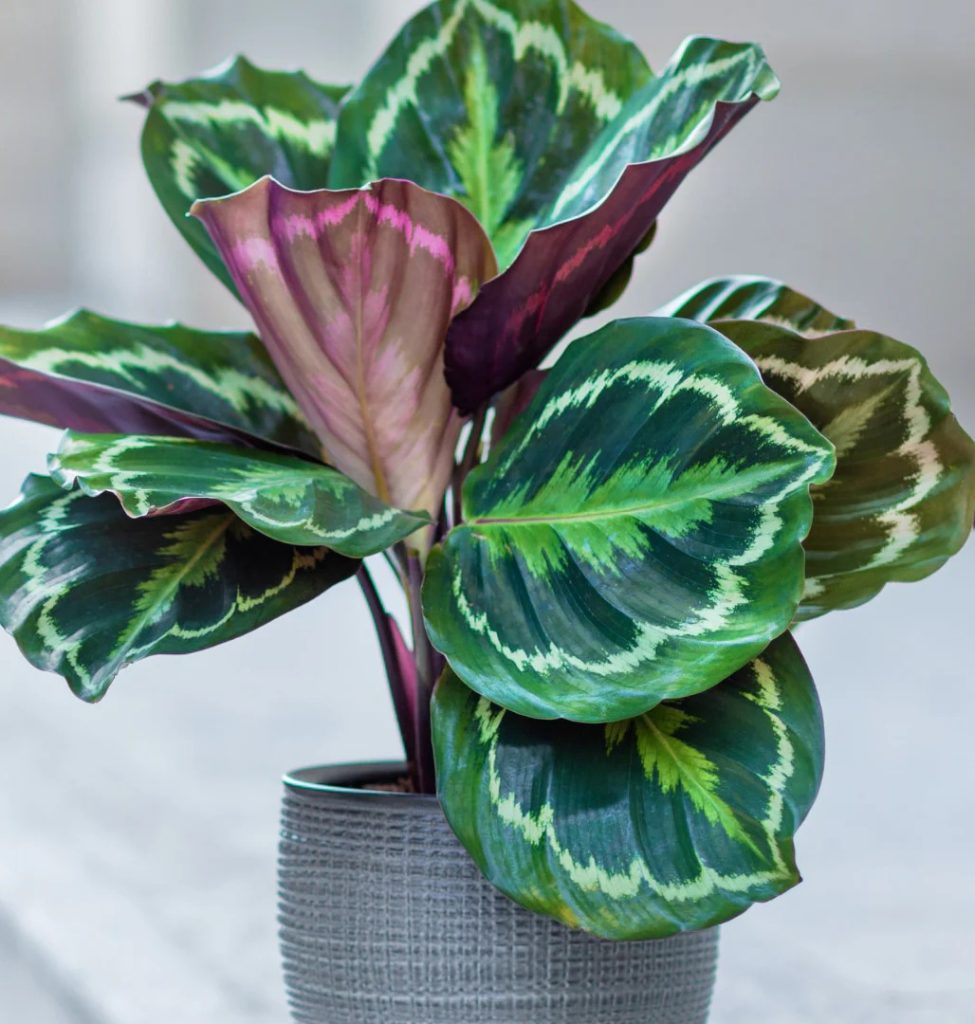
5. Calathea (“Prayer Plant”)
This is the queen of patterns—seriously, one of mine has pink stripes that belong in a Lisa Frank notebook. Calatheas love humidity, but don’t get intimidated; a steamy post-shower bathroom and a weekly mist will do the trick.
What no one tells you: Tap water can brown the leaf edges. Use filtered water, or let a jug sit out overnight to evaporate chemicals. It really does make a difference.
The Real Habits That Keep These Plants Alive
I’ve killed my share of plants (ask the tragic story of my first Alocasia), but these tweaks made all the difference over the years:
Light:
Forget “direct sun.” Place your plants where you’d read a book during daylight—bright but not glaring. If you accidentally fry some leaves, shift the plant back a foot. I’ve used sheer curtains, and even an old T-shirt draped over the window during peak summer.
Water:
Everyone overthinks this. The rule: When in doubt, wait it out. I stick my finger knuckle-deep in the soil. If it’s bone dry, I water. If not, I wait. (Bonus: Most tropicals are drama-free about a missed watering—unlike their fern friends.)
Humidity:
You don’t need to buy a fancy humidifier on day one. Grouping plants together really does create a microclimate—I set mine in “clusters” and let them do the work for each other. Want to geek out? Place a shallow dish of water near the plants (just not touching their roots).
Temperature:
If you’re comfortable, so are your plants. Just keep them away from wild temperature swings—no sticking your Calathea on a windowsill above a radiator in winter (learned that one the hard way).
Feeding:
I used to over-fertilize, thinking more = better. Now I add a weak dose of liquid fertilizer every month in spring and summer (I set a phone reminder). In winter, plants go dormant, so skip the food.
Stories from the Real World
The Living Room Centerpiece: I gave my friend, Maya, a Monstera for her new apartment. The trick? She left a big drip tray underneath, so it never sat in water. Six months in, she was sending me photos of new “split leaves” with the pride usually reserved for first graders’ art projects.
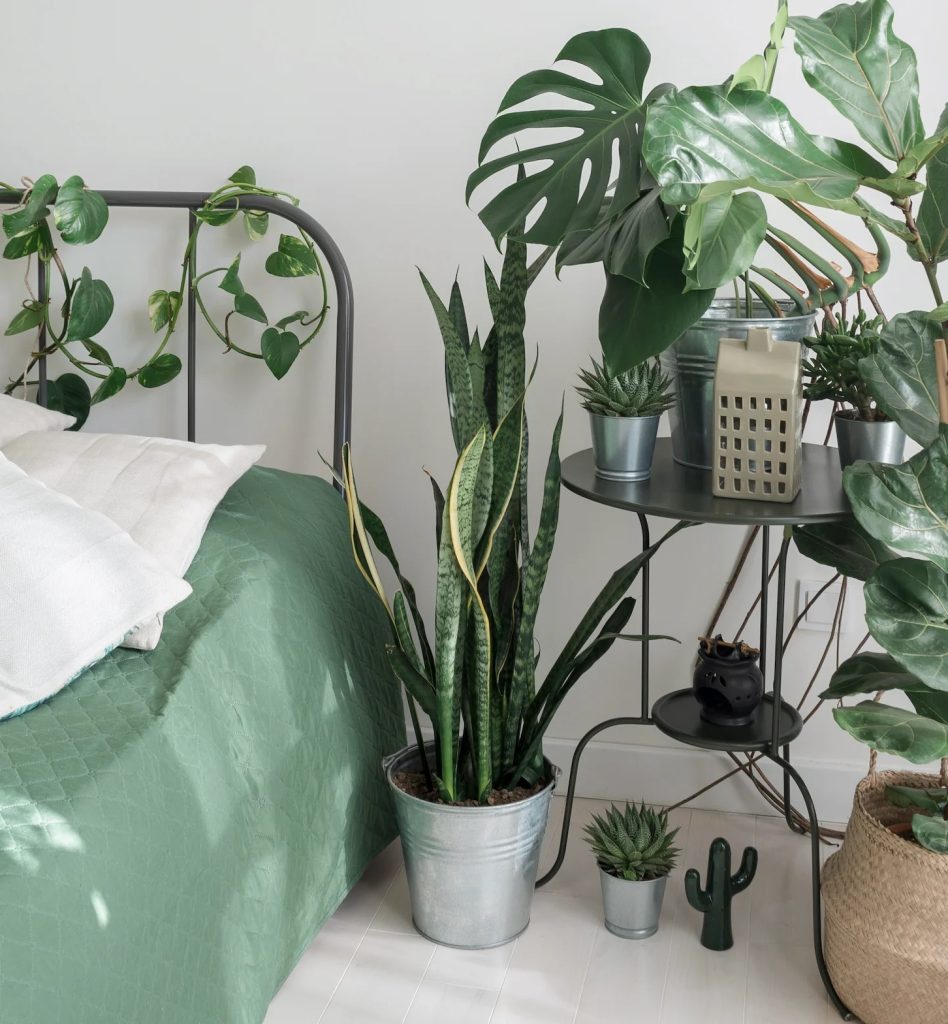
The Low-Light Bedroom: My own Pothos started as a rescue from a dimly-lit office cubicle. Now it cascades from a high shelf right inside my not-so-sunny bedroom. Even in winter, it quietly keeps growing—I lose count of the compliments from guests.
Steamy Bathroom Escape: Calatheas have a rep for being tricky, but my secret is the bathroom windowsill. All that post-shower steam? Free, easy humidity. Bonus: The patterned leaves give that “spa” look, even if I’m surrounded by drugstore shampoo bottles.
Honest Trouble-Shooting (and a Few Myths to Bust)
- Worried about brown tips? It happens, especially with tap water. Prune them off and try switching to filtered or distilled water.
- Fearful of “root rot”? Water less than you think. Most damage happens from soggy roots, not from letting things dry out.
- Pet owners beware: Pothos and Philodendron are not pet-safe. I hung mine in macramé hangers to keep curious cats at bay (looks cool, too).
- Lost a leaf? Don’t panic. Tropical foliage plants shed old leaves as they grow. Unless most of them drop, you’re on track.
Here’s what most beginners never hear: plants are resilient. They want to grow. Get to know yours. If something looks off—a leaf yellows, edges crisp—it’s not an indictment of your “skills.” Think of it as feedback, and adjust your routine.
The Takeaway: You Don’t Need Perfection, Just Curiosity
The real win is showing up for your plant. One or two leaf losses? Normal. The joy when you spot a tiny new stem poking through? Unbeatable.
I often say, your plants won’t remember a botched watering or that accidental sunburned patch. They’re far more forgiving than most advice columns make them sound.
Start with one plant and treat it like a living experiment. Watch, learn, tweak. The next thing you know, friends will be asking you for clippings (and wondering why your apartment feels so much more welcoming than theirs).
Here’s the best first step: pick your favorite from the list, grab a pretty pot with a drainage hole, and claim a bright-but-not-scorching spot. Stick to the “let dry, then water” rule, and check in every Sunday (I call mine my ‘plant check-in ritual’). That’s the kind of low-key habit that adds up. Every new leaf is a tiny high five from nature.
Tropical plants aren’t just decorations—they’re companions that reward your attention with resilience and beauty. If you mess up, welcome to the club. That’s how every great plant journey starts.