Watching your favorite monstera or pothos suddenly turn sickly—sticky leaves, weird spots, or cotton-ball-like fuzz—can make even veteran plant parents feel like they’re flunking some secret test. I’ve lost count of how many times I’ve found myself squinting at suspicious leaf blotches at midnight, wondering if I’m dealing with spider mites, a fungus, or just a plant in a bad mood.
But here’s the reality: pest and disease problems are a rite of passage for anyone who keeps houseplants. If you’ve never had a mealybug meltdown or a root rot scare, give it time—you will, and you’ll be a better grower for it.
Let me walk you through my own process, shaped by plenty of trial, error, and “oh no, not again” moments, to demystify indoor plant pest and disease control. This isn’t textbook advice; it’s what has actually worked (and sometimes not worked) in a house full of leafy dependents.
Get Really Nosey: How I Diagnose (and Why You Should Too)
It all starts with taking off the “it’ll probably be fine” blinders. I keep a magnifying glass—$4 at the hardware store—in my plant care kit, and trust me, it pays for itself fast.
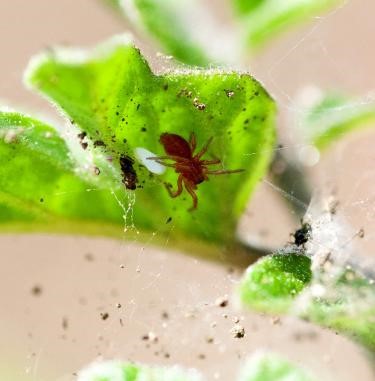
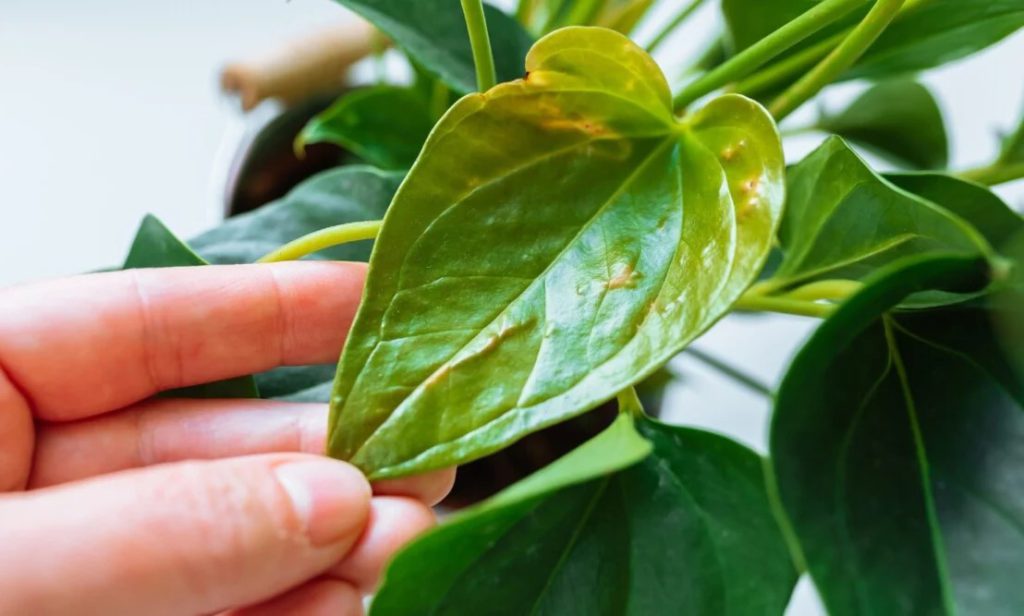
Underside inspections: I learned the hard way that spider mites are like tiny Houdinis, hiding beneath leaves where you’ll never spot them if you don’t look. I now flip every leaf routinely—not just the sickly-looking ones.
Stems and soil: More than once, I’ve mistaken scale for a regular brown bump. They’re sneaky! Run your fingernail gently over any hard bumps on stems; real ones pop off, scale bugs squish (don’t do this before breakfast).
Symptom sleuthing: Here’s what clued me in:
- Fine webbing: Red alert for spider mites. If you see this, act fast—these pests multiply like they’re training for the Olympics.
- White fuzz: Almost always mealybugs, or, if it’s on the soil, possible fungus. A friend once lost her whole succulent tray to ignoring this.
- Mushy, black roots: Don’t ignore wilting even when soil feels moist; root rot is a silent killer that’s ended more than a few of my plants.
Here’s what most plant parents miss: Many pests spread before you see damage. A quick flashlight inspection at night can reveal early infestations, especially on new leaves and leaf joints.
My Real-World Pest & Disease Arsenal
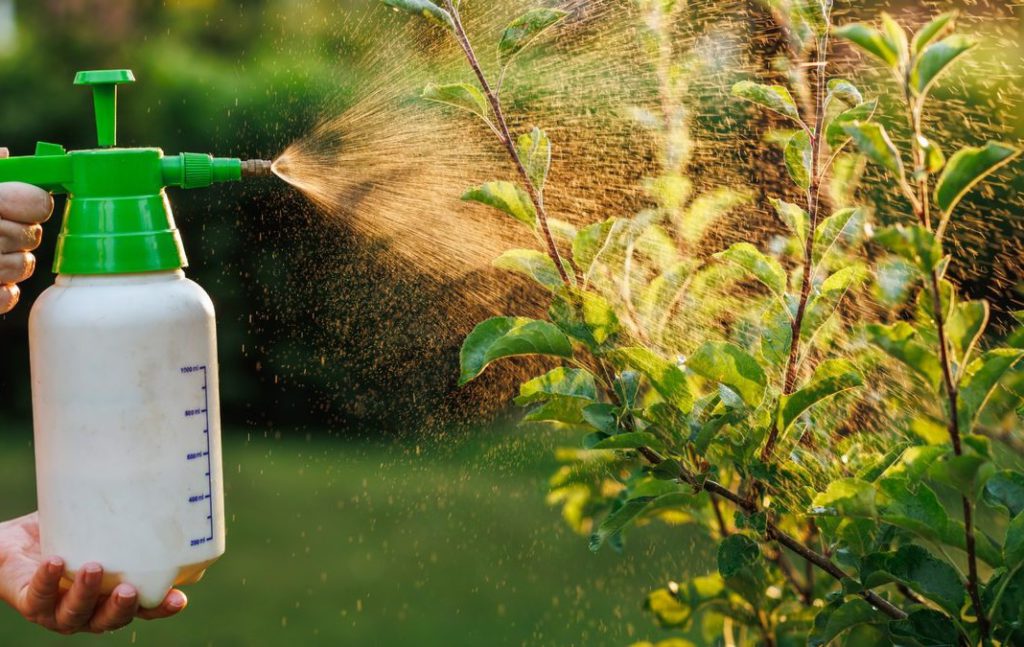
Neem oil and insecticidal soap get a ton of hype, but not all bottles are created equal, and your technique matters far more than what you use.
- Mixing matters: I once scorched a fern by skipping the dilution instructions on a new neem oil brand. ALWAYS test on a single leaf first—plants differ (and some sulk more than others).
- Technique tip: I use a soft makeup brush to reach tricky crevices with neem. Cotton swabs are my MVP for dabbing mealybugs—alcohol zaps them on contact without soaking the whole plant.
- Soap hack: Make your own insecticidal soap in a pinch: mix a few drops of fragrance-free dish soap in water (about 1 tsp per quart). But don’t use “antibacterial” types—they can harm sensitive leaves.
For fungus or mold, I’ve had more long-term success adjusting my routines than using sprays. For example, after a prized calathea developed mildew, I spaced my plants out—even rearranging furniture—to boost air flow. That, paired with bottom watering and snipping infected leaves, stopped the spread completely.
When root rot hits (and oh, it does), don’t rush the process. I always lay roots on a dry paper towel overnight before repotting; this gives them a fighting chance. Most people repot too quickly—an hour or two can make all the difference.
True Stories From the Trenches
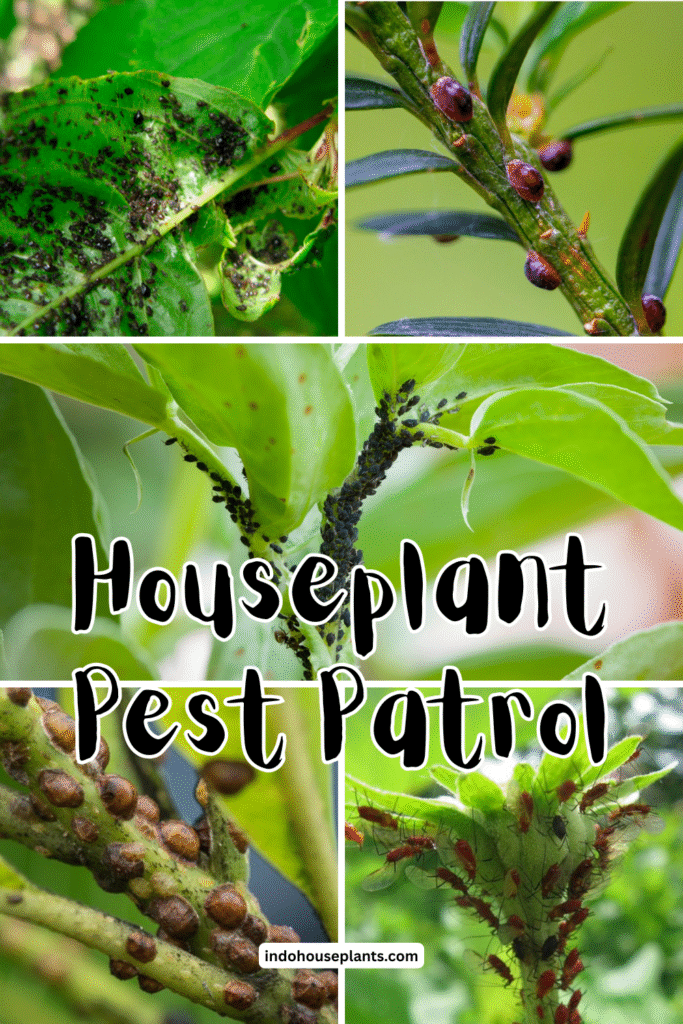
- The Aphid Apocalypse: My windowsill basil was attacked mid-winter. I blasted it with a gentle shower in the sink, sprayed with soap, and set it in quarantine for a month. The key was repeat treatments every four days (aphids breed faster than you think).
- Mealybug Meltdown: A jade plant I inherited looked healthy—until white tufts popped up. Isopropyl alcohol (70%) on a cotton swab, every few days, did the trick. After the last bug was gone, I let the plant rest—no more spraying, just patience.
- Funky Soil Fix: Mold on my ZZ plant’s soil? I scraped off the top inch, mixed in some cinnamon (which has natural antifungal properties), and went longer between waterings. The mold didn’t come back.
Overlooked but Game-Changing Tips
- Quarantine always wins: New plant? Two weeks in a separate room before introducing it to the rest. I learned this after a bargain nursery find wiped out half my collection with a mite infestation.
- Consistent checks > hero treatments: Five minutes a week is all it takes. Put it in your phone calendar—Sunday Plant Patrol, or whatever works.
- Don’t rush to compost: I used to compost infested leaves. Now I always bin or bag them, since pests can survive and return via the soil.
Here’s what most people don’t realize: your humidity and airflow matter as much as any spray. A cheap clip-on fan and a $10 humidity meter have saved me from countless outbreaks. Plants crammed together on that Instagram-friendly shelf? Gorgeous—until fungal disease makes its entrance.
Your “Do This Today” Plan
- Inspect every plant, every angle: Include under leaves, stem bases, and soil surface.
- Isolate the sickies: Move affected plants away from the healthy crowd, pronto.
- Assemble your kit: A basic starter? Neem oil, gentle dish soap, cotton swabs, rubbing alcohol, scissors, and maybe a makeup brush.
- Do a leaf test: Before dousing the whole plant, test your spray mix on a hidden leaf and wait a day.
- Repeat, repeat, repeat: Set a reminder on your phone (I use sticky notes on the fridge) for weekly check-ins.
- Ask for help: When in doubt, snap a photo and post it in a trusted group (like the helpful folks on r/houseplants on Reddit).
You don’t have to aim for perfection—plants are, above all else, resilient. Every time you spot a pest early or revive a droopy friend, you’re leveling up. Even when a plant “fails,” it’s just experience earned for next time.
Take it from someone who’s composted their share of crispy snake plants: you WILL win more than you lose with a little vigilance and a lot of curiosity. Trust your instincts—your green thumb is only going to get greener.