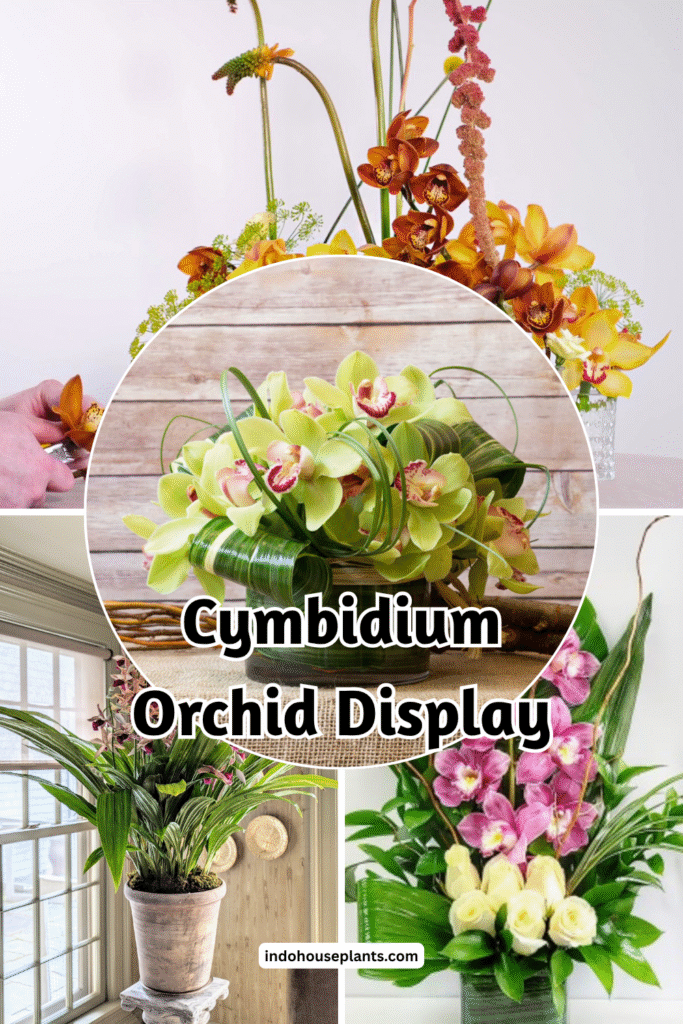
When I first fell in love with Cymbidium orchids, it wasn’t just their graceful curves or vivid colors—it was how they command a room when grouped together. There’s something magical about those long-lasting spikes bursting with blooms that instantly elevate any space, whether it’s a cozy nook at home or a bustling office.
Over the years, I’ve learned that the secret isn’t just piling pots next to each other; it’s about crafting a living, breathing floral scene that feels balanced, inviting, and full of life.
What Most People Don’t Realize About Cymbidium Displays
Here’s a little insider tip from my own trial and error: placing a bunch of blooming Cymbidiums side by side is just the start. The real art lies in how you think about the space and flow between each plant.
For example, when I first tried to showcase four pots of mixed-colored Cymbidiums on a tray, it looked like a chaotic mass. The breakthrough came when I shifted the taller spikes slightly backward and nestled the shorter ones closer to the front, creating a subtle depth that made the colors pop without feeling crowded.
Now, instead of a “plant clump,” it feels like a curated mini-garden that draws people in, inviting them to admire the portraits of soft yellows melting into rich reds.
How to Build Your Own Eye-Catching Cymbidium Display—Beyond the Basics
1. Start With Plants That Speak to You
Don’t just pick any blooming Cymbidium because it’s on sale. Visit your nursery and choose spikes with flowers that you personally resonate with. One year, I snagged a pot with subtle lavender blooms fading into creamy white edges; it instantly became the star of my living room display.
2. Think Like a Floral Designer: Play With Height and Texture
Instead of aiming for uniform spikes, embrace irregularity. Let one plant’s spikes sway gently in one direction, while another stands upright. Combine this with an occasional fiddlehead fern or an orchid leaf laid softly at the base to add a hint of green texture.
This interplay adds personality—like a well-dressed ensemble rather than a uniform.
3. Selecting the Perfect Base: It’s More Than Just Support
A shallow wooden tray with rustic grain details or a vintage ceramic dish can anchor your display emotionally as well as physically. I’ve found that neutral tones like weathered wood or soft white accentuate the orchids without shouting for attention.
Bonus tip: try using a moss bed under the pots to add softness and a natural vibe that attendees often compliment. The American Orchid Society has a great guide on general Cymbidium care that can inform your choices.
4. Spacing is Your Friend, Not Your Enemy
You want your orchids close enough that the blooms visually touch but not so tight that airflow is compromised. When plants get cramped, it’s a recipe for mildew or pests.
I usually aim to leave about an inch of breathing room between pots but rotate the arrangement regularly to prevent leaves from crowding.
5. Light and Environment—Treat Your Display Like a Guest You Want to Spoil
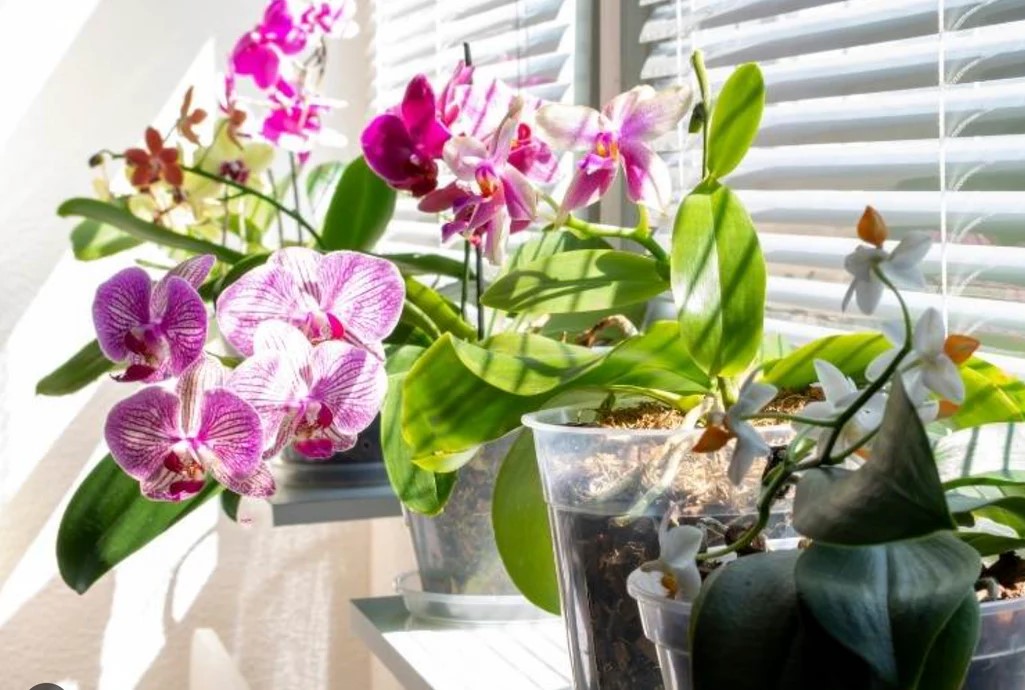
Cymbidiums adore bright but filtered sunlight. My office window faces east, so I keep my display there with a sheer curtain that diffuses the light. During winter, I even use a small grow light to compensate for shorter days.
Top tip: remember that they prefer cooler nights (around 55°F), so relocating the tray closer to a window that cools down after sunset helps mimic their natural cycle and encourages reblooming.

Real-Life Inspiration That Transformed My Displays
- The Dinner Party Centerpiece: Once, for a small gathering, I arranged four Cymbidiums in varying shades of peach, pale pink, and cream on a reclaimed wooden tray. Around the pots, I scattered small votive candles and a handful of smooth river stones. The flickering candlelight danced on the petals, making guests comment on how intimate and elegant the whole table felt.
- Minimalist Office Zen: In my own workspace, I paired two potted Cymbidiums with sleek black ceramic containers. The blossoms’ soft curves contrasted beautifully against the clean, angular desk layout. It became a conversation starter and a calming presence during hectic workdays.
- Seasonal Rotations: I love swapping out pots or moving the display to a sunroom during summer months. Once, I experimented by placing a small grouping of pastel-hued Cymbidiums next to a trailing pothos. The contrast between rigid orchid spikes and flowing green vines created a dynamic, layered look that surprised me with its vibrancy.
Troubleshooting: The Real-World Challenges We All Face
When your Cymbidiums don’t bloom together, don’t stress! I’ve found staging a rotating display helpful. Keep some pots just off to the side with non-blooming spikes, then swap them in once they flower. Another trick is using cut spikes from friends or local florists to temporarily fill gaps—just like florists do for events.
If the plants look sparse or leggy, it’s usually a gentle nudge to reassess lighting. For example, my first display suffered from too little light, making spikes lean toward the window like shy dancers. After repositioning closer to indirect morning sun and trimming old leaves, the plants bounced back dramatically.
What Makes a Cymbidium Display Truly Your Own
Cymbidiums are forgiving plants, but what turns a decent arrangement into a stunning experience is your personal touch. It’s about small details: how the light shifts over your display through the day, the scent subtly filling the room, the stories shared with guests about each plant’s origin and color.
The joy of creating that display isn’t just aesthetic—it’s a quiet ritual that connects you to nature’s slow, deliberate beauty. For more inspiration on container gardening, Gardening Know How has excellent resources.
What You Can Do Right Now to Get Started
- Visit a local nursery and pick out 3-4 blooming Cymbidium orchids that catch your eye.
- Scout around your home for a tray or shallow container with character—maybe something you’ve had tucked away.
- Play around with grouping, moving pots back and forth, and notice how shadows and light change the vibe.
- Place your display near a bright, indirect light source, and watch those blooms brighten your space like living artwork.
Soon enough, you’ll be exploring bigger arrangements, mixing cut flowers for special occasions, or even sharing your setups on social media. The most important thing is this: have fun with it.
There’s no perfect formula, just your evolving dance with these captivating orchids. And if anything, these displays remind me daily that beauty truly thrives when nurtured with intention and a little bit of patience.