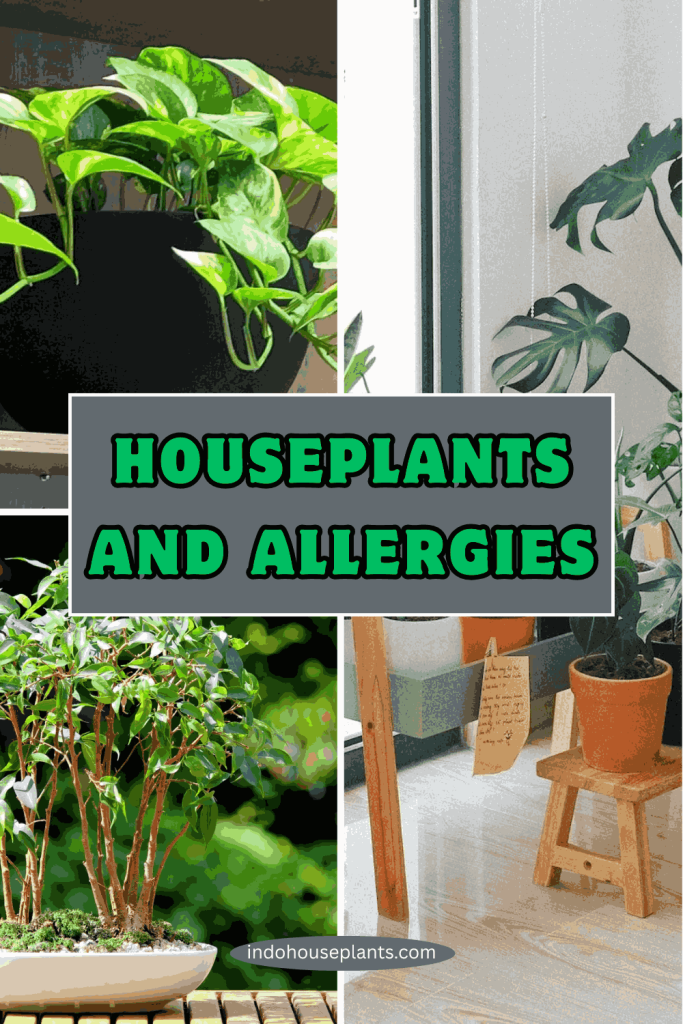
Quick Answer Up Top (TL;DR):
Houseplants look nice, but they don’t significantly clean indoor air or help allergies or asthma in real homes. In fact, some can make things worse by harboring mold or pollen. If you want to try a plant, choose a low-pollen, low-water variety like a snake plant or succulents, and keep a close eye on your symptoms. For real allergy/asthma relief, focus on HEPA air purifiers, regular cleaning, and good ventilation.
Let’s get real about “air-purifying” plants and allergies or asthma—because you deserve honesty, not hype.
The Real Science:
That NASA study you’ve probably heard about? It was done in sealed labs, not in homes with open windows, pets, and everyday life. To make a dent in air quality, you’d honestly need dozens and dozens of plants per room.
Even then, opening a door or window resets everything. In short: houseplants don’t act as natural air filters in the way ads make it sound.
The Allergy & Asthma Side:
Here’s the important part no one talks about:
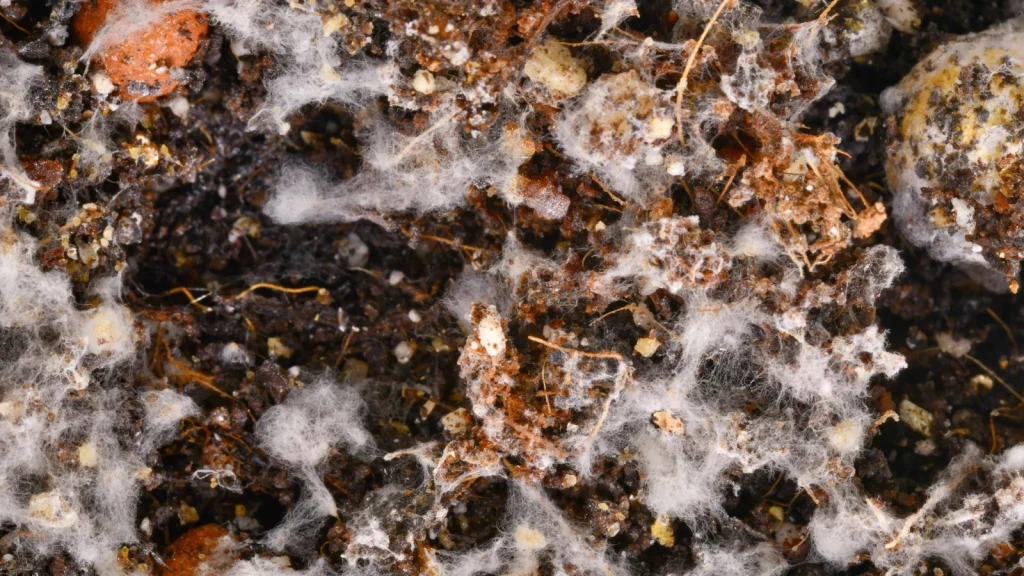
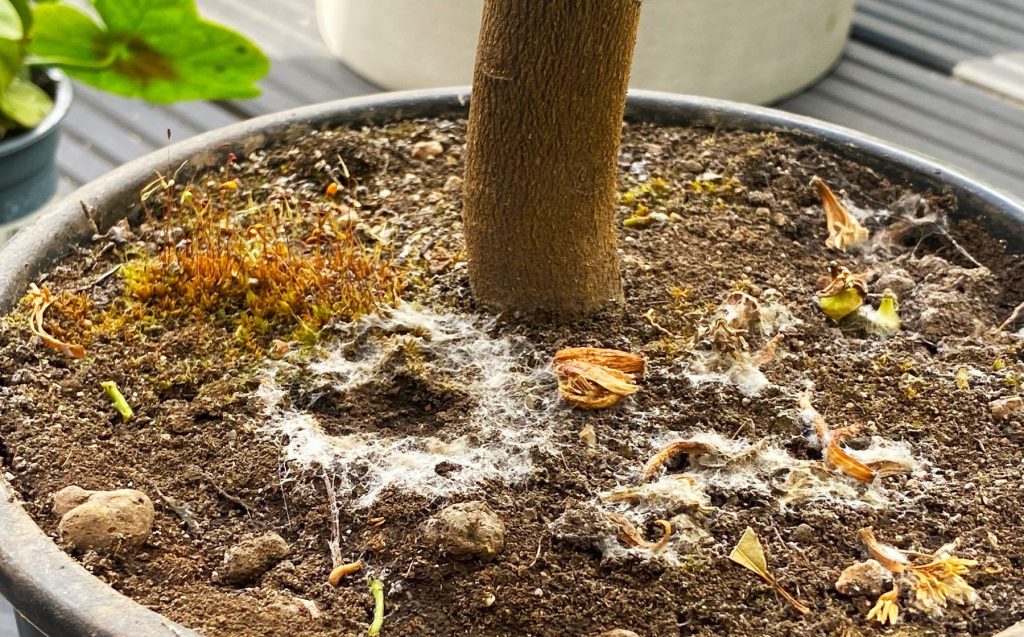
- Plant soil can grow mold. Even careful watering can lead to moldy soil, which is a huge trigger for people with allergies or asthma.
- Some plants make pollen. Surprise! “Air-purifying” plants can flower, releasing pollen—another problem for sensitive folks.
- Plant smells and dust. Some people react to the earthy smell or the dust that collects on leaves.
Safer Plant Choices (If You Really Want One):
If you love the idea of greenery, start with just one plant and see how you feel. Good options:
- Snake Plant (Sansevieria): Nearly impossible to kill, very little pollen, and thrives on neglect. Just wipe the leaves to avoid dust.
- Spider Plant (Chlorophytum): Low-maintenance and rarely flowers indoors if kept in moderate light and allowed to dry out between waterings.
- Succulents (like jade plant or echeveria): Like to stay dry, so less chance for mold, and they don’t flower much inside.
- Maybe: Peace Lily – Only if you know you’re NOT sensitive to fragrances or damp soil. For many, it’s a no-go.
Plants to skip: Ferns, rubber trees, flowering varieties, or anything fuzzy-leaved—these often collect dust or release pollen.
What Actually Helps with Allergies & Asthma:
Here’s what made the biggest difference in my home—not plants, but these habits:
- Run a HEPA air purifier in the bedroom or main living area.
- Vacuum with a HEPA filter (especially if you have pets).
- Change sheets weekly and wash them in hot water.
- Keep humidity between 40–50% with a cheap hygrometer and, if needed, a dehumidifier.
- Declutter—less stuff means less dust.
For a deeper dive into the most effective strategies, the EPA’s guide on improving indoor air quality is an excellent resource.
If You Want to Try a Plant:
- Start with just ONE.
- Pick a hardy, non-flowering type.
- Let soil dry out between waterings.
- Watch for sniffles, itchy eyes, or worse breathing. If you notice anything, move the plant outside or rehome it, and see if you feel better in a week or two.
- Clean leaves every week with a damp cloth.
Most Important:
You are not failing if you skip houseplants. Your lungs matter more than a Pinterest-worthy living room. If you ever feel unsure, trust your body and talk to your doctor—not the latest internet trend.
Bottom line: Houseplants might look nice, but they aren’t a magic fix for allergy or asthma problems. Focus on proven solutions, and if you still want a touch of green, start slow and listen to your body. Your comfort and health come first, always.