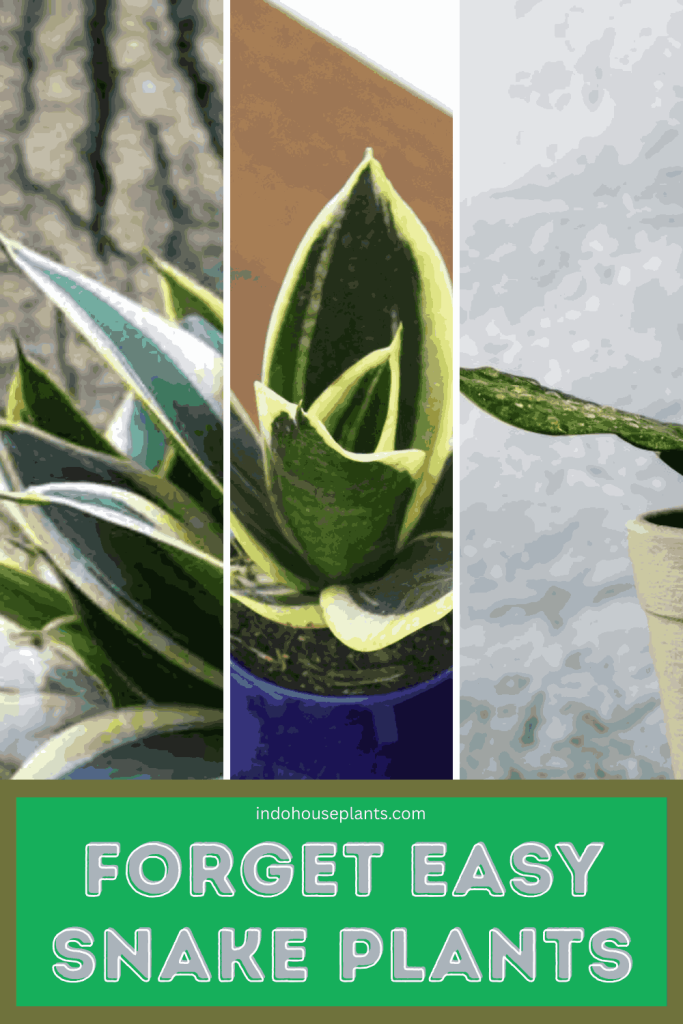
Forget everything you’ve heard about “classic, foolproof snake plants”—and let’s get real for a second. Most guides lump all snake plants into a handful of categories, hand you a dusty checklist (look for tall! Look for yellow edges!), and send you on your merry way. But if you want a houseplant that actually fits your lifestyle—and won’t end up shriveling in the corner or turning into an accidental science project—you need to zig where everyone else zags.
Here’s the exciting part: Snake plant varieties aren’t just about looks. They each have hidden quirks, surprising personalities, and frankly, some are dramatically tougher (or fussier!) than others, no matter what the “indestructible” crowd says. After killing more than one so-called easy plant (I’ll admit it—RIP to my first Bird’s Nest ‘Hahnii’ back in 2018), I’ve uncovered what really matters when picking your perfect variety… and it just might go against everything your local garden center recommends.
Let’s shake up the status quo and find out which snake plant is truly right for you. Ready? You’ve got this.
Stop Hunting for “Rare” Varieties—Start Matching Your Plant to Your Life
Here’s what most people don’t know: The obsession with rare or variegated versions (‘Bantel’s Sensation’, anyone?) is mostly hype. Honestly, I once spent $40 on a ‘Moonshine’ cutting that looked stunning… until it languished in my cold entryway and turned mushy by December. Why? Turns out, some of these Instagram-darling types hate drafts and low light even more than fussy ferns do.
If you’re the type who forgets to water until you see dust bunnies skateboarding by—stick to toughies like:
- Sansevieria ‘Zeylanica’: This muscle car of snake plants shrugs off nearly anything. Mine went three weeks without water while I was camping across Colorado last summer. No drama.
- Sansevieria cylindrica: Where others flounder in air conditioning or hot rooms, those cylindrical leaves roll with the punches—and look wild braided together for bonus style points.
Don’t be fooled by size either. The compact ‘Hahnii’ looks beginner-friendly, but its shallow roots actually dry out faster; if you live somewhere absurdly dry (like me in Denver), that means checking soil constantly unless you want crispy leaves.
Here’s my contrarian advice: Go big unless space truly doesn’t allow it. Larger pots hold water better—less maintenance for forgetful folks!
Why Leaf Shape Tells You More Than Any Plant Tag Ever Will
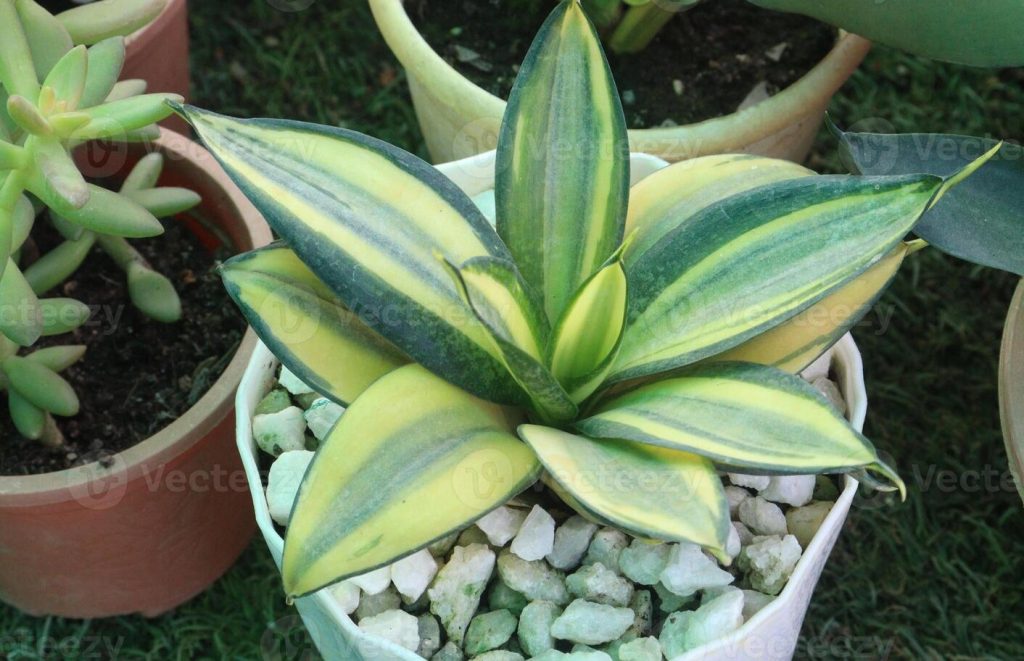
Most people obsess over labels—but here’s where they steer wrong: those fancy Latin names aren’t always trustworthy (garden centers mix them up all the time). Instead? Look at the shape:
- Tall & flat = likely thrives on neglect (‘Laurentii’, ‘Zeylanica’)
- Short rosettes = need more love (‘Hahnii’ especially wants stable moisture and warmth)
- Tubular/cylindrical = built for abuse
Personal twist: My own scavenger hunt at an urban nursery ended with me ignoring the tags altogether—I actually picked my favorite based on how much it made me laugh (“those leaves look like asparagus spears!”). Seven years later, those oddball cylindricals are still thriving beside my radiator where even pothos gave up.
What Nobody Tells You About Lighting Snake Plants
The default advice is always “snake plants love low light.” Here’s something not enough people mention: Sure, they survive—it doesn’t mean they’ll thrive or show off their wildest colors/slashes unless you experiment with brighter spots.
Case in point: My friend Lucie left her ‘Laurentii’ tucked near the bathroom floor (zero windows); after six months? Muted stripes, sluggish growth. We moved it near her kitchen table instead—out of direct sun but plenty bright—and honestly within six weeks the yellow edges came back with shocking intensity (“Did someone repaint this?!” was her actual question).
Secret tip: Rotate your pot every time you water—that prevents leaning and keeps stripes symmetrical. Trust me—I learned this after waking up one day to a droopy Leaning Tower of Sansevieria… oops!
Watering Wisdom from Failed Experiments
You know all those blogs that shout “only water every month!”? I followed them religiously at first—a perfectly good ‘Whitney’ turned brown because my apartment hit 85°F during a heatwave and I stubbornly waited four weeks before watering again!
Here’s what worked instead:
- Touch-check soil two inches down each week no matter what
- Use terra cotta pots when possible—they breathe better (plastic ones trapped humidity and led to root rot… lesson EXPENSIVELY learned)
- Skip misting—the only thing that ever gave mine was mold
- Bottom line: Flexible routines >> static schedules
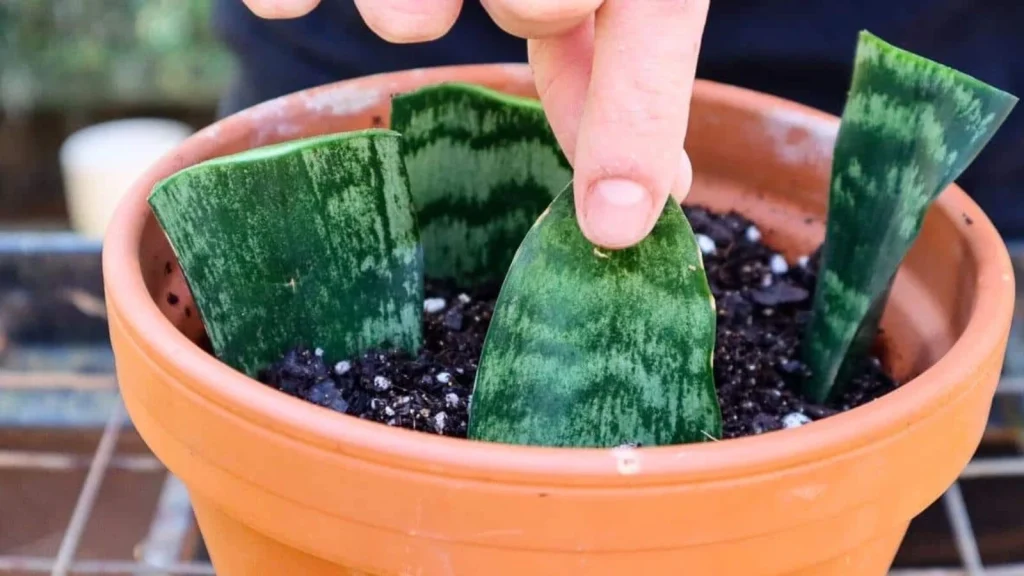
The great news is if/when disaster strikes? Don’t toss sad-looking plants immediately! Snake plant leaves can regrow right from chunky roots; just trim mushy bits and let dry for a day before re-potting lightly moist soil. Witnessed it myself after forgetting one outdoors overnight during an April frost—surprising comeback!
The Conversation That Changed Everything
Years ago I nervously asked a nursery owner: “How do you pick a GOOD snake plant?” He grinned—a kindred enthusiast—and replied:
“Close your eyes. Crack one leaf gently between your fingers; hear that snap? It should sound crisp—not juicy.”
That tactile trick saved me from buying several over-watered duds since then.
My Final Contrarian Takeaways (& A Nudge Forward!)
- Forget chasing labels—pick by toughness AND texture.
- Bigger pots mean fewer headaches (aka less watering panic).
- Embrace imperfect placement; move your new friend around until BOTH of you are happy.
- If variegation fades in winter…it will bounce back come spring/summer.
- Enjoy the quirks as much as any blooms—each plant has its own rhythm!
Snap progress pics not for social media likes but as proof that caring improves with time—even if your first attempt wasn’t picture-perfect (it rarely is!). Share stories with friends or swap clippings—you’ll build both skill AND community along the way.
Your next great houseplant adventure starts now…and remember, there are no snake plant police judging your pot placement or watering schedule! Trust yourself—happy growing!