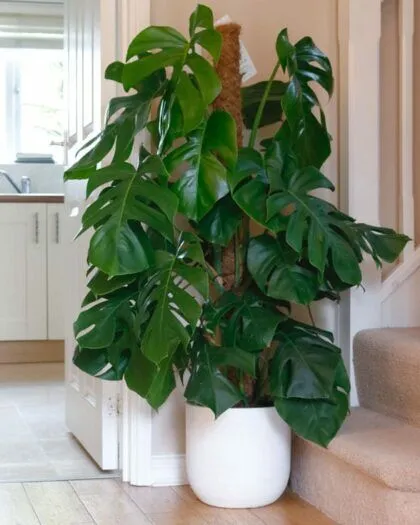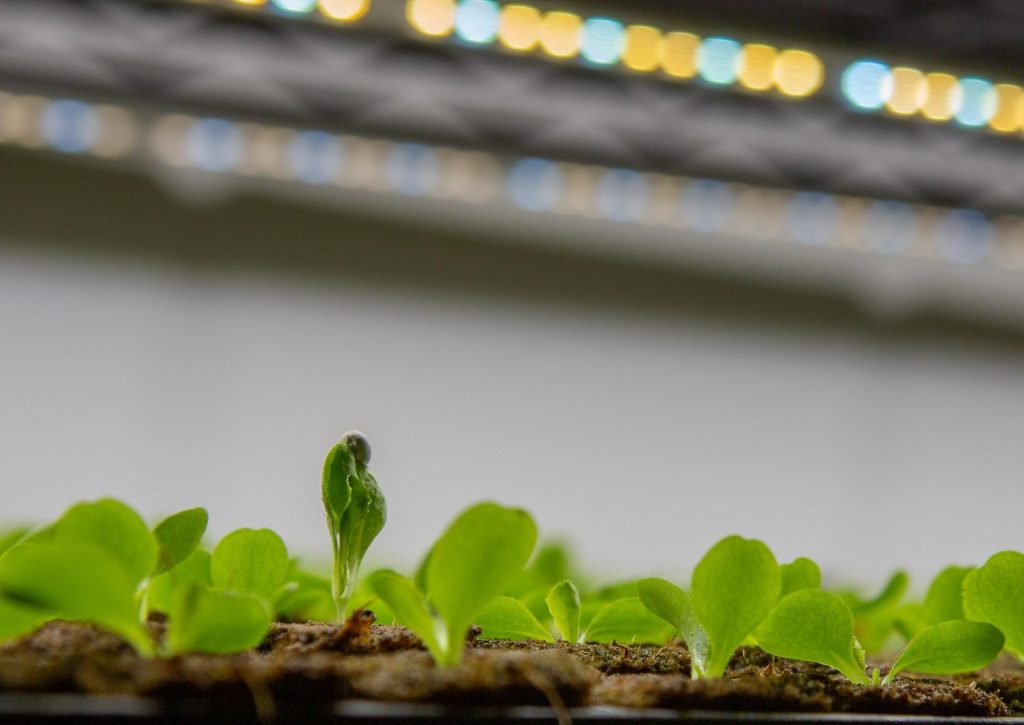
That feeling of walking into a sun-dappled living room, seeing your tropical plant leaves arching elegantly towards the light—it’s addictive. But here’s what nobody tells you: behind that lush Instagram shot, there are probably a few crispy leaves in the trash and a watering can with “regret” written all over it.
I’ve nursed a Parlor Palm back from death-by-mildew, and once lost a prized Calathea to an enthusiastic but misguided roommate with a spray bottle. Let’s skip the “perfection” and get honest about the real mistakes people make with tropical foliage houseplants—and how you can sidestep them.
Overwatering: The Classic Heartbreaker
Honestly, the urge to care for your plants usually leads straight to their soggiest downfall. Early on, I killed my first Monstera with kindness, convinced more water equaled more jungle vibes. Spoiler: roots need to breathe as badly as they need a drink.
Pro-Tip From the Trenches:
Don’t just poke the soil and call it a day. I keep a cheap wooden chopstick next to my plants—stab it in, pull it out. If it comes out clean, it’s dry enough. If dirt sticks, hold off. Chasing yellow, wilting leaves with more water is like treating a sunburn with a tanning lamp.
Here’s what most people don’t know:
Even in the tropics, these plants often have dry periods. It’s the humidity, not soggy soil, that keeps them happy.
Not Enough Light: The Silent Saboteur
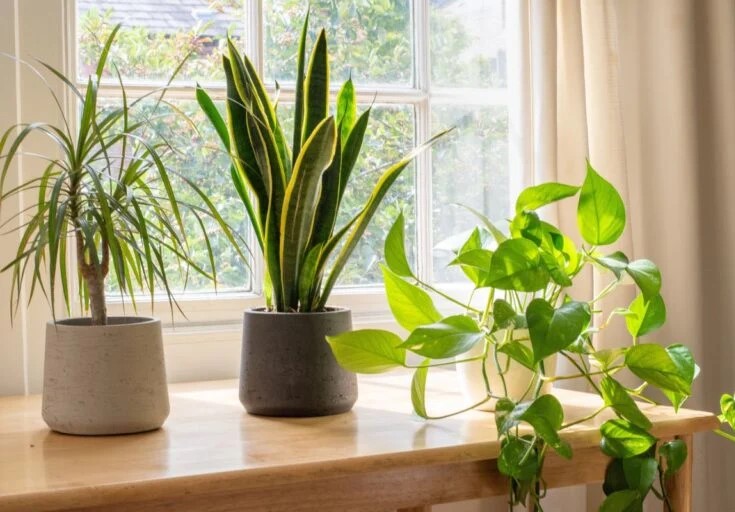
I used to think any plant labeled “indoor” would be fine anywhere indoors. Nope. Most of your favorites—Monsteras, Philodendrons, even Peace Lilies—are desperate for good light. You want “dappled shade,” not “shady dungeon.”
Real-World Hack:
Test your light by holding your hand between the plant and the window. Crisp shadows? Good. Fuzzy or none? Time to scootch that plant closer or invest in a cheap clamp-on grow light. My Anthurium only started flowering after I stopped hiding it behind my bookshelf.
Here’s what most people don’t realize:
A plant can survive in dim corners, but it will put out floppy, pale leaves. For Instagram-worthy growth, the magic is really in the light.
Humidity: The “Invisible” Essential
If your calathea edges are browning no matter how much you water, you’re probably blaming the wrong thing. I learned my lesson living in an apartment with a heater cranking 24/7—the air was Sahara-dry. No amount of misting could help.
Practical Fix:
Batch your plants together. It’s not just for aesthetics—clusters actually raise local humidity. Place a tray filled with pebbles and water near your neediest plants (but keep roots above water). If you’re serious, invest in a humidifier—especially if you have ferns or prayer plants. I run mine all winter and my ferns finally stopped looking like overcooked kale.
Common myth:
Misting is a fun ritual, but it doesn’t do much for true humidity lovers unless you’re standing there misting every 10 minutes. Focus on ambient humidity instead.
Soil: Your Plant’s Foundation
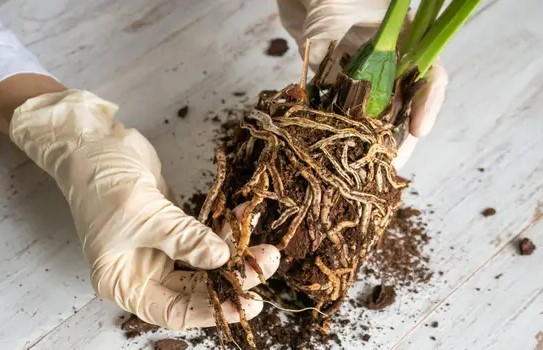
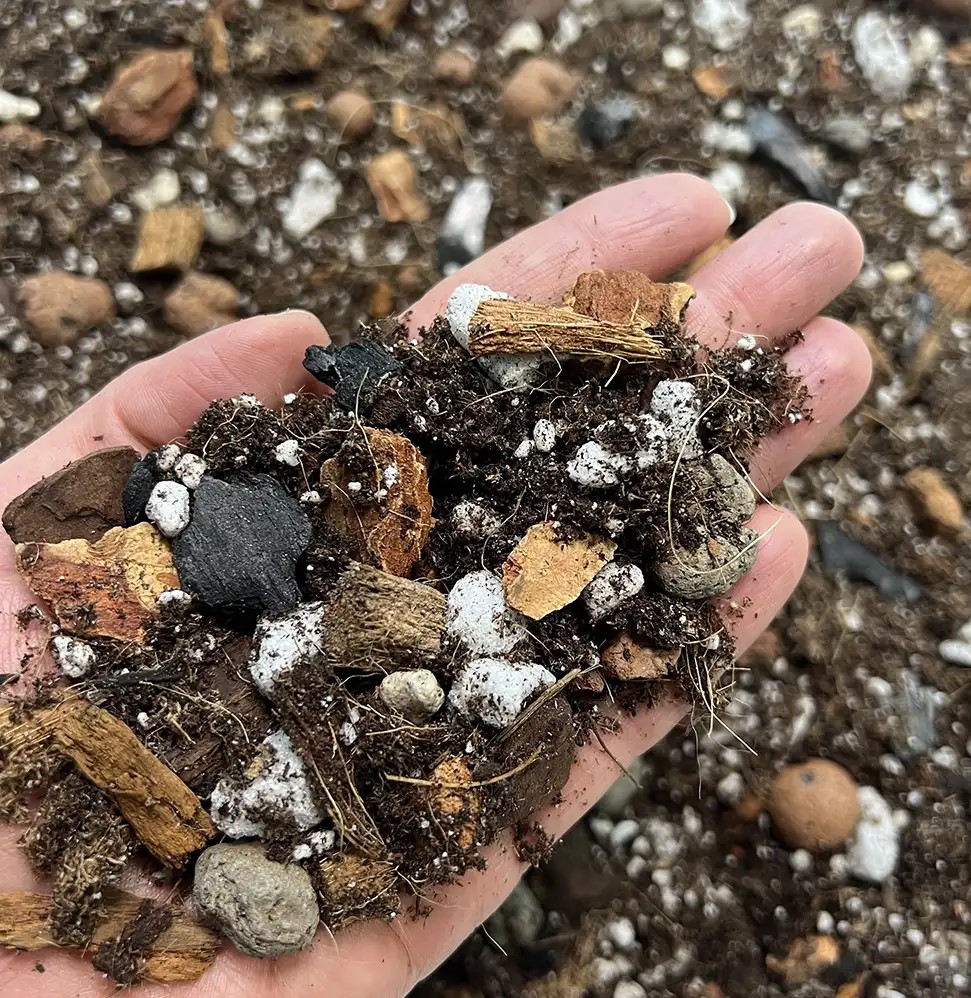
My “aha!” moment was finally scooping my Peace Lily out of its dense, bargain-store soil and into something chunky—half potting mix, half orchid bark, splash of perlite. It perked up in a week, roots finally able to stretch and breathe.
Insider Trick:
If you water and it just sits on the surface, or you notice a musty smell, the soil is probably suffocating your roots. Mix your own blend (I use 2 parts houseplant potting mix, 1 part perlite, 1 part orchid bark for most tropical foliage).
Most people overlook:
Roots spiraling around the bottom of the pot are a cry for help—repot, don’t just top-water and hope.
Forgetting the Food
You’d never expect a puppy to grow on water alone, but somehow we expect monsteras to. My own “aha!” was watching a pale, slow-growing pothos suddenly explode with color after a dose of balanced fertilizer.
Game Plan:
Feed a diluted (half-strength) houseplant fertilizer once a month in spring/summer. Pause in winter—trust me, more is not better if your plant isn’t using it. (Learned the hard way: fertilizer burn is real.)
Key takeaway:
Yellowing and slow growth in warm months usually isn’t a water problem—it’s a hunger problem.
Leaf Care: The Missed Opportunity
Who knew a damp microfiber cloth could be a plant’s best friend? Not only does cleaning dust boost photosynthesis, but it gives you a front row seat to inspect for spider mites or scale before they set up camp.
Personal Habit:
Whenever I water, I scan leaves for dust and pests. A quick wipe keeps them glossy and reveals any early trouble. My fiddle leaf fig once came back from near-death just by removing a crusty layer of filth.
Hidden benefit:
Regular cleaning is a natural pest deterrent—bugs love neglect.
Real-Life Curveballs
- A week away and your dieffenbachia is limp? If the soil’s bone-dry, water deeply, wait, and consider bottom watering next time (add water to the saucer and let the plant soak up).
- Brown-tipped Anthurium on your work desk? Move it a foot away from the heater vent and buddy it up with two pals for shared humidity.
- No drainage holes? (Looking at you, decorative gift pots.) Drill some, or drop the nursery pot inside as a “liner.” I once lost a snake plant to root rot before learning this lesson—never again.
Here’s What Most People Don’t Know
- Plants aren’t “set and forget.” They’re moodier than cats. Even the same plant will act differently in different seasons or spots.
- Online plant people LOVE a photo and a story—post your struggling plant and crowdsourced wisdom will pour in. A great place to start is the friendly community at r/houseplants on Reddit.
- Most setbacks are temporary. I once thought I’d lost a Calathea after a winter leaf massacre—but come spring (and with humidifier help), it bounced back, better than ever.
Quick Action List from a Fellow Plant Survivor
- Do the “chopstick test” before every watering.
- Watch the shadows—move your plant if they’re barely there.
- Wipe down leaves while you listen to your favorite playlist.
- Shuffle needy plants together when the air dries out (especially in winter).
- If drainage or soil feels off, repot into something airy—even a basic mix with bark and perlite works wonders.
- Feed, but don’t overfeed. Dilute, and only during growth spurts.
- Next time you’re stumped, post a pic on Reddit’s r/houseplants or join a local Facebook group.
Bottom Line: Progress Over Perfection
Everyone flubs it at first. My most impressive Monstera has bounced back from lost leaves, forgotten waterings, and even a fall from a windowsill. Now it’s monstrous—in the best way. Small, consistent tweaks far outpace one-time heroics.
Get familiar with each plant’s quirks and enjoy learning as you go. Every new leaf feels like a little green trophy. Your indoor jungle is always a work in progress—and that’s the fun of it.