Let’s be honest: most of the chatter about money plants is either wishful thinking, social media hype, or recycled advice (“just water it when dry!”). Here’s what matters if you’re after results, not just another Instagram-ready green prop gathering dust (or, worse, gnats) in the corner.
Money Plant Myths vs. Reality
Everyone gushes about money plants as luck magnets, foolproof for beginners, and beautiful little symbols of prosperity. But here’s what most people don’t know: half the “luck” is actually just common sense environmental psychology. Plants don’t manifest cash—what they do is remind you to care for something and to create a more organized space… which tends to make you behave a bit more intentionally with your actual money.
My first “lucky” plant—a Jade—was a gift during rocky financial times. For months, nothing changed (except I noticed how often I overwatered). It wasn’t until I connected that regular plant care was forcing me to slow down and notice small changes that things started clicking. This habit shift did more for my life than any supersonic lucky aura floating off those leaves.
Let’s Get Precise: Which “Money Plant” Do You Mean?
Here’s where everyone gets tripped up. Walk into ten plant shops and say “money plant”; you’ll likely leave with three different species:
1. Epipremnum aureum (“Devil’s Ivy”)
My verdict? Most forgiving if you neglect everything except utter abandonment.
- Thrives in crummy light
- Survives a weeklong vacation without drama
- Fast-growing enough to forgive lousy pruning
2. Crassula ovata (Jade Plant)
- Withstands chronic under-watering but will punish you for soggy roots every time
- Leaves feel rubbery; drop off if annoyed but usually bounce back if you learn your lesson
- Businesses love these for their hardiness disguised as wealth feng shui
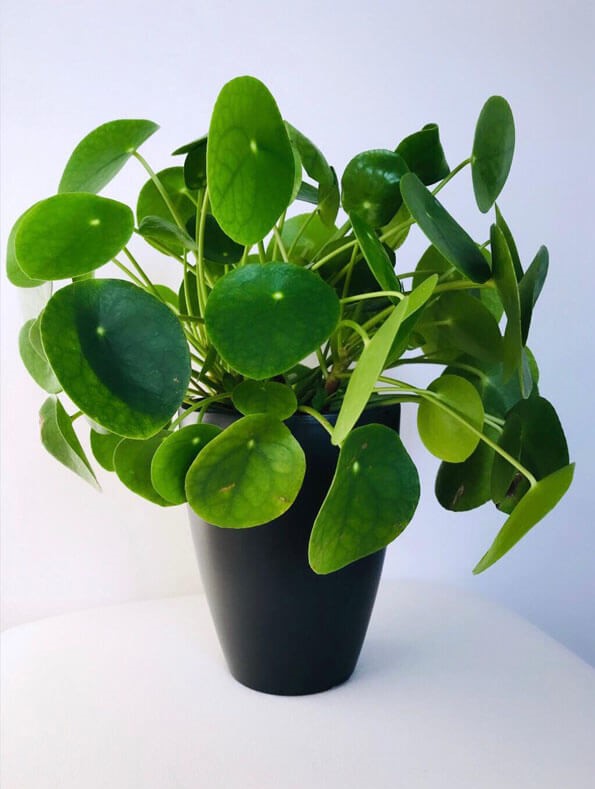
3. Pilea peperomioides (Chinese Money Plant)
- Truly looks like coins scattered on stems—if cash grew on trees!
- Despite their “beginner-friendly” rep, they hate being moved around constantly (ask me how I know)
- Over-coddle them and you’ll end up battling root rot sooner than expected
If you’re just starting out and worried about killing your first green charge, skip the trendy Pilea altogether—go straight for Devil’s Ivy or Jade.
Contrarian Tips No One Else Shares
Skip the fluff—here’s what makes actually keeping a money plant alive dead simple:
1. Ignore the Calendar Watering Schedules
Every blog says water “once per week.” That routine killed my first two plants! The reality is indoor humidity and fluctuating temperatures change everything.
What works:
Pick up your potted plant every other day right at sunrise (before daily chores distract you). A pot that feels feather-light = time to water soon; heavier means hold off. After a few weeks of this rhythm, the guesswork vanishes—even better than sticking your finger in the dirt like everyone else says.
2. The Pot Is Everything
I tried fancy planters without drainage holes because they looked sleek on Pinterest… both plants developed root slime within weeks.
Order-of-operation: Cheap plastic nursery pot with holes INSIDE whatever decorative shell pot fits your style = no more accidental root smothering + instant glamour fix.
3. Fertilizer? Only When You See Growth
Bottles urge feeding monthly, but if your room temp drops below 65°F at night—even in spring—growing slows and feeding becomes pointless (or burns fragile new roots).
What do I actually use? Once March rolls around and new leaves sprout fast enough to notice weekly changes—that’s when I dilute a liquid fertilizer like Miracle-Gro by half strength and feed lightly, maybe every six weeks instead of four.
Mistakes Make Masters: What Went Wrong First Time Around
My third attempt at Devil’s Ivy ended badly thanks to desk placement close to an ancient office radiator—as soon as heating season started, every leaf went yellow/brown from air that felt like baking potatoes.
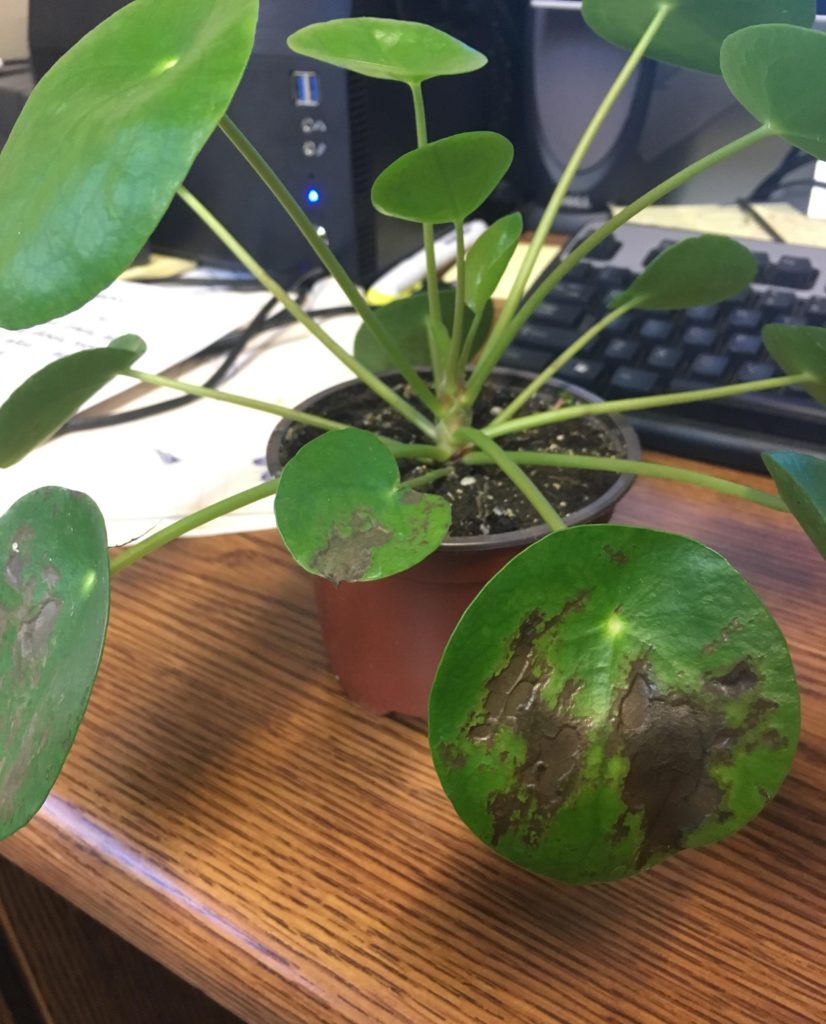
Second mistake: believing sunniest windows equal happiest plants—instead got tiny brown sunburn patches on Pilea from two hours’ direct afternoon rays.
If stuff goes sideways (wilted leaves, dropped growth), don’t panic—it usually reverses by moving away from radiators/sun/over-watered soil + patience.
Unconventional Hacks That Changed Everything
Here are tricks nobody told me:
- Group Your Plants – Not only looks intentional but boosts local humidity so even forgetful folks stand a chance.
- Name Your Plant Something Ridiculous – My current Jade is called “Recession-Proof Rita”—sounds silly but makes checking its condition oddly satisfying.
- Never Buy Large Specimens First – Big = old = less adaptable indoors; start small so both of you can adjust together.
Real Results Matter More Than Belief
I’ve watched friends sink hundreds into ‘rare’ varieties hoping the next addition would change their luck or their moods—with all due respect, unless you’ve created some daily hands-on interaction with that plant (checking leaves for pests while waiting for morning coffee counts!), it’s just decor.
What does work? One healthy starter near common walkways—a hallway shelf or entrance table—where you’ll see it morning and night without thinking about it too hard. For more on the psychological benefits, the Royal Horticultural Society has a great article on how plants can improve wellbeing.
Here’s My No-Nonsense Starter Plan
- Pick the simplest option available in your local shop (usually Devil’s Ivy).
- Keep it somewhere you’ll unconsciously check on it daily—bathroom counter or near kettle.
- Ditch fixed watering schedules; handle your pot instead.
- Feed only when new buds actually appear.
- Don’t sweat yellow/spent leaves—trim them cleanly with kitchen scissors; keep moving.
- If it starts looking rough after a month or two? Repot into fresh soil—a $3 bag from any hardware store beats miracles promised online every time.
- Celebrate progress—not perfection—and remember one living leaf beats a shelf full of dying foliage any day.
The truth is: caring for a money plant won’t win lotteries…but build this habit anyway and watch how consistency pays off elsewhere in life—including where bank balances really grow: through discipline over magic beans.
Skip anything labeled “instant prosperity.” Do what works every day instead—you’ll end up wiser, greener, richer by effort—not by myth!