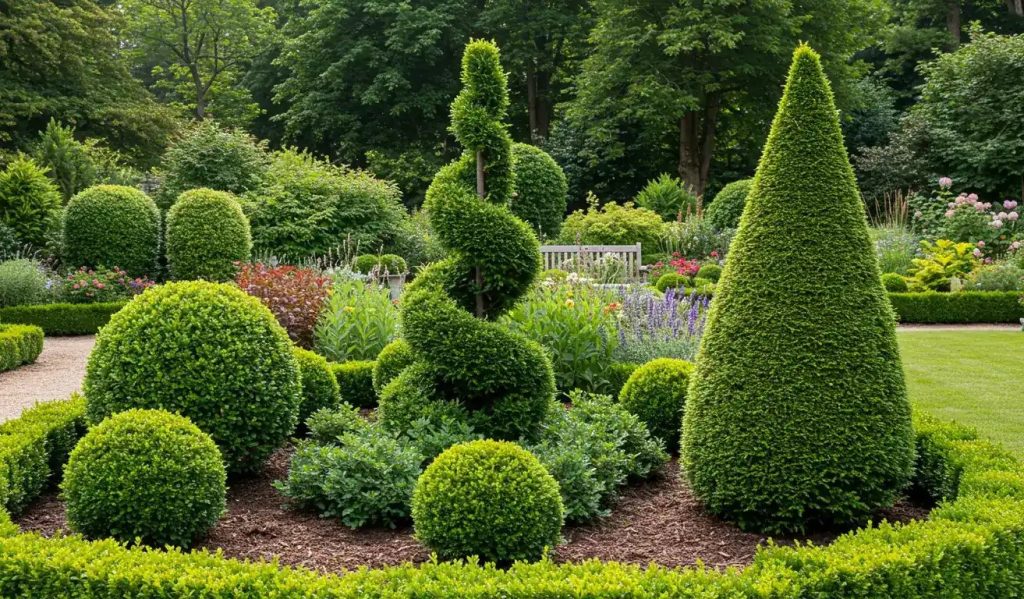
Topiary isn’t just pruning; it’s a living art form that turns ordinary shrubs into expressions of creativity rooted in nature. When I first started shaping my own boxwoods into playful spheres and gentle cones, I was surprised at how calming the process became—like a quiet conversation with the plant over weeks and months. What drew me in wasn’t perfection, but the slow unveiling of form and life shaped by my hands.
Getting Real About Artistic Topiary: Where to Begin
If you’re feeling a little intimidated, that’s totally normal. The key is to think of topiary less as a fine art and more as an evolving experiment. You’re essentially sculpting a living, breathing piece. I learned early on that patience beats precision—plants forgive far more than you expect, and each season brings opportunities to refine your work.
Choosing Your Plant
I can’t overstate how much the right shrub shapes the experience. Boxwood is the classic go-to not just because it looks neat, but because it’s forgiving with trimming and dense enough that mistakes are easy to fix. Yew is a favorite if you want deep green color all year and a bit of sturdiness. When I branched out, I tried using holly for its glossy leaves, which added texture and interest. For beginners, pick something healthy and fit for your climate to avoid frustration.
Start Simple, Think Big
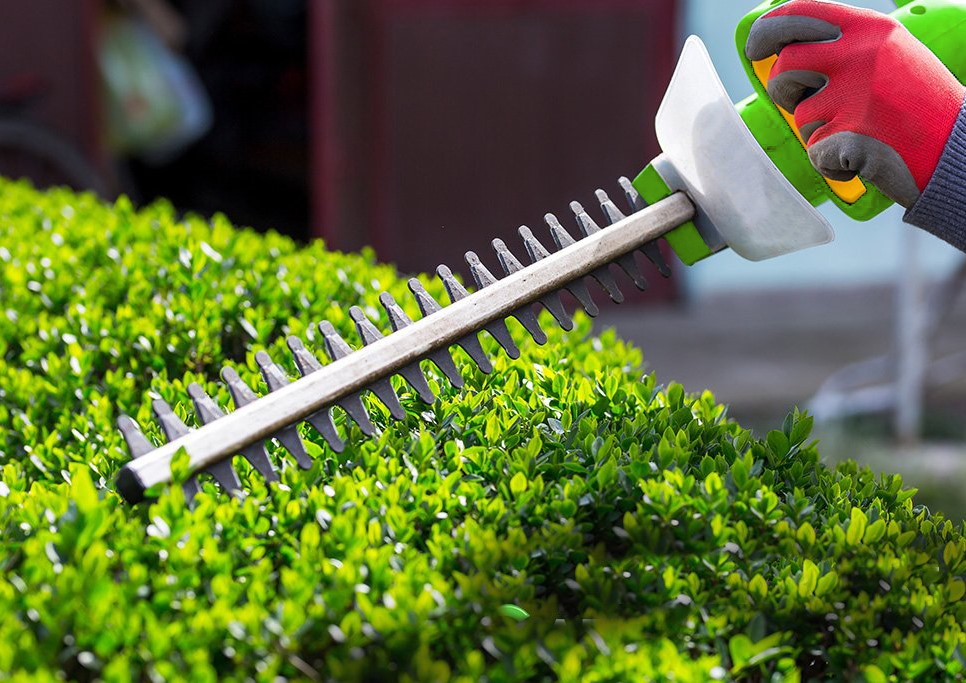
Starting with spheres or cones feels so manageable, it gives you a quick sense of progress and boosts confidence. I always recommend investing in a good pair of sharp hand shears—the difference between a clean cut and a ragged rip is huge for the health of your shrub. Hedge trimmers are great, but only once you’re comfortable with smaller, detailed snips.
How I Approach Shaping My Topiary
Instead of rushing, I observe my plants for a week or two before touching them—getting to know which way the branches reach, which parts get denser, which spots need more light. This helps me plan the shape organically, rather than forcing a design.
Here’s a trick most don’t realize: Lightly marking your intended outline with chalk on leaves or tying strings around the shrub turns a vague idea into a concrete guide, keeping you from over-pruning.
Pruning in stages is a game-changer. I’ll remove big wayward branches first, then step back and let the shrub “breathe” for a few days before refining edges. It’s like carving—one big chip then gradual smoothing.
You’ll find your topiary becomes a project that evolves with the rhythm of the seasons. Don’t worry if it’s uneven at first; uneven growth is natural and part of the charm and challenge.
Real-Life Inspirations That Sparked My Imagination
Some of the most inspiring topiary I’ve seen are whimsical animal shapes tucked in local parks—think boxwood rabbits poised like they might hop away. I also love the classic spiraled cones that bring playful movement to a formal garden.
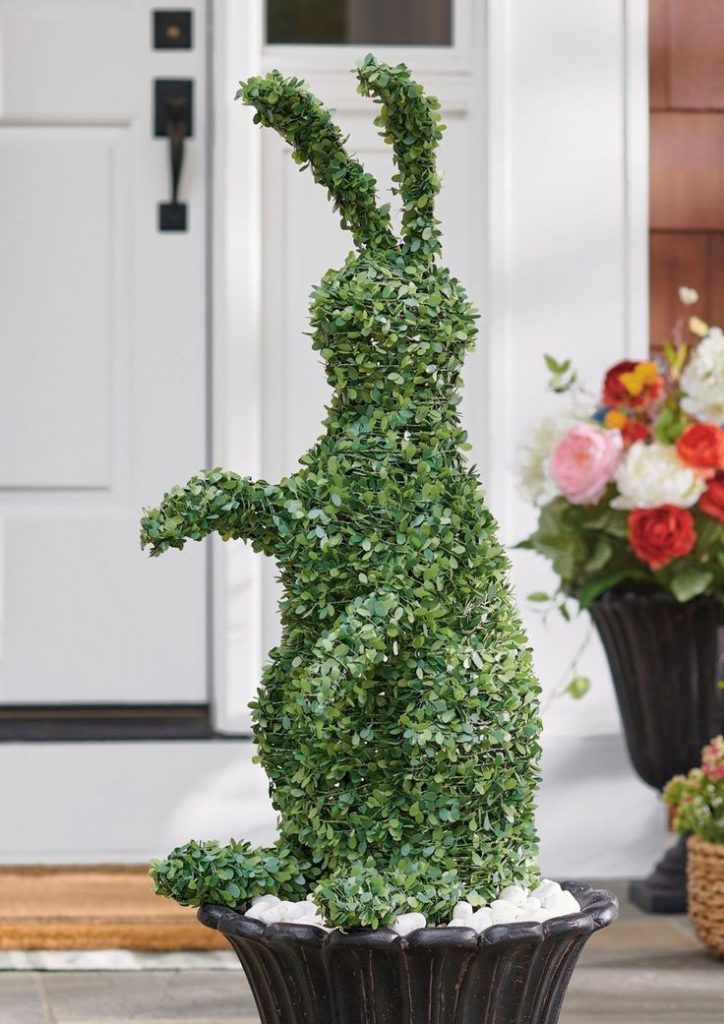
When you see these forms, remember the secret: they’re just plants patiently pruned over time, not overnight masterpieces. Your first project might be a humble green ball, and that’s perfectly fine.
Troubleshooting Tips from Personal Experience
- Uneven or Sparse Growth? A few seasons in, I noticed parts of my boxwoods refused to fill in. What helped was alternating trimming with light fertilizing and consistent watering.
- Brown Branches Showing Up? Deadwood can sneak up on you. Inspect monthly and snip away dry or damaged branches immediately.
- Getting Too Caught Up in Perfection? Learning to accept “good enough” and see the plant’s growth as part of the art changed my approach.
- Shear Slips and Rough Cuts? Keep tools sharp and clean—ragged cuts tear plant tissue and slow recovery.
Why Artistic Topiary Is Worth Your Time
For me, topiary is a meditation—a way to slow down, step outside the digital rush, and engage with nature in a tactile, creative way. Every snip is a tiny decision that shapes your outdoor space but also teaches patience and attentiveness.
Here’s what most people don’t realize: topiary isn’t about rigid rules, it’s about rhythm and responsiveness. The more you practice, the easier it is to tune into your plant’s needs.
How You Can Jump In This Weekend
- Visit a local nursery and pick a healthy boxwood or yew—smaller plants are perfect for beginners.
- Watch a short pruning video for reassurance.
- Sketch simple forms (sphere or cone) in a notebook.
- Set aside 20-30 minutes to lightly prune stray branches.
- Join a Facebook gardening group for motivation and tips.
Topiary transforms a garden from just a collection of plants into a living gallery full of personality and wonder. Give yourself permission to play, explore, and learn.