The Unvarnished Truth About Air Filtering Plants
What Really Happens (and What Doesn’t)
The reality is, those glossy Instagram posts promising a jungle will “completely detoxify” your space? Take’em with a big pinch of potting soil. Most houseplants do remove toxins like formaldehyde or benzene—but not at miracle levels. The NASA study everyone quotes was done in tightly sealed chambers with far more plants per square foot than you’d ever want crowding your kitchen window.
But freshening your immediate space? Making things smell less like last night’s takeout or that chemical whiff after cleaning? Absolutely—especially if you choose wisely and place your plants where you’ll actually sit or sleep.

What Most People Don’t Know (Insider Edition)
Let’s be honest: I’ve killed more peace lilies than I care to admit before finding out why. Turns out, they’re drama queens when it comes to watering—they look dead when thirsty but bounce back fast. Same goes for spider plants if you forget them behind the toaster for a week. Here are some seriously overlooked details:
- Snake Plant Stamina:
Back in 2019, one of my old Sansevierias survived three months alone during a summer sublet—the tenant vanished and left him in total darkness! He looked rough but perked up after a good soak and some indirect light. If you can keep rocks alive, you can keep one of these. - Peace Lily as Mold Signal:
One winter I noticed brown spots on my peace lily leaves and later realized it was tipping me off to moldy air subtle enough to avoid human noses (had a slow fridge leak underneath). These guys are better than fancy sensors sometimes. - Spider Plants’ Quiet Superpower:
Everyone talks formaldehyde removal, but here’s what matters: Put one next to anything with an outlet—wifi routers, printers, extension cords—and it’ll noticeably reduce dust gathering on nearby surfaces. Don’t ask me for the science; years of desk-corner observation don’t lie.
Setups That Actually Work
Want results beyond “hey look—a plant”? Here’s what time-tested arrangement delivers:
- Snake Plant by your bed (bonus: releases oxygen at night).
- Small Spider Plant within arm’s reach of computer gear.
- Peace Lily not just for looks but as an early warning system for sneaky water leaks or musty corners.
Pro tip: Rotate their positions every season to match changing sunlight patterns—I set calendar reminders quarterly because yeah, I forget too.
Tough Love: Can One Small Plant Make a Difference?
Here’s the truth: One healthy medium-sized plant provides localized benefits (think reading nook), but real impact takes zone strategy. Years ago I mapped fresh paint smells across my new apartment—one lone pothos close to my desk helped me, but sticking a second snake plant near the entry and another spider near the windowsill cleared remaining odors after three days instead of weeks.
If budget’s tight? Go for two smaller plants placed diagonally apart in an average bedroom (10×12 ft): you’ll notice crisper air faster than crowding four on one windowsill.
Pet Hazards They Don’t Tell You At Garden Centers
Pet-proofing isn’t just avoiding poisonous leaves; it means knowing which ones bounce back after being munched. My old cat Sherlock devoured three pothos shoots before learning they taste terrible—no vet bills thanks to prompt leaf removal. For true peace of mind:
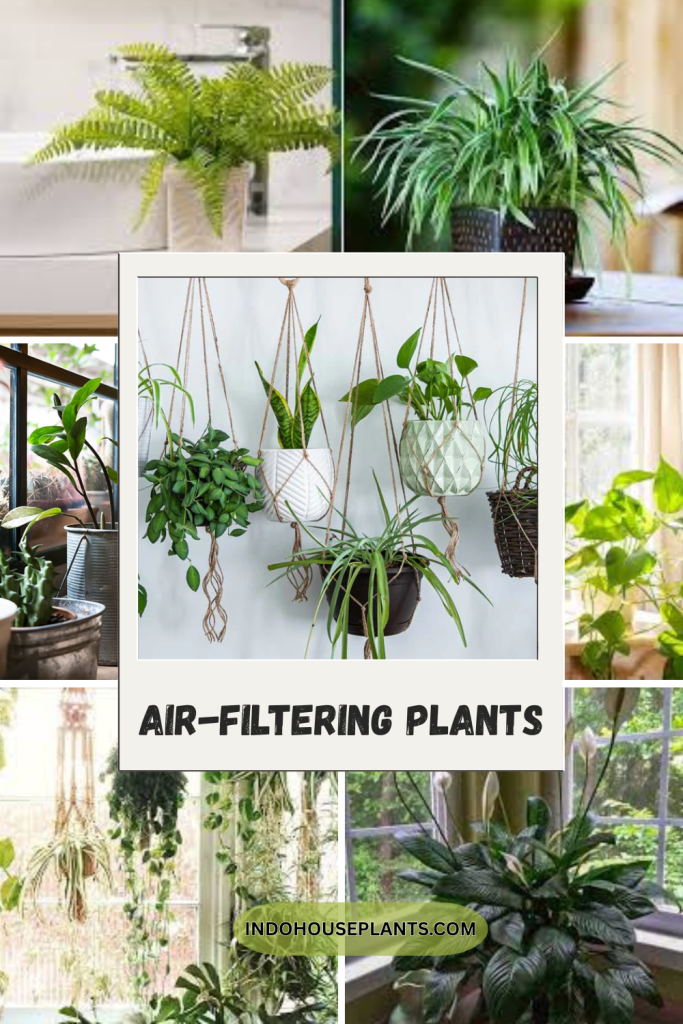
- Boston ferns and spider plants are safest.
- Snake plants/peace lilies go on high shelves unless you have flying ferrets (ask me how I know…).
ALLERGY NOTES: Wipe leaf tops monthly using damp microfiber cloths—not just water—to trap dust rather than smear it around.
How To Make Watering Absolutely Foolproof
Half my plant disasters happened because I trusted vague advice like “keep soil moist.” Skip guesswork:
- Use an $8 moisture meter from any hardware store—stick it halfway down once per week.
- If it reads dry for peace lilies/spider plants = add exactly 1 cup water.
- For snake plant = half cup every 2–3 weeks MAX.
- No meter? Lift the pot; if it feels feather-light versus last week—it needs water.
Quick warning: More plants die from loving hands drowning them than neglectful ones!
The Lighting Myth Busted
Everyone says “bright indirect light,” but let me level with you: fluorescent office lights work better than most north-facing windows during winter months—my spider plant grew twice as fast under $12 LED strips vs natural gloom outside.
On low-light survival:
- Snake plant and pothos thrive in dark corners.
- Spider plants pull through with steady ambient light (even fake lighting for 8 hours/day).
Unexpected Secret Weapons
A few discoveries worth gold:
- Activated charcoal pebbles in drainage trays—turbocharge toxin absorption.
- Gravel layering at Aloe vera’s root base—keeps roots drier without stunting growth.
- Repurpose plastic yogurt containers as temp pots—poke six holes underneath (saved dozens over years).
The Get-It-Done Plant Starter Plan
- Buy ONE easy-care plant first—my vote is always snake plant or spider (“indestructible” is not an exaggeration).
- Place it where you hang out most often—even tiny bathrooms appreciate greenery!
- Stick a printed watering chart inside your kitchen cupboard door.
- Name your plant something ridiculous (my current champion is “François le Grand Vert”).
- Schedule five minutes every two weeks for dust/water check-ins.
[IMAGE: Hand holding a small snake plant with a sticky-note watering schedule]
Final Dispatch From Someone Who’s Been There
Skip the indoor rainforest fantasies until handling two living houseplants feels effortless. And if/when mistakes happen, remember every crispy leaf tells its own story about learning what matters—not following trends blindly.
Start small; stay curious; enjoy fresher air and unexpected smiles every time you pass by!