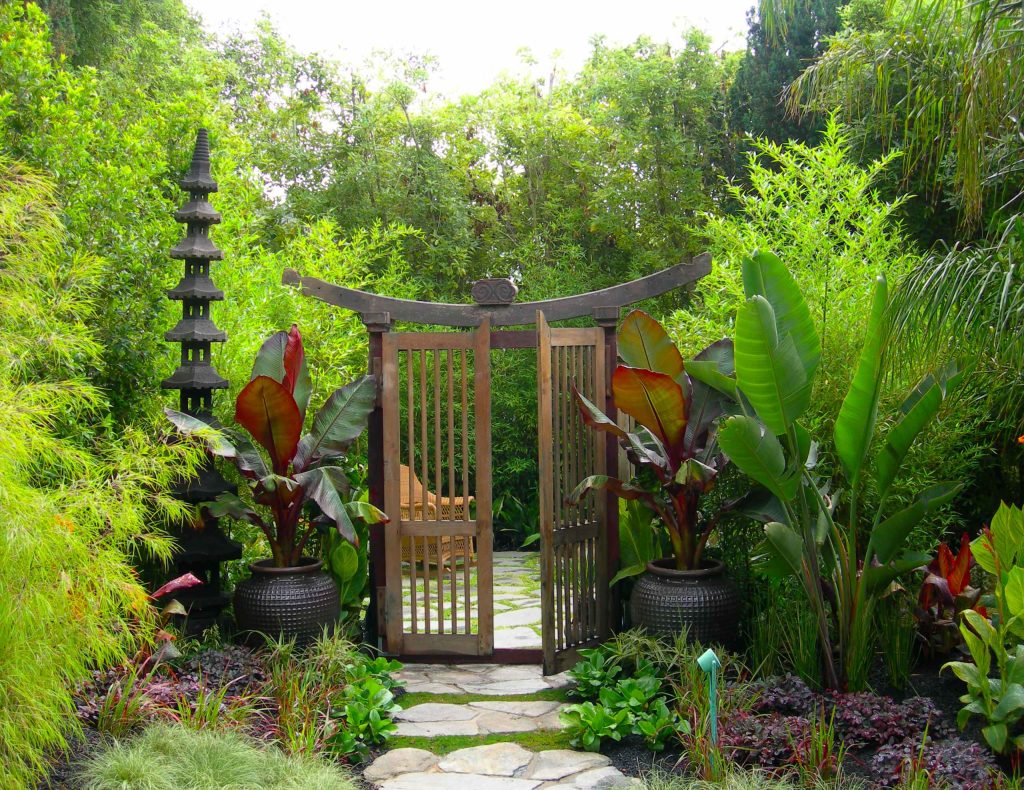
Asian garden styles have always felt like a secret doorway to another world for me—spaces where nature and culture blend so seamlessly that each visit feels like a quiet meditation in motion.
If you’ve ever stood under a flowering tree, listening to water gently ripple or admired the way carefully placed stones can carry an entire story, you know what I mean.
These garden traditions aren’t just about aesthetics; they’re living philosophies, rich with history, symbolism, and a certain magic that speaks across centuries.
When you dive into Asian garden styles, you’re not just picking out plants or paths—you’re starting a conversation between you, nature, and time.
Let me share what I’ve learned from my own explorations, visits, and even fumbling attempts to build these gardens myself, which helped me see past the typical descriptions into what really makes these styles come alive.
The Quiet Power of Japanese Gardens: More Than Just Minimalism
Most people spotlight the famous Zen rock gardens or the serenity of a koi pond when they think Japanese gardens—and with good reason.
But what struck me during my visit to a small, less-frequented garden in Kyoto was how the simplicity is a deliberate invitation to slow down.
It’s not about filling space with plants or structures but about creating pauses. The rocks aren’t random; they’re carefully chosen and placed to represent mountains, islands, or even abstract ideas like stability and impermanence.
I remember sitting on a mossy stone, watching a red wooden bridge arch lightly over the water, while the subtle scent of pine and cedar filled the air. The tea house wasn’t just decoration—it was a reminder that the garden lives beyond what you see.
It invites you to pause, sip tea, reflect, and be present. Here’s what most people don’t realize: the gravel patterns aren’t just pretty; raking them is a form of meditation for the gardener.
Every stroke is intentional, every ripple symbolic of water flow or the ocean.
If you resonate with calmness and the idea that less is often more, Japanese gardens might be your personal refuge, even if you just start with a tiny corner—rocks, a small water basin, and a few evergreens can begin your journey.
Chinese Gardens: Living Paintings with Architectural Drama
Chinese gardens, on the other hand, are more like immersive paintings where every element is designed to frame a view or tell a story. When I wandered through the Humble Administrator’s Garden in Suzhou, it felt like walking through a poem rendered in stone, water, and wood.
Unlike the quiet restraint of Japanese spaces, these gardens celebrate complexity and the sensory experience of movement.
A single winding path can reveal an ornate pavilion perfect for tea with friends, a shimmering pond dotted with lotus flowers, or a rugged rockery mimicking mountain cliffs.
I loved how the garden wasn’t just a place to look at but a landscape you moved through, each turn unveiling new artful scenes, sometimes framed by delicate lattice windows that acted like living paintings.
The lesson here: Chinese gardens thrive on balance but also on drama and social interaction. If you dream of a space where architecture, natural elements, and human presence interact, you can start small by integrating a pavilion-like pergola or even a decorative bridge that invites exploration.
Korean Gardens: The Art of Natural Harmony
Korean gardens might be the quiet underdog in this trio, but in their subtlety lies a profound respect for nature’s flow. Visiting the Secret Garden at Changdeokgung Palace reminded me how Korean garden design embraces the terrain instead of reshaping it. Instead of forcing symmetry or strict order, Korean gardens fold around existing hills, plants native to the area, and gently flowing water.
For anyone who’s felt the stress of keeping a garden “perfect,” Korean gardens offer a breath of fresh air—you work with nature, not against it. When I tried recreating this style in my backyard, I realized it’s less about formal layouts and more about observation: letting wildflowers bloom here, placing a rustic wooden pavilion there where the light is best, and allowing paths to wander naturally.
This approach feels deeply personal because it adapts to your unique landscape and lifestyle. Korean gardens speak to those of us who want beauty that feels organic and unpretentious.
Seeing is Believing: Real-World Experiences
Books and photos are wonderful, but nothing compares to experiencing these gardens firsthand—even if that means visiting a local cultural center or botanical garden with Asian garden sections. I found that small touches, like a Japanese stone lantern or a simple koi pond, changed how my own garden felt. If you can’t travel internationally, virtual tours are surprisingly immersive; many famous gardens now offer online walkthroughs that bring history and design right to your screen.
I started with a tiny rock garden on my patio, playing with sand patterns and a few bonsai pieces before taking on bigger projects. That hands-on practice helped me connect theory with reality—and made every new element I added feel intentional.
Overcoming the Overwhelm: Focus and Patience
When I first embarked on this journey, the sheer depth of symbolism, plant varieties, and design rules felt like a mountain impossible to climb. Here’s a tip from experience: don’t try to learn everything at once. Pick one element that excites you—whether it’s the ripple pattern of Japanese gravel, the ornate curvature of a Chinese pavilion roof, or the lazy bend of a Korean garden path—and dive deep into it. Half the joy is discovering how these details capture cultural values.
Also, be honest about your space and how much care you want to invest. Japanese gardens can demand careful maintenance for moss and gravel, while Korean gardens tend to be lower effort, and Chinese gardens may need more structural work upfront.
Practical First Steps That Truly Help
- Choose the style that resonates most emotionally with you. Your garden should feel like a place you want to be, not a checklist to complete.
- Search for local gardens or cultural events with Asian garden features. Every on-site visit clarifies your vision and sparks creativity.
- Start small—whether it’s crafting a mini Japanese rock garden or growing a few lotus plants in a water feature inspired by Chinese ponds. Small wins boost confidence.
- Sketch your landscape and imagine where a pavilion, bridge, or lantern might feel natural. Visualizing changes helps make the process less abstract.
- Experiment with native plants that blend with your style but thrive in your climate. True beauty blossoms when the garden feels connected to its environment.
Creating or appreciating an Asian garden isn’t about perfection—it’s about a personal journey toward harmony, peace, and discovery. Every stone you place, every plant you nurture, becomes a thread in a story stretching back through centuries but rooted firmly in your own backyard. Whether you choose the minimalist Zen whispers of Japan, the ornate narratives of China, or the gentle embrace of Korean landscapes, your garden will be uniquely yours—an ongoing dialogue between past and present, nature and spirit.
Trust me, the garden you dream of might already be growing inside you, waiting for the first stone to be set.