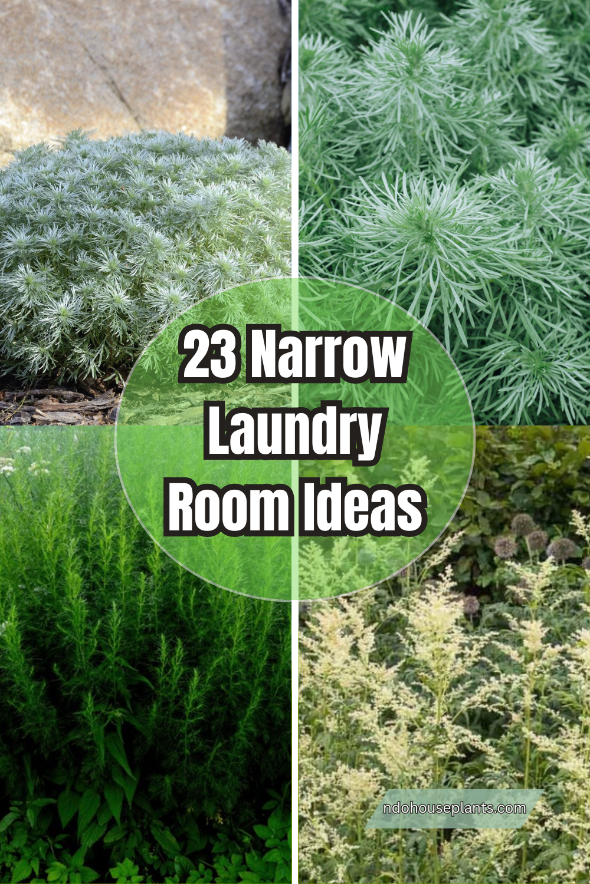
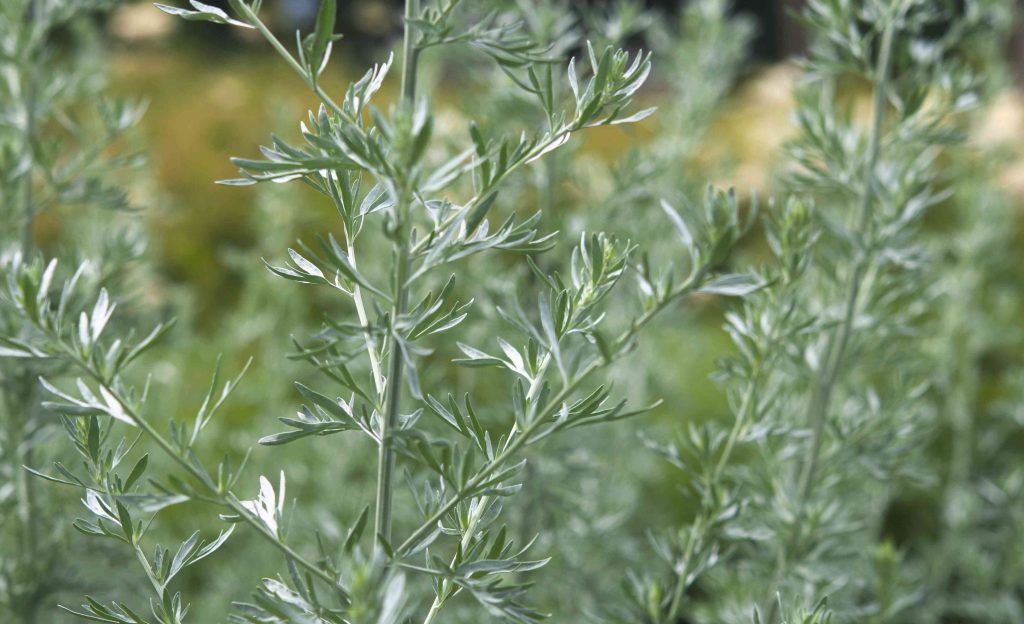
When I first added Artemisia to my garden, I was a little skeptical because it looks so delicate with those silvery leaves—almost like a fragile thing that needed a lot of pampering. But it turned out to be the opposite. Artemisia is one of those plants that feels like nature’s way of rewarding you for giving it simple, honest conditions.
Here’s the thing about Artemisia: it wants to feel a little bit wild and dry. I’ve learned that if you pamper it with rich soil or shade it under taller plants, it sulks, gets leggy, and loses that signature dusty silver glow. But when it basks fully in the sun and has soil that doesn’t hold water like a sponge, it practically sparkles.
[IMAGE: Close-up of Artemisia ‘Silver King’ glowing in sunlight next to dark green hostas]
One summer I planted Artemisia ‘Silver King’ in a sunny rock garden I created with some old bricks and gravel, and it became the highlight—not by shouting, but by quietly glowing next to deep green hostas and boxwood.
Why Sun and Well-Drained Soil are Non-Negotiables
Picture the native habitats of Artemisia—dry plains, rocky slopes, and sunny fields where moisture drains away quickly. When you replicate that in your garden, you’re basically putting the plant back in its comfort zone. The silvery foliage isn’t just for show; it reflects sunlight to protect the plant from drying out, which is why a shady spot can ruin the effect and makes the plant stretch out like it’s reaching for more light.
What many gardeners don’t realize is that Artemisia actually thrives on neglect when it comes to water. Overwatering isn’t just a minor mistake—it’s a fast track to root rot. Years ago, I made the classic error of planting it near my vegetable bed where I watered frequently, and within weeks, the Artemisia looked sad and soggy. After moving it to a raised bed with sandy soil and cutback watering, it bounced back like nothing had happened.
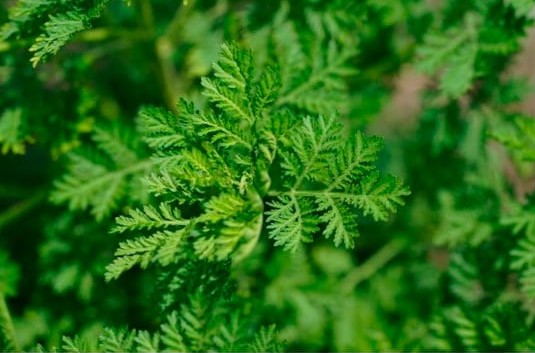
Getting Your Artemisia Off on the Right Foot
Picking the right spot is half the battle. Choose a place with at least six hours of sun; south- or west-facing corners often work beautifully. If your soil feels sticky or stays wet after a rain, don’t fret—just amend it with sharp sand or fine gravel and some organic compost to lighten the texture and improve drainage.
I like to plant Artemisia in early spring so it has time to establish roots before the real heat hits. If you wait too long into summer, the plant might struggle to settle in. Depending on which variety you’re working with, leave about 18 to 24 inches between plants—crowding them can cause air circulation issues, which invite fungal diseases.
[IMAGE: Hand holding Artemisia seedling with well-draining sandy soil]
When planting, dig a hole just big enough for the root ball. Make sure the crown of the plant sits level with the ground—not too deep or the plant can suffocate. I always water lightly right after planting to help settle the soil around the roots, but then I back off and only water again once the top inch of soil feels bone dry.
Varieties I’ve Loved and How I Use Them
- ‘Silver King’ – This one is my go-to for adding a bit of drama. I planted it along a sunny pathway, and the silvery leaves caught the afternoon sun perfectly, creating a striking contrast against deep green shrubs.
- Artemisia absinthium (Wormwood) – This variety has that classic sage-like fragrance and is excellent in my herb garden. It’s tough as nails and serves double duty as a visual and sensory delight.
- ‘Powis Castle’ – If you want a low-maintenance ground cover that softens rocky edges or borders stepping stones, this is your plant. It’s drought-tolerant, spreads easily, and offers a delicate feathery look that isn’t common in most gardens.
Troubleshooting: What to Watch For
Root rot usually trips up new Artemisia growers. If you notice yellowing leaves and the soil stays soggy, cut back on water immediately and consider planting in raised beds or containers where you can control moisture better. Leggy growth is another common frustration—it means the plant isn’t getting enough light, so prune it after flowering to encourage a bushier shape.
Aphids or spider mites can occasionally sneak in, but a quick spray of insecticidal soap usually sets things straight.
If your garden is one of those shady, clay-heavy spots, don’t despair. You can still experience Artemisia’s magic by planting it in containers filled with a sandy potting mix and placing it in the sunniest spot on your porch or balcony.
Why Artemisia Feels Like a Garden’s Best Kept Secret
It took me a while to appreciate Artemisia’s quiet charm because it doesn’t scream for attention like floriferous perennials do. Instead, it adds texture, subtle color, and a soft scent that fills the air on warm days. Most people don’t realize how much character this plant lends without asking for much in return. Once you’ve got one or two thriving, it’s hard not to find spots all over your garden for more.
Ready to Dive In? Here’s What I’d Do
- Walk your garden during the sunny hours and pick the brightest spot with fast-draining soil.
- Feel your soil. If it clumps or stays soggy, rework it with some sand or compost to lighten things up.
- Choose your variety—‘Silver King’ is a great beginner favorite—and order or buy from a local nursery.
- Plant in early spring, following the steps above, with enough room to breathe.
- Water just enough to settle the soil, then step back and let the plant surprise you with its resilience.