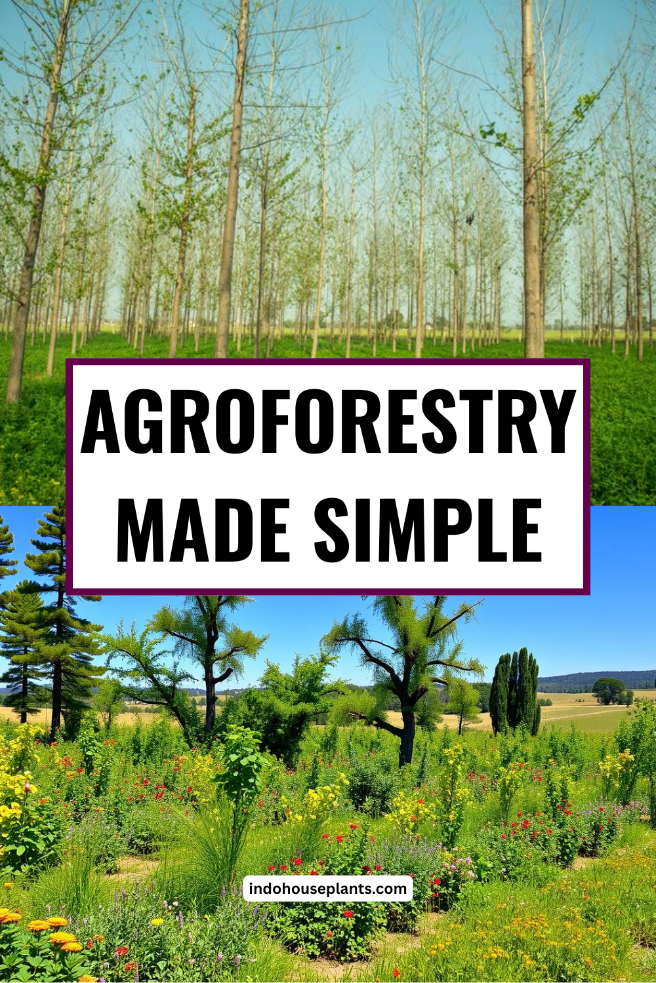
When I first dipped my toes into agroforestry, it wasn’t some grand plan but curiosity mixed with a bit of trial and error. Over time, I’ve learned that understanding the core styles—like alley cropping, silvopasture, windbreaks, and forest farming—isn’t just about definitions; it’s about seeing how these systems breathe life into your land, in ways that are both subtle and game-changing.
Here’s a down-to-earth look at these styles, shaped by my real-life farm experiments and conversations with seasoned agroforesters who’ve gracefully turned challenges into opportunities.
1. Alley Cropping: More Than Just Rows
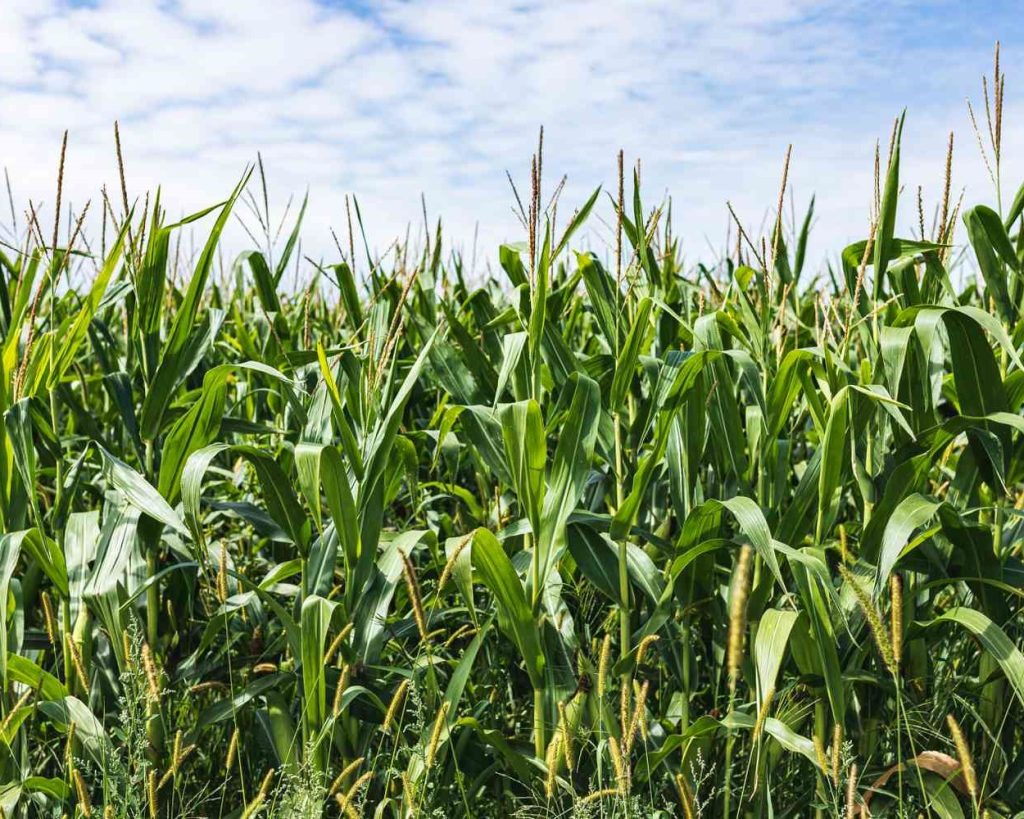
I thought alley cropping was just planting trees with crops between—pretty straightforward, right? But here’s what most people don’t realize: the magic really kicks in with the choice of tree species and timing.
For instance, on my friend’s farm, planting black locust rows between corn not only gave shade but those trees’ nitrogen-fixing roots made the corn stalks stronger and taller by mid-season. We didn’t just toss the trees in randomly; we planned alleys that let tractors through and gave crops a fighting chance during heat waves.
Pro Tip: Fast-growing nitrogen fixers like alder or black locust speed up soil recovery, but be cautious with aggressive species that can outcompete your crops. Start with a small plot, track crop performance, and tweak spacing. Your land will tell you what it prefers.
2. Silvopasture: Livestock with a Tree Hug
When I first heard about silvopasture, I imagined animals just wandering under scattered trees. On my property, once we introduced silvopasture with a mix of oak and chestnut trees in a grazing paddock, the difference was clear—especially in summer.
Goats sought shade naturally, reducing heat stress, and the grass stayed lush longer because shade kept the soil moist. I also noticed the soil became less compacted under trees, thanks to root systems holding it firm despite hooves.
What most don’t mention: Silvopasture isn’t “set it and forget it.” You might have to manage tree density carefully—too many trees, and animals cluster too tightly, leading to overgrazing near shade. Keep an eye on how animals use the space, and gradually increase tree coverage over years, not all at once.
3. Windbreaks: Nature’s Shield with Extras
Windbreaks can feel like just rows of trees, but the payoff is massive if you get them right. On a particularly windy ridge I farmed, planting a mixed-species windbreak (cedars, hawthorn, and willows) did more than reduce soil erosion—it created a tiny ecosystem.
Birds moved in, feeding on insects that were otherwise troublesome to crops, and the microclimate became noticeably warmer in the protected zones, stretching my growing season by a couple of weeks.
Hidden gem strategy: Mixing evergreens with deciduous trees gives you year-round protection and seasonal shifts that aid pollinators and beneficial insects. Don’t just plant a single species—diversity here pays off big.
4. Forest Farming: Income Under the Canopy
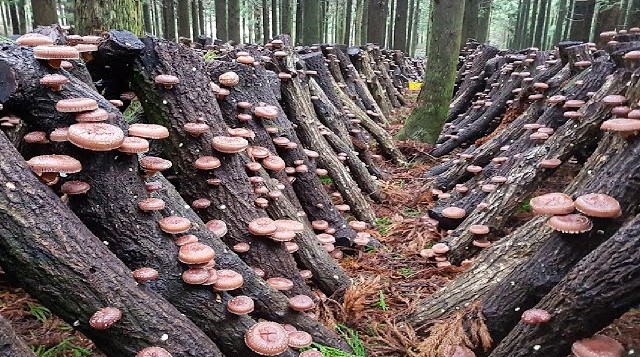
Forest farming felt like a dark horse in agroforestry for me. For a long time, that shady understory was “just woods.” But experimenting with shiitake mushrooms under oaks was eye-opening—the forest floor became a low-maintenance, steady income source without cutting a single tree.
Medicinal herbs like ginseng can be tricky but rewarding if you understand the microclimate nuances of your patch of forest.
Start small and learn the rhythm of your forest. I recommend spending time learning about your local ecosystem before planting anything. Forest farming isn’t about racing growth; it’s about slow, steady harmony.
Tailoring Your Agroforestry Style: What I Wish I Knew Early On
Agroforestry isn’t a one-size-fits-all. I wasted time trying to force alley cropping on a small, uneven patch that begged for silvopasture. Here’s a little wisdom from those stumbles:
- Size & site matter: If your land is small and open, alley cropping or windbreaks might fit better than silvopasture.
- Your end goal steers the ship: Want diverse income? Forest farming or silvopasture might be your ticket. Craving healthier soil for food crops? Alley cropping wins hands down.
- Start with what excites you: Passion fuels patience, which agroforestry desperately needs.
Getting Started: Your Personal Roadmap
Before planting one tree, grab a notebook and start mapping:
- Observe your land carefully—where does the sun fall the longest? Where do winds howl?
- Define your why: Are you chasing healthier soil, better livestock welfare, or wildlife habitat?
- Pick a style that fits your land and purpose. No rush, no pressure.
- Study local tree species—Your Local Extension Office can help.
- Launch a pilot project small enough to manage and learn from.
Embarking on agroforestry has been one of the most rewarding decisions for my land and livelihood. It’s not about perfection but embracing the lessons the trees and animals teach us season after season.