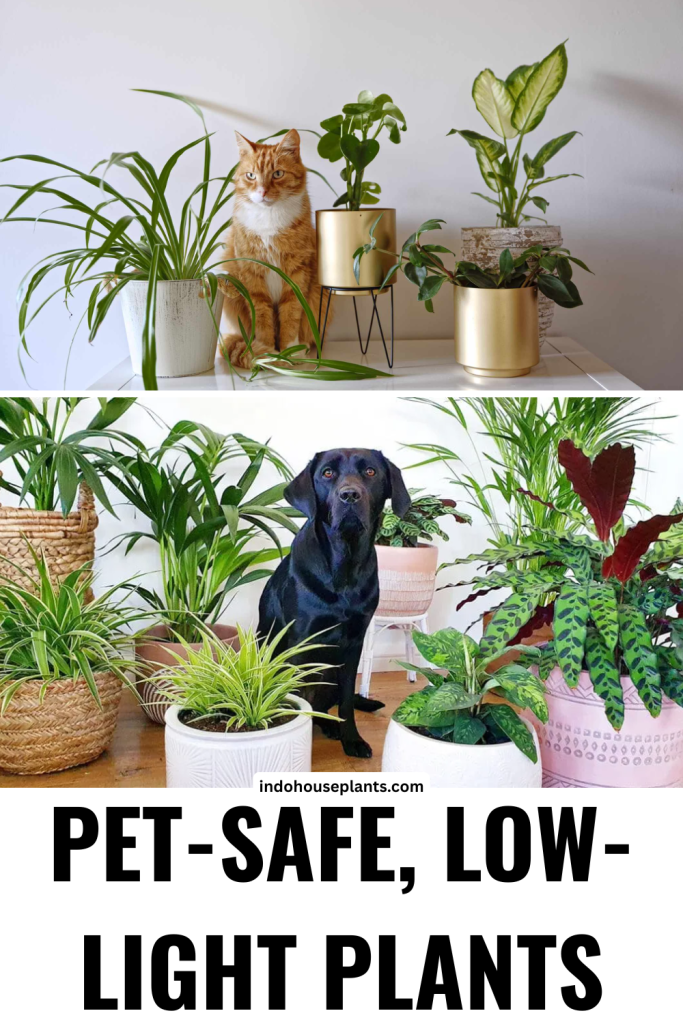
Let’s be honest: keeping your home full of thriving, pet-safe greenery is a lot trickier than the Pinterest-perfect photos make it seem—especially when you have a curious cat or a dog with a taste for the dramatic. I’ve hosted everything from stubborn ferns to nearly indestructible spider plants, all while sharing space with two energetic tabby cats and a grumpy rescue beagle. Here’s what I’ve learned, not from wishful thinking, but from the trenches of real life with muddy paws and muddy plant pots.
My Favorite Pet-Safe, Low-Light Greenery (That’s Survived My Household)
I’ve lost count of the times someone has told me to “just pick up a pothos”—it’s a classic, but it’s not pet-safe. I’ve learned (sometimes the hard way) which plants are genuinely safe, thrive despite neglect, and won’t wilt at the first sign of a cloudy day. Here are my personal winners:
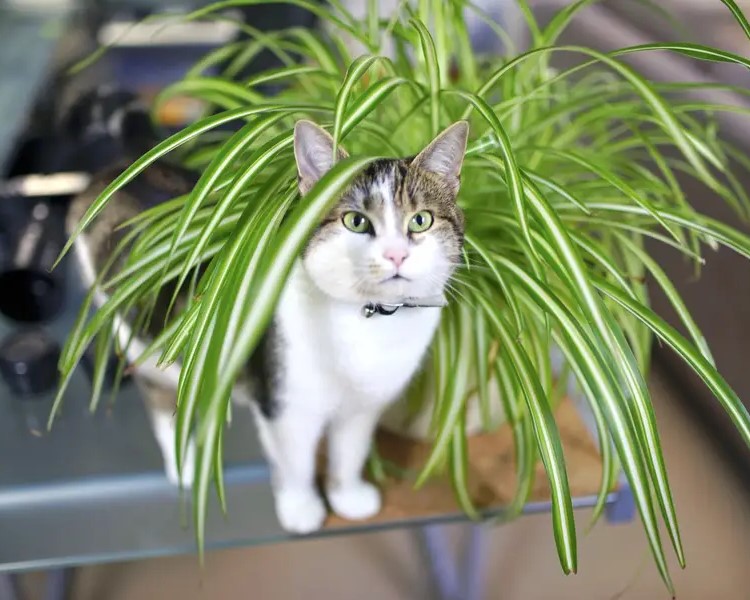
1. Spider Plant (Chlorophytum comosum)
This plant is, hands down, the MVP of my living room. When I say it’s “toddler and terrier-proof,” I mean my dog once knocked it off a shelf and it didn’t even blink. It needs water when you remember and shrugs off forgetfulness.
My cats occasionally bat at the baby “spiders” (the little plantlets), but since it’s non-toxic and resilient, I sleep easy.
2. Boston Fern (Nephrolepis exaltata)
Now, this one does like a little humidity (hello, bathroom window sill!), but it’s worth it for those full, lush fronds. Mine survived even after my cats decided the pot looked fun to dig in—solution: add decorative pebbles on top of the soil.
Pro tip most people miss: Boston ferns rebound from a bad patch with just a little TLC. They go brown? Snip the crispy leaves. It’ll come back—promise.
3. Parlor Palm (Chamaedorea elegans)
I like to think of this palm as the introvert’s palm—thrives in low light, is happy in a corner, and doesn’t beg for attention. Mine chills in a dark hallway and is still going strong after three years. My pets ignore it, possibly because it just quietly gets on with things.
4. Calathea (Calathea varieties)
Look, calatheas look like they’d be fussy, but mine is more drama queen in looks than attitude. The striking leaves turn heads—I’ve had friends ask if it’s fake. A little light misting when you remember, keep soil just-damp—not soggy—and you’re golden. Plus, not a nibble from the cats.
5. Chinese Money Plant (Pilea peperomioides)
This one’s got that Instagram “pop.” I received mine as a baby pup from a plant swap, and now it’s a proud little forest of pancake-round leaves. It shrugs off missed waterings and is utterly uninteresting to both cats and the dog. (Apparently, pets only chew expensive orchids.)
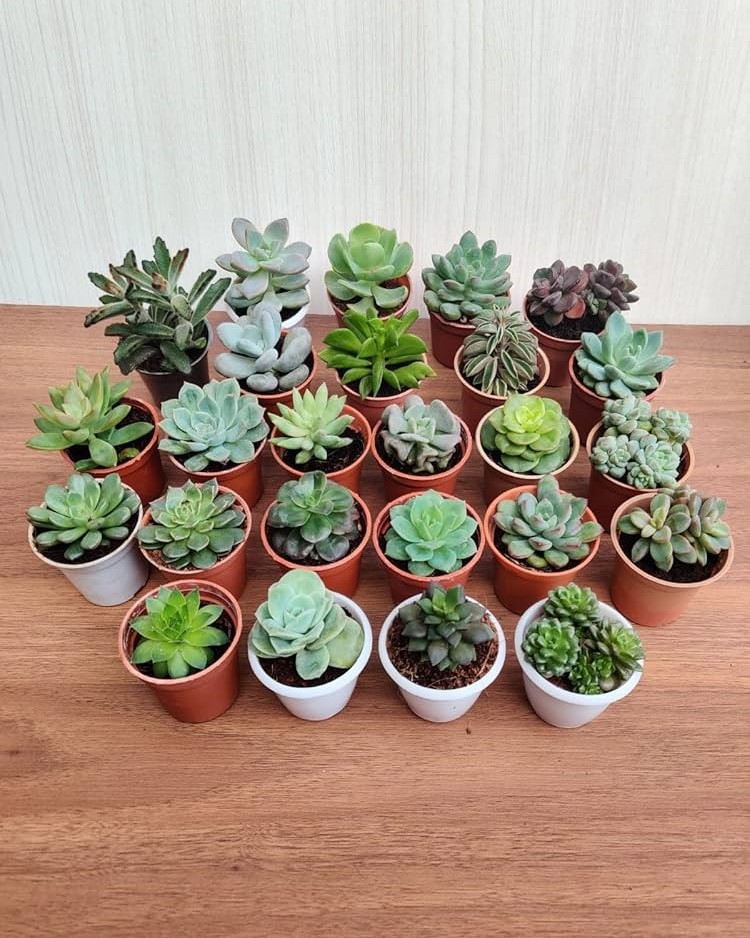
6. Haworthia
If you want something that laughs in the face of neglect, haworthia is your plant. It lives on my kitchen windowsill, which sees more coffee spills than sunlight. Water infrequently; it’s happy. Bonus: It’s probably the only succulent I haven’t killed.
Real World Lessons You Only Learn the Hard Way
Here’s what people don’t usually tell you:
- Low light doesn’t mean “no light.” I once tried a fern in a windowless bathroom. Three weeks later: crispy critter.
- Water once a week? Maybe. But in winter, I check every 10 days, and sometimes two weeks in summer. Plants don’t care about your schedule—they care about their needs.
- Curious pets will eventually try something. I lost a plant to a cat’s love of digging. Now I top indoor pots with chunky river rocks (deters both pawing and accidental “plant snacks”).
- If your pet fixates on a new plant, try moving it up a shelf or to a hanging basket. Out of sight, out of mind—usually.
- LED “daylight” bulbs can be a lifesaver in north-facing rooms. My calathea pouted until I moved a lamp nearby, then started thriving again.
Quick Mini Stories from My Space
Story 1: The Sunday Watering Club
I set a repeating calendar alert for Sunday morning, which is “plant check-in” time. The truth? Sometimes this means just walking around with a mug of tea, poking my finger into the dirt. If it’s dry, it gets a drink. If not, it waits. This has saved more plants (and time) than any fancy app.
Story 2: Bathroom Fern Spa
Adding a Boston fern to the bathroom totally changed the vibe (think “mini jungle”). After every shower, I give it a lazy spritz with the showerhead, and that’s enough humidity for it to stay happy. Zero extra effort.
Story 3: The Lemon Trick
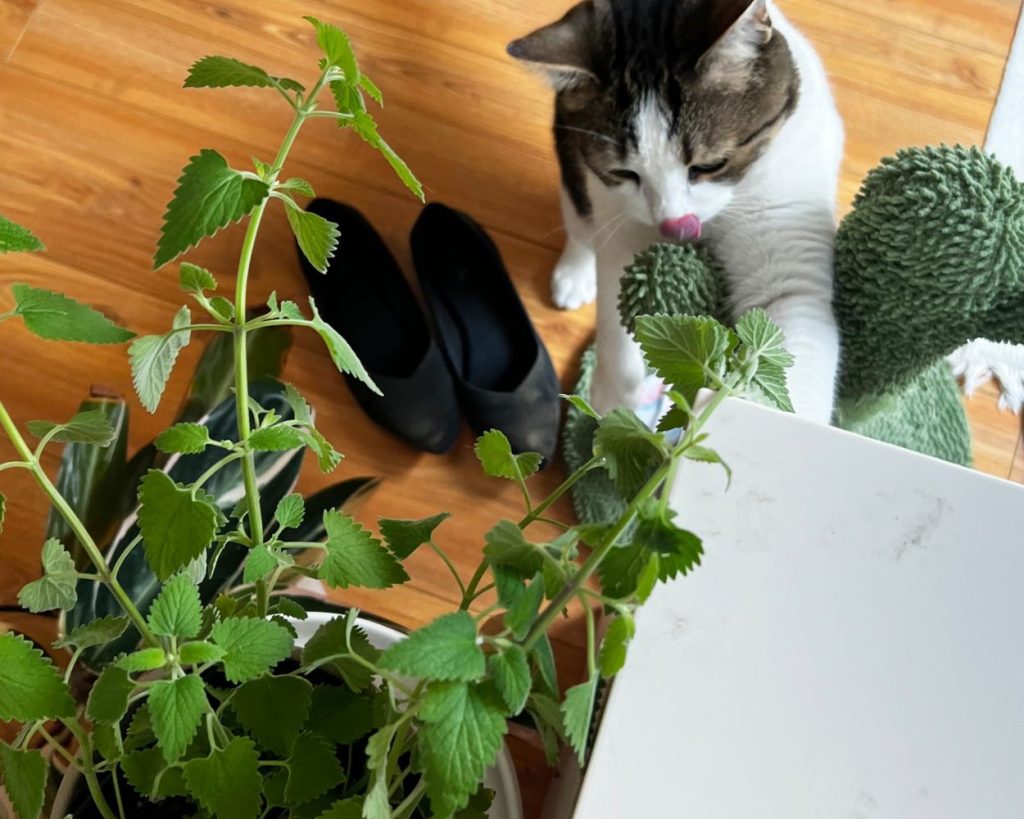
After my new kitten tried eating my calathea, I wiped the leaves with a little diluted lemon juice. No more nibbling—and no leaf damage. (Just don’t overdo the citrus.)
The Reality: No Green Thumb Required
I used to be intimidated by plant care until I realized it wasn’t about doing it “perfectly.” The plants above have survived busy work weeks, vacation absences, cold winters, and bored pets. If you’ve failed before, congratulations! You’re officially normal.
Start with just one plant—spider plant or parlor palm are almost foolproof—and let it teach you what it needs.
Five years into my houseplant journey, I still kill the occasional plant, but my home is greener than ever. The secret is choosing the right plant for your space and lifestyle, not trying to bend your life to fit a fussy green guest.
Want to Try? Here’s My “Real Life” First Steps
- Start with a spider plant or parlor palm—get it from a local nursery for better advice.
- Place it where you naturally spend time—you’re more likely to remember it’s there.
- Use the “finger in the soil” trick—if your finger comes up with wet soil, skip watering that week.
- Give yourself permission to learn. If your plant looks sad, try a new spot or adjust watering.
- Add river rocks to the soil for bonus pet-proofing.
And—this isn’t just about your plants. For me, a few easygoing greens transformed my space and made it feel more like home (without making my pets or myself crazy).
When in doubt, ask other plant parents. The pet/plant-loving community is incredibly generous and can troubleshoot just about any leafy issue with a photo and a laugh. Happy planting!