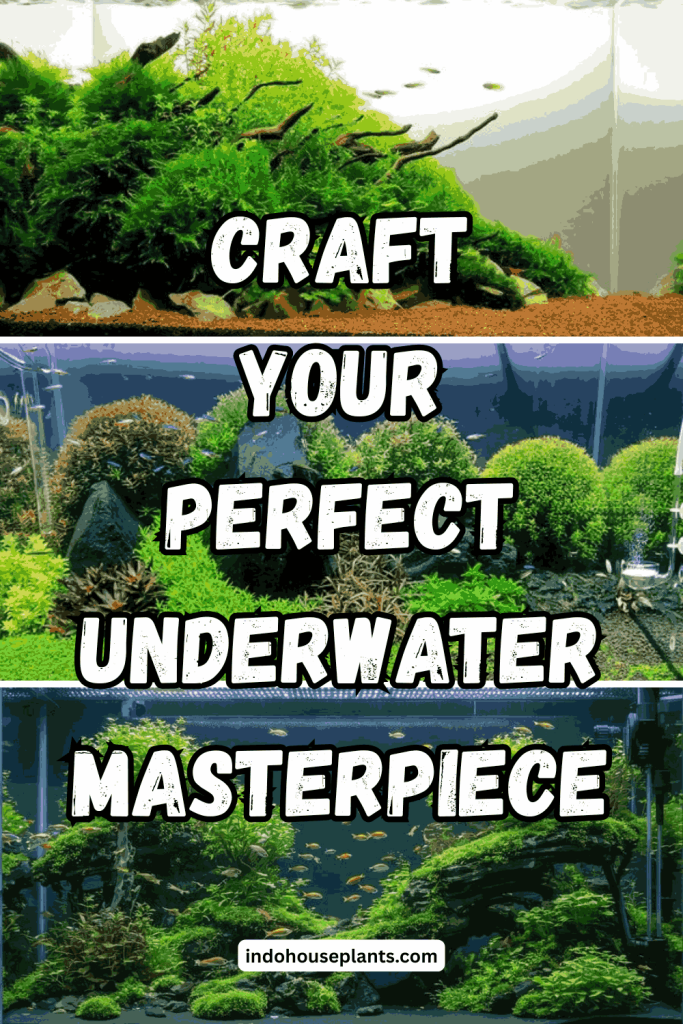
Aquascaping is like painting underwater landscapes, but instead of brushes and paint, you use plants, stones, and wood to craft a living masterpiece. I remember the exact moment I got hooked—not because I wanted a flashy tank, but because I craved a mini ecosystem that felt alive and soothing after a long day.
And trust me, the styles you choose aren’t just aesthetics; they shape the whole rhythm of maintaining your tank, how you connect with it, and even how you unwind with your hobby.
Let me walk you through the main aquascaping styles in a way that’s helped me—and many aquascapers I’ve chatted with—get their tanks looking incredible without getting overwhelmed.
Here’s what most people don’t know: aquascaping styles aren’t boxes to fit into; they’re starting points to discover how you want your underwater world to behave and feel.
Dutch Style: The Botanical Symphony
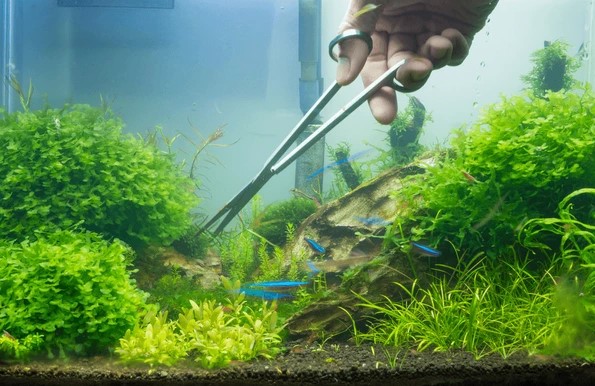
Imagine stepping into a meticulously curated botanical garden—rows and layers of plants, bursting with color and texture. That’s Dutch style. When I first tried this, figuring out how to balance vibrant reds with lush greens felt like composing music.
The trick isn’t just stacking plants side by side, but playing with height differences and leaf shapes to create rhythm and harmony.
- What makes it unique: A Dutch tank is all about ordered plant groups, often arranged in terraces or “beds” that crowd out bare substrate without showing any rocks or wood.
- Real-world tip: Don’t be afraid to mix classic aquarium plants with some unusual species you find at your local nursery. I once added Alternanthera reineckii for its deep red color, and it instantly became the star of the tank.
- Maintenance insight: This style demands regular trimming and replanting—think of it like tending a garden, not just setting up a tank. It’s meditative but needs commitment.
If you’re someone who loves plants for their own sake and doesn’t mind rolling up your sleeves to keep the landscape neat, Dutch-style can feel incredibly rewarding.
Iwagumi Style: The Zen Ballet of Stones
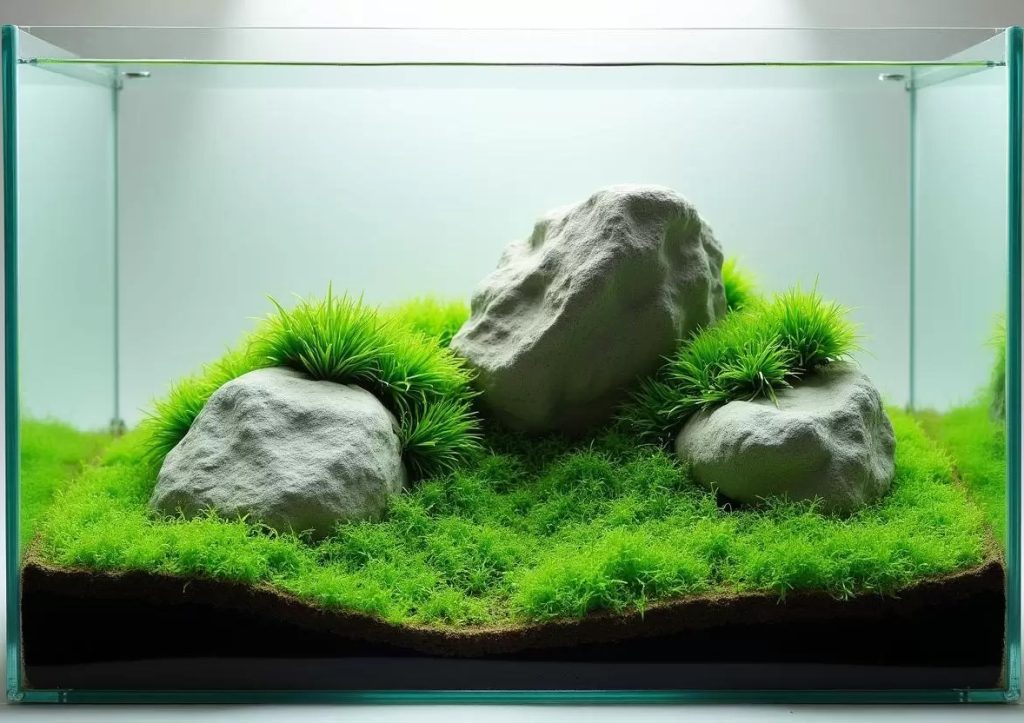
When I first saw an Iwagumi setup, it struck me like a haiku—simple but profound. The fewer elements you use, the harder it becomes to get everything perfect. The stones aren’t just decorations; they tell a story.
You have the “Oyaishi,” the main stone commanding attention, with subsidiary stones (“Fukuishi” and “Soeishi”) arranged around it to create balance and flow.
- Why it works: Minimalism here is an art form. You choose a handful of plants—often a gentle green carpet plant—and let the stones speak.
- Hidden challenge: Achieving that perfect stone placement requires patience. I spent hours rearranging stones before getting the balance just right. It’s like sculpting but slower—nature’s patience teaches you a lot.
- Personal tweak: Although strict Iwagumi purists avoid wood, I once integrated a subtle driftwood piece to add a warm contrast, and the tank gained a soft, inviting atmosphere without losing its minimalist soul.
If tranquility and the art of less-is-more resonate with you, Iwagumi offers a calming journey that sharpens your eye for detail.
Nature Style: Your Own Tiny Wilderness
For me, this style feels like bringing a slice of a forest stream or mountain valley into my living room. The goal is not order but realism—capturing how plants grow unevenly, rocks nestle naturally, and light creates depth.
- What most newcomers miss: It’s not just random placement. Nature style uses asymmetry, layering, and perspective techniques borrowed from landscape painting to trick your eye into seeing vastness in a small tank.
- Example from experience: I once recreated a riverbank scene with driftwood “branches” arching overhead, moss-covered rocks, and tall stem plants in the background. Over time, snails and shrimp colonized the moss, making the tank feel truly alive.
- Pro tip: Don’t stress about perfection here. If a plant grows a little wild or a branch shifts, it just adds to the authenticity.
If you want your aquarium to feel like a breathing ecosystem rather than a staged set, Nature style is intuitive and incredibly satisfying.
Jungle Style: Wild Growth and Untamed Beauty
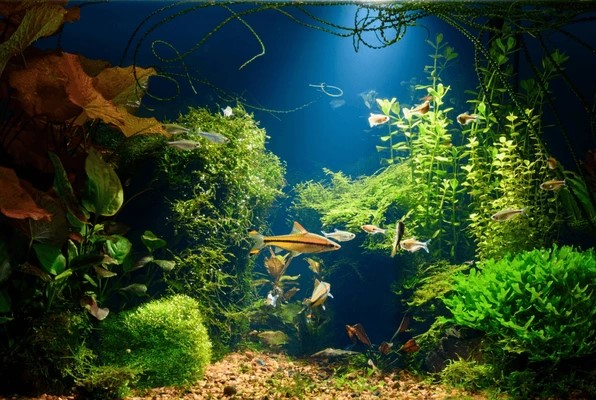
Jungle style is the rebel of the aquascaping world. It invites chaos—dense plant clusters growing freely, little pruning, and an emphasis on fullness rather than design precision.
- Why it’s magic for beginners: I recommend Jungle style when you want quick success without fuss. The plants do most of the work. I started with a Jungle-style tank and loved how forgiving it was when I overfed or missed trims.
- What few people realize: It’s a fantastic playground for fish, too. The dense plants create safe hiding spots, reduce aggression, and mimic natural habitats closely.
- Pro tip for jungle beginners: Don’t ignore good substrate and lighting. Healthy plants will explode in growth, but weak conditions will lead to algae taking over fast.
If you crave a lush, green aquarium that feels alive and unpolished—like a little jungle on your shelf—this style will keep you amazed without the need for constant upkeep.
Navigating Your Style Choice Without the Headache
Here’s a reality check: when I started, I felt paralyzed by choice—how do you pick when every style looks so good? Here’s the shortcut I discovered:
- Tune into your vibe: Do you want a soothing retreat (Iwagumi), a lush garden (Dutch), a wild ecosystem (Nature), or a carefree jungle? Think about how often you want to work on your tank and what kind of daily experience you want.
- Scout your resources: Visit local shops or online communities. Sometimes your local store’s available plants and rocks will nudge your style choice.
- Ease in: Nobody builds a whole Dutch-style empire overnight. Start with a small experiment—a few plants or stones—and see what excites you most.
- Mix it up: Styles aren’t laws. You might blend Iwagumi’s simplicity with Nature’s organic feel or add Jungle’s density to a Dutch setup. It’s your underwater canvas.
What I Wish Someone Told Me Early On
Experimentation is free. Don’t stress over perfect layouts or plant choices. Some of my best tanks came from happy accidents—like a lone Red Tiger Lotus that grew faster than expected and reshaped my entire aquascape.
Also, aquascaping isn’t just about looks. It’s about cultivating a routine—a moment of calm when you check your tank, prune a leaf, or watch fish weave through your creation. Let your tank grow with you, not against you.
Ready to Dive Deeper?
- Pick a style that sparks your imagination.
- Hunt for inspiration on YouTube (I’m partial to channels that show real-time growth over months—shoutout to “The Green Aqua”).
- Sketch your ideas—even a rough drawing helps lock down your vision.
- Start small. Buy a handful of plants and stones, set up a basic layout, and keep a journal of what grows well or challenges you face.
Every aquascape tells a story. Yours is just beginning under the surface. Trust me: that first peaceful glance into your tank, seeing the harmony of plants and stones, is addictive in the best way. Aquarium magic is real—and it’s waiting for you.