When I first started getting serious about caring for my houseplants and garden, one small discovery completely changed how I looked at plant growth: the axil. At first, I barely noticed this tiny nook where a leaf curls away from a stem—it seemed insignificant. But over time, I realized that these small angles, called axils, are like the plant’s secret growth hotspots, nature’s little “decoration corners” where new life bursts forth.
What’s the Axil, Really? A Little Pocket of Potential
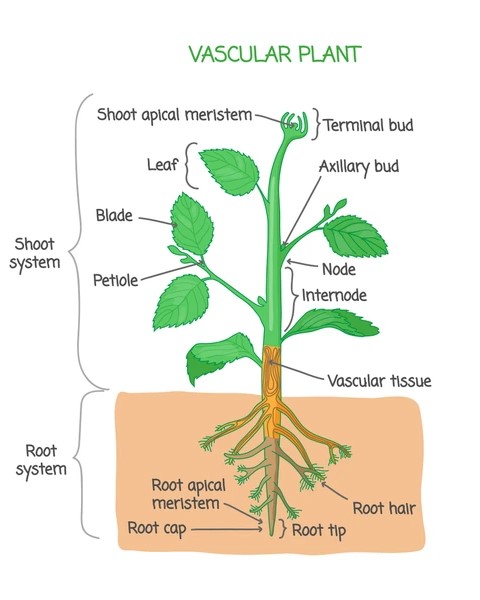
Picture your favorite plant. Now look where each leaf joins the stem—that little V-shaped space is the axil. Hidden in there, often out of plain sight, is a tiny powerhouse called the axillary bud.
This bud is the plant’s way of saying, “Here’s a chance to shoot out a new branch, flower, or leaf.” It’s like the plant’s version of a startup incubator, growing new projects silently until conditions are right.
I remember watching my rose bush stubbornly refuse to bloom. One day, I looked closely at the axils and noticed some tiny buds hidden beneath the leaves. After trimming a branch just above one of those buds, I saw new shoots emerge within days. It was like discovering a backstage pass to the plant’s growth show.
Why Axil Decoration Is More Than Botanical Jargon
Here’s where most people miss the magic: these axils don’t just grow randomly—they often follow natural patterns that shape the whole plant’s appearance. Think of axil decoration as the plant’s way of self-styling, sprouting side branches or flowers exactly where it needs to fill in gaps or catch more sunlight.
For gardeners and plant lovers, understanding this pattern opens a practical toolkit:
- Smart Pruning: Instead of cutting willy-nilly, you can strategically prune just above axils with healthy buds, coaxing fuller, bushier plants or more flowers. I’ve found that this method is way more rewarding than generic pruning advice.
- Floral Arranging Wizardry: If you’re into flower arranging, noticing axil decoration helps you appreciate how flowers and leaves naturally cluster, leading to more balanced, fresh-looking bouquets that don’t feel “factory made.”
- Reading Plant Intentions: Watching axils over weeks is like reading a plant’s diary—where it wants to grow, what areas it’s trying to fill. It’s revealing and oddly satisfying.
Getting Hands-On: My Go-To Axil Observation Routine
- Pick Your Subject: I usually start with something approachable, like my pothos or a tomato plant in the kitchen garden. These plants show their axils clearly.
- Get Up Close: No need for fancy tools, just a steady eye or a magnifying glass. Spot the angle where the leaf and stem meet.
- Find the Buds: These aren’t always obvious tiny knobs; sometimes, they’re teeny shoots hiding under the leaf base. On my tomato plants, those hairy stems helped me locate the buds easily.
- Look for Growth Patterns: Do the buds seem to be stretching outward to make side branches? Or are flower buds popping up? This is the “decoration” part—how the plant fills its space.
- Try a Gentle Prune: Armed with clean scissors, I snip just above a bud that looks strong. The plant immediately responds with fresh growth, which feels like a little victory.
Real-Life Wins From Watching Axils
- Tomatoes: I learned the classic gardener’s tip about pinching off “suckers” in axils—that saved me from a jungle of side shoots and really boosted fruit size for years.
- Roses: After struggling to get mine to bloom well, I started cutting just above healthy axils instead of random trimming. New healthy branches and flowers started pouring out.
- Pothos and Succulents: I noticed that trimming stems just above the axils with roots or leaves encouraged bushier, healthier plants instead of leggy ones.
What Most People Don’t Realize About Axils
Here’s a little secret—sometimes, axils hold buds that don’t show up immediately. If your plant looks like it has empty axils, don’t give up. Factors like light, nutrients, and the plant’s life cycle can delay bud development. Patience is part of the gardening game.
Also, if you ever feel like those axils are too crowded with new branches or shoots, light pruning can keep things tidy. A plant can only support so much growth before it starts stressing.
And here’s a reassuring thought: “axil decoration” isn’t a strict botanical term you’ll find in every textbook. It’s more like a gardener’s phrase for appreciating how plants naturally “decorate” themselves by growing new parts at these junctions.
Why This Little Plant Hack Matters
Learning about axils transformed my approach to plant care from guesswork to curiosity-driven experimentation. Instead of randomly pruning or wondering why my plants looked scraggly, I began to read their “growth intentions” and respond with precision.
The result? Healthier, fuller plants that seem more “alive” because I’m working with their natural rhythms instead of against them.

Your Next Move: See Axils with New Eyes
Grab a plant nearby—whether it’s a leafy pothos, a tomato on your balcony, or even a rose. Spend five minutes giving those leaf-stem junctions some attention. Take photos, sketch what you observe, or just marvel at those quiet growth hubs.
Try pruning just above a bud on one branch and watch your plant’s response. Keep notes and see how your “axil decoration” adventures play out over the next few weeks. You’ll be surprised how satisfying it is to watch those tiny buds turn into new life.
If you want, ask me about specific plants or pruning challenges—I’ve been down this path and love swapping stories and tips. Once you start tuning in to axils, the whole world of plant growth opens up in a way few people ever experience. It’s a little discovery that makes a big difference in how you connect with your green friends.