Let’s skip the fluff: Cacti are the ultimate plant for busy, distracted, or even self-proclaimed black-thumbed people—but only if you treat them like the tough survivors they are. The reality is, most folks kill their cacti with too much attention rather than neglect. I learned this the hard (and mushy) way, so here’s what actually works—straight from personal wins and fails.
First Things First: Why Cacti Are Not Your Average Houseplant
Don’t let their small size fool you. Every time I look at my 10-year-old Astrophytum—still rocking its weird star-shaped ribs—it reminds me these plants literally evolved to be ignored for months at a time.
Unlike your thirsty spider plant, a cactus WANTS you to forget about it most of the year. That’s not just folk wisdom; it’s survival biology.
Here’s what most people don’t know: In their native habitats, cacti can go months between decent rains. So trying to stick to a “weekly” watering schedule (like every other houseplant care guide tells you) is almost guaranteed to rot one out.
Tested & Proven Cactus Care—No Guesswork
1. Lighting Done Right
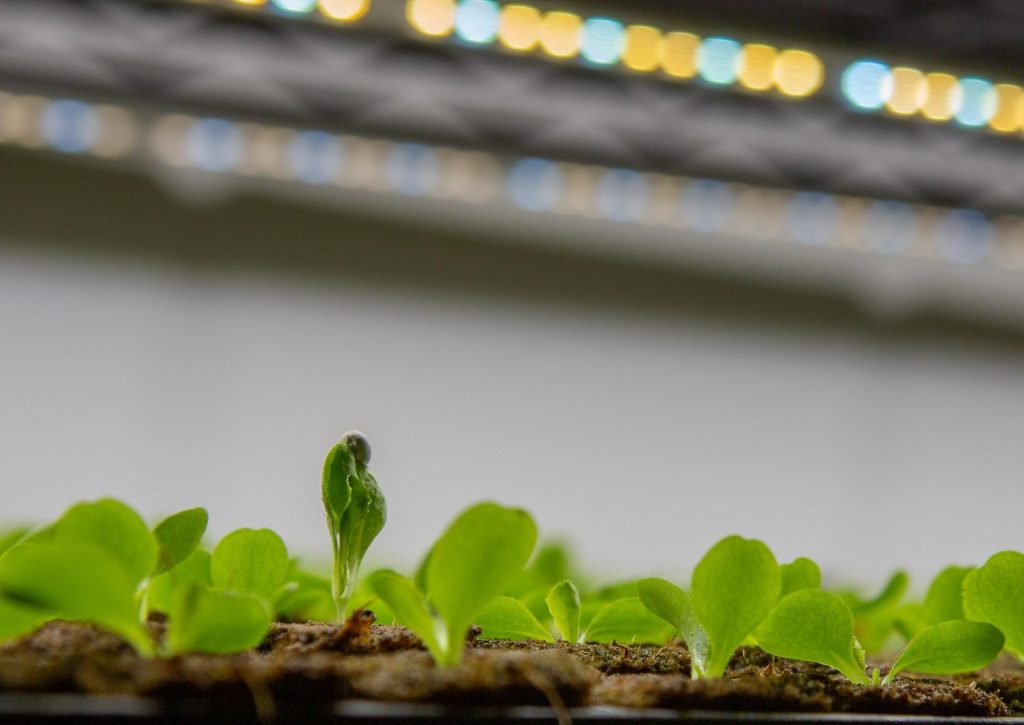
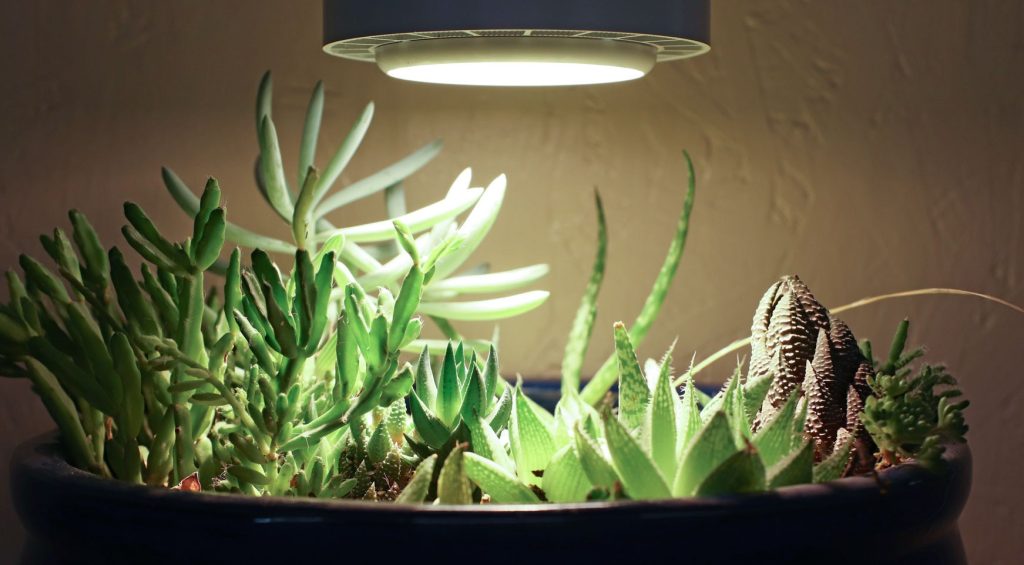
- Counterintuitive tip: If your cactus isn’t getting at least 4 hours of direct sun per day on a south-facing window, you’re better off using an LED grow light than leaving it on a weak east-facing sill “because that’s where there was space.”
- My setup? A $22 full-spectrum desk lamp (Amazon special), set on a timer for winter months when daylight stinks.
2. Watering—Here’s What Actually Works
- “When in doubt, wait.” I used to rely on poking the soil with my finger—big mistake! Get a cheap bamboo chopstick or wooden skewer and jab it straight down toward the pot bottom. Wait until it comes up totally bone dry before even thinking about adding water.
- Don’t just sprinkle—drench until water runs through those glorious drainage holes…then walk away like you’re headed out of town for two weeks.
3. The Right Soil Is Non-Negotiable
- Regular potting mix? Nope! Tried it once; ended up with soggy roots and mold city.
- My “bargain fix”: Buy any bagged cactus/succulent mix (even Miracle-Gro will do in a pinch), but always add extra perlite or pumice—about 1 part to every 2 parts soil—to keep things gritty and fast-draining.
- For my more delicate species (Mammillaria elegans comes to mind), I even toss in a handful of aquarium gravel at the bottom for bonus airflow.
4. Containers Matter More Than You Think
- Terracotta is king because it breathes and wicks away moisture faster than plastic—a must if your place is cool or humid.
- Be wary of those cute globe terrariums without drainage—even experts struggle with root rot in them.
A Few War Stories: The Good, The Bad & The Spiky
- Back in 2019, I tried keeping three cacti together on a shady shelf for aesthetics. Only one survived—and even that guy stretched into some alien shape chasing invisible sunbeams (“etiolation”—look that up if your plant starts reaching comically sideways).
- Cost breakdown: Lost two $6 cacti but saved myself future heartbreak by moving surviving plants back into sunlight and adding supplemental LED lighting (total expense: less than $30).
Another lesson learned: Overly eager watering right after repotting = death sentence. Let freshly repotted cacti sit dry for about 7–10 days before giving them water—that gives damaged roots time to callous over instead of inviting rot right into their open wounds.
Let’s Be Honest About Mistakes
I’ve lost more cacti from kindness than neglect every single year since I started growing them in college dorm rooms with erratic heat and shaky window views.
Overwatering during gloomy winters? Check. Planting directly into decorative glass pots? Guilty again (never held up beyond six months).
What finally stuck was treating watering like laundry day after finals: something I’d put off as long as possible—and everyone thrived.
Unusual Tricks That Actually Work
- Rotate your cactus every month—not just once in spring! They’ll naturally reach toward their brightest light source; turning keeps growth symmetrical rather than lopsided.
- Use aquarium tongs or silicone-tipped kitchen tongs for handling spiky varieties (skip those useless “cactus gloves”—a pair of folded newspaper strips work in a pinch).
- Fertilizer isn’t essential unless you want blooms—in which case, one tiny dose of low-nitrogen liquid fertilizer each spring is plenty.
- Don’t panic over wrinkles! A shriveled look often means underwatering—not disaster territory yet. Give it one deep soak and wait a week; most fatten right back up.
If You’re About to Buy One… Here Are the Game-Changing Moves
- Pick one that feels firm (not soft) at the base—squishy equals rot starting already at retail.
- Choose clay pots and add extra perlite/gravel yourself instead of trusting generic garden store mixtures.
- Set phone calendar reminders—not for watering dates but for checking dryness. Less pressure, fewer mistakes.
- Hold off watering while acclimating home from store—a surprising amount of stress can make newly bought cacti drop roots if watered too soon.
Skip Guilt & Embrace Imperfection
Here’s what matters: If you mess things up? Welcome to the club—I’ve composted at least five prickly pears learning what not to do. With cacti, there’s no shame in killing a few while figuring out their quirky personalities; each loss makes you sharper next round.
No fancy tools needed; no endless reading about desert microclimates required—it all boils down to bright light, porous soil, ruthless drainage, and ignoring until bone dry.
Ready? Get yourself one oddball cactus today (the weirder-looking the better—it’ll spark conversations!) and give nature’s slow-grower its due respect…by mostly leaving it alone.
Trust me—the less you hover, the more yours will thrive. And if anyone asks how you always keep yours alive? Just shrug knowingly…and know all those failed first attempts weren’t wasted after all!
Any weird cactus stories or questions pop up later? Always happy to talk shop—with zero judgment and zero sugarcoating!