When I first got into bonsai styling, it felt less like gardening and more like trying to tame a tiny, leafy wild animal. The idea of shaping a miniature tree into a natural work of art seemed daunting—like you needed to be a secret tree whisperer.
But here’s the truth nobody tells you right away: bonsai is far more about patience, feel, and a few well-timed snips than rigid rules or perfection.
One of my earliest bonsai trees was a scraggly little Ficus that looked more like a wild shrub than an elegant tree. What transformed it wasn’t just pruning but slowing down to really watch how it grew, where the branches naturally reached, and where the light hit.
That’s where bonsai styling starts—not with heavy-handed cuts or perfect shapes, but with observation and gentle guidance.
How I Learned to Style Bonsai: My Go-To Steps
1. Pick a Tree That Forgives Your Mistakes
Trust me, if your first bonsai screams at you every time you trim, you’ll lose confidence fast. That’s why I recommend beginners start with species like a Ficus, Juniper, or Chinese Elm.
They bounce back from pruning and wiring much better than brittle or finicky trees. My first Ficus survived two terrible wiring jobs and still smiled back at me.
2. Find a Style That Speaks to You (But Don’t Overthink It)
The styles you hear about—Formal Upright, Informal Upright, Cascade—are great starting frameworks. But here’s the insider tip: don’t box yourself in trying to nail a perfect style.
For instance, the informal upright style (Moyogi) lets your tree have natural twists and bends that feel alive—exactly what you want when you’re learning. Your tree’s personality will grow as much as your skills do.
3. Trimming: More Than Just Cutting Branches
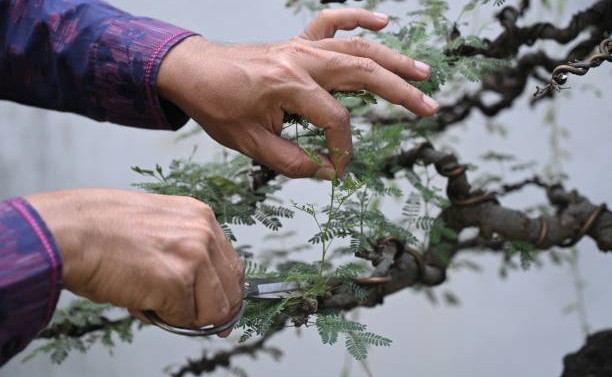
When I first trimmed my tree, I thought chopping off random branches was enough. Nope. It’s about strategic removal—cutting out branches that block light, create clutter, or feel like they compete for attention with a nicer limb.
Use sharp bonsai scissors, but don’t rush. I find taking breaks every 10 minutes helps me see what’s missing rather than what I can hack away.
4. Wiring: The Art of Gentle Persuasion
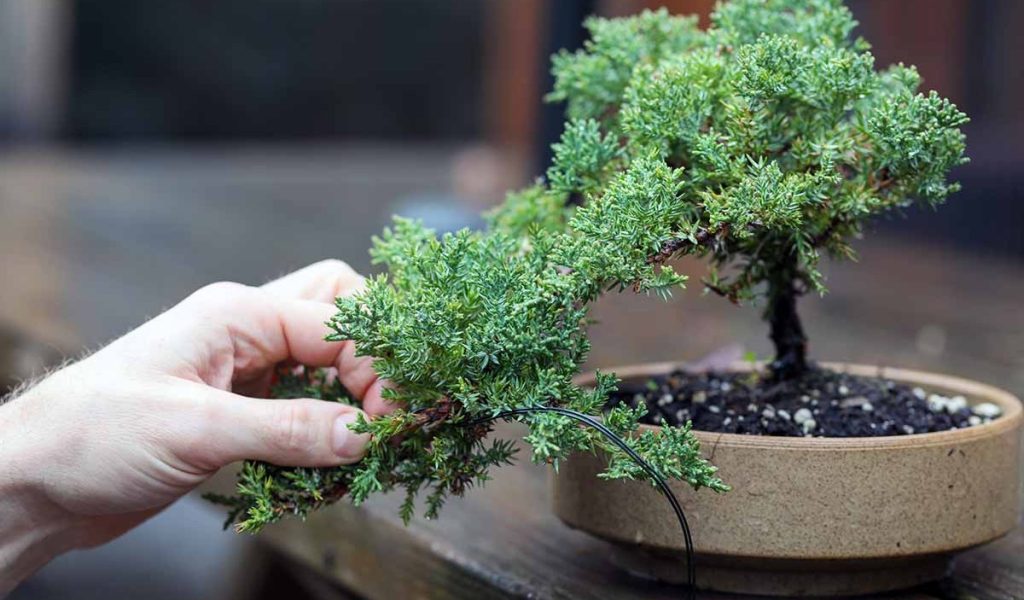
Wiring felt like a secret code when I started. You wrap wire around, twist gently, and coax branches into new shapes. The trick is patience: wire at the right tension (not too tight), check every couple of weeks, and don’t hesitate to remove and rewire if you see the wire digging in.
My earliest wiring job ended with a branch scar because I left the wire on too long—it’s a mistake I learned from, and now I’m way more careful.
5. Balance Is Your Best Friend
Bonsai isn’t just about making things look neat; it’s about harmony. I always stand back and look at my tree from all sides before making a cut or tightening a wire.
Often, that means thinning out branches or shortening ones that distract from the trunk’s natural taper or the beautiful curve I’m highlighting. One little swooping branch can become the star of the show!
Real Moments from My Bonsai Journey
- My Juniper once had a trunk so thin and fragile, I worried I’d snap it wiring a branch. What I did was prune the lower, bushier parts to reveal the trunk’s gentle S-curve. Then I wired the top branches to hang over the pot’s edge just slightly—like a delicate waterfall. Seeing that cascade bounce with the breeze made me fall in love with bonsai all over again.
- With a Chinese Elm that had thick foliage, I learned how critical leaf thinning was. By selectively removing some leaves, I didn’t just sculpt the canopy; I improved airflow and sunlight penetration. The tree perked up and grew even more vibrantly—a subtle move with big rewards.
When You Hit a Roadblock
- Feeling nervous about cutting? Think of pruning like editing a photo: you want to remove distractions, not everything. I always tell myself, “If it’s not adding to the story, it can go.”
- Wiring without fumbling takes practice. I recommend starting with a flexible branch on a younger tree so you can get the hang of wrapping and bending. A friend of mine even started wiring on dead branches replaced later—no risk, just learning.
- If your tree seems lopsided, pause. It’s easy to get tunnel vision. Step back, walk around, even photograph it from multiple angles—that perspective shift helps you see what needs adjusting.
- Yellow leaves after pruning is a sign your bonsai is stressed. I’ve had that happen when I went too deep in one day. Since then, I space out pruning sessions, water carefully, and make sure my bonsai gets plenty of indirect sun. For more on this, the Bonsai Empire guide to bonsai care is a fantastic resource.
Why Bonsai Styling Is Actually an Adventure
Styling bonsai taught me to tune into a rhythm—one that’s slow and forgiving. You don’t have to get it perfect the first time or even the tenth. Some branches will stubbornly resist and need rerouting or a second round of pruning.
That’s part of the beauty: bonsai is a conversation, sometimes a negotiation, with nature.
Every tiny branch repositioned and every new curve discovered feels like uncovering a secret about the tree’s character and your own patience.
Start Small, Dream Big: Your First Steps Today
- Pick a beginner-friendly bonsai species—check out local nurseries or trustworthy online sources.
- Assemble simple but quality tools: sharp pruning shears, 1-2mm bonsai wire, and gloves to protect your hands.
- Collect a few photos of informal upright bonsai that inspire you—Pinterest boards are a goldmine.
- Take a deep breath and start with gentle pruning: remove dead branches and those that clutter the canopy.
- Practice wiring on one or two branches, treating it like a delicate dance rather than forcing the shape.
- Snap photos before and after styling sessions so you can see your progress—which is always more than you think!
Remember, bonsai isn’t about rushing; it’s about enjoying the journey of seeing a tiny tree grow into something uniquely yours. The more you care, the more your bonsai will thrive—and surprise you.
You’re not just shaping a tree—you’re shaping a lifelong hobby full of quiet moments and unexpected joys. Give yourself permission to learn, experiment, and have fun along the way. You’ll be amazed at how much your tree, and you, will grow together.