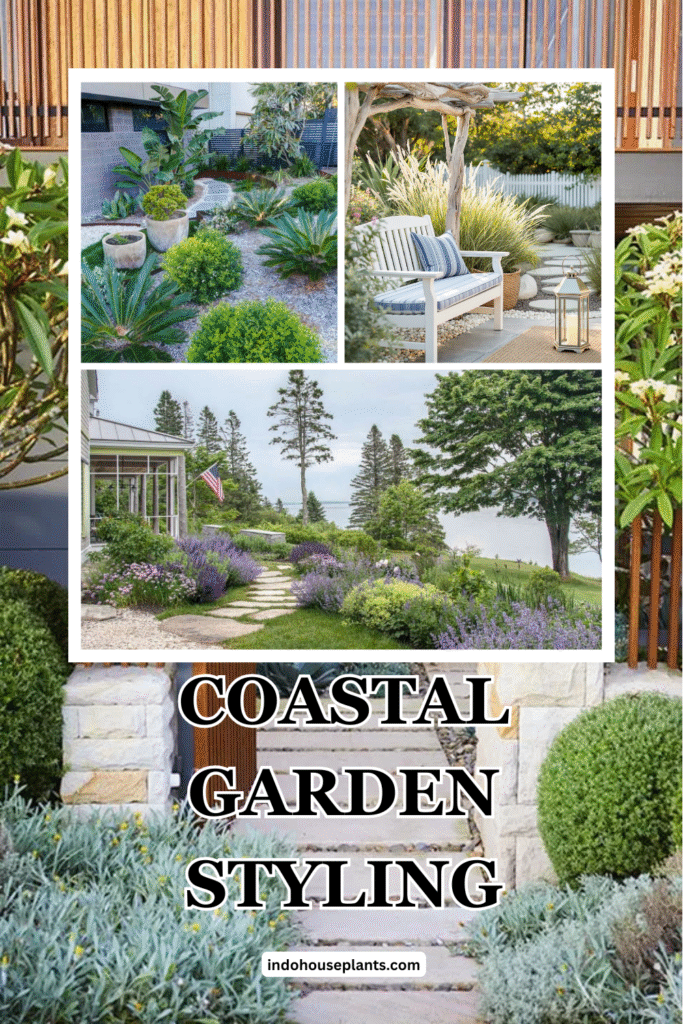
I remember the first time I tried giving my garden a coastal vibe—I was drawn to the rugged charm of seaside landscapes but quickly realized that many of my usual favorite plants just couldn’t hack it. The salty breeze, gusty winds, and gritty sandy soil weren’t just minor annoyances; they were game changers.
That’s when I dove deep into the world of coastal plant styling, learning firsthand that success here means working with nature, not forcing it.
What Makes Coastal Gardens Truly Unique
What most people don’t realize is that coastal gardens aren’t just about pretty plants—they’re about resilience and adaptation. Plants in these settings have evolved to survive harsh salty air that would desiccate others overnight, and sandy or rocky soil that drains water so fast your plants will have thirst issues unless carefully chosen.
That means no tender tropicals or moisture-loving ferns here; instead, you meet hardy champions with thick, waxy, or fuzzy leaves that make them feel tough as nails.
I discovered that finding the right plants is like connecting with a different neighborhood—one with a rhythm and aesthetic all its own. Once I started viewing coastal gardens as outdoor ecosystems with specific needs, I found it much easier to craft a space that felt authentic and alive.
My Go-To Formula for Styling Coastal Plants
1. Salt-Tolerant Plants That Bring Texture and Life
Don’t underestimate the power of texture here—it’s everything. My personal favorites have always been beach grass, which sways gracefully with the ocean breeze and seems to hold the sandy soil together like old friends helping each other out.
I’ve paired this with sea lavender for pops of subtle color that don’t demand much fuss—these purple blooms always surprised me by how they can brighten a drab patch.
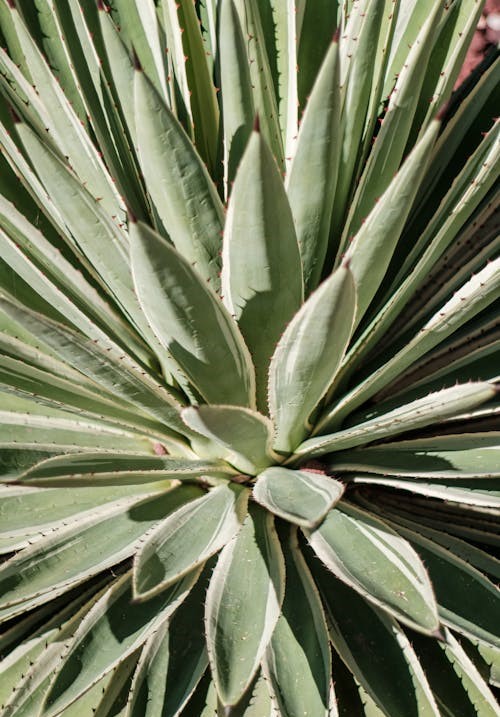
For tougher structure, I love bringing in low-growing junipers; their evergreen resilience is like the backbone of the coastal garden, offering privacy and green all year. And nothing beats the sculptural presence of agave or yucca for that dramatic, almost architectural feel.
Their spiky leaves contrast beautifully with softer grasses and velvety silver ragwort leaves, which shimmer in the sunlight and keep your garden feeling fresh. You might not expect rosemary or lavender to flourish near the sea, but varieties like coastal rosemary prove me wrong every time, adding scent and attracting pollinators.
2. Nature’s Palette: Silver-Greens, Blues, and Soft Purples
I always think of coastal gardens as wearing muted, sophisticated “beachwear.” The silvery leaves, soft blues, and dusty purples mimic the shifting dunes and misty ocean horizon.
This palette doesn’t just look peaceful—it helps plants manage the sun and hold moisture better. When I swapped out bright green, thirsty plants for these more subtle colors, my garden looked more relaxed and alive rather than trying too hard.
3. Beyond Plants: Adding Driftwood and Sand for Atmosphere
Here’s what most people don’t know: the magic of coastal styling isn’t just the plants; it’s the entire vibe. Bringing in natural elements like smooth driftwood, pale sand or light gravel mulch, and weathered rocks instantly transports you to the shore without leaving home.
I keep a little collection of shells and worn wood pieces from beach trips, scattered tastefully among my pots and garden beds. It’s those tiny touches that make all the difference.
4. Layering to Capture Movement and Depth
Where I really saw my garden come alive was when I started thinking vertically and spatially. Elevate beach grass in raised mounds to mimic dunes, plant mid-sized shrubs like sea lavender and juniper behind for privacy and fullness, then finish with ground covers and little succulents for a soft underlayer.
This layering invites wind to dance through the plants, creating dynamic movement that’s both calming and ever-changing.
A Few Stories from My Coastal Garden Journey
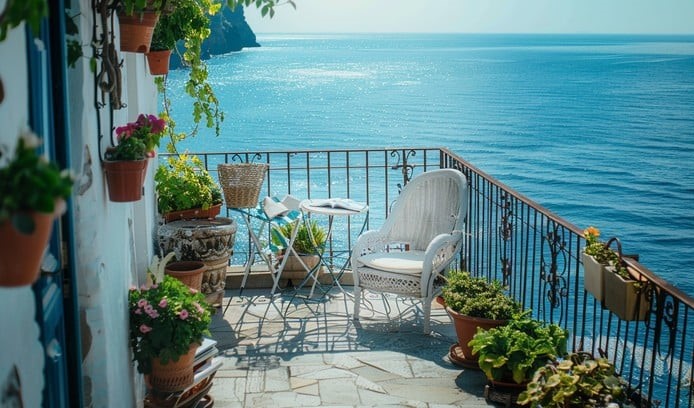
- On a small seaside balcony, I once mixed pots of beach grass with trailing sedums, and added a miniature piece of driftwood as a natural sculpture. Neighbors stopped by asking where they could get that “little bit of the beach”—no fancy landscaping required, just choice plants and thoughtful accents.
- For a front yard project, I lined a sandy pathway with lavender bushes for fragrance and hummingbird appeal, then planted silver ragwort nearby to reflect the sun’s heat. Adding small agave plants gave the scene contrast and structure. The gravel mulch brightened the whole space, cutting down on maintenance and creating a welcoming coastal feel.
- In a larger backyard setting, I created a raised dune bed with beach grass and rounded it off with sea lavender and junipers. Not only did this provide privacy from neighbors, but the windbreak effect of the junipers really saved my more delicate succulents from getting shredded in storms.
When Things Get Tricky: Real Talk on Coastal Challenges
Sandy soil draining water so rapidly it feels like a sieve? I learned to mix in organic mulches like shredded bark or pine needles to help retain moisture without locking out air from roots.
Also, harsh wind can quickly devastate tender plants—my secret weapon has been planting evergreen shrubs or setting up lattice screens as windbreaks, creating pockets of protection where vulnerable plants can thrive.
Another pitfall is assuming one salt-tolerant plant suits every coastal climate. Coastal zones vary widely. I now make a habit of visiting local nurseries or botanical gardens near the coast to ask for native and adaptive species recommendations. Nothing beats local wisdom when it comes to plants that will actually succeed in your particular microclimate.
For more detailed information on plant hardiness, the USDA Plant Hardiness Zone Map is an essential resource for any gardener.
Why You Should Try This Yourself
Here’s the thing—coastal plant styling is surprisingly beginner-friendly if you start in small steps and really appreciate the tough elegance of coastal flora. It’s not about forcing life where it can’t be; it’s about joining the dots nature has already laid out.
You get a garden that feels fresh, open, and alive in a way that connects you to the sea whether you live miles away or steps from the shore.
How to Begin Your Coastal Garden Adventure
- Know Your Zone and Conditions: Before buying anything, find out your USDA hardiness zone and understand whether your coast feels more temperate or subtropical. This knowledge helps you avoid heartache down the road.
- Scout Local Sources: Hit up garden centers or botanical gardens near coastal areas and ask for their tried-and-true salt-tolerant plant picks.
- Design for Wind and Sun: Sketch out your space and decide where the wind is strongest and the sunniest spots are. Place windbreak plants strategically and save delicate ones for sheltered zones.
- Start with a Small Group: Pick a handful of plants like beach grass, sea lavender, and a couple of succulents to get your feet wet (pun intended).
- Bring in Natural Elements Early: Adding sand-colored gravel and driftwood right away helps you see how plants and decor come together to create a vibe.
- Be Gentle with Watering: Many coastal plants prefer it dry and hate soggy feet. Water gradually and watch how your plants respond. The Royal Horticultural Society has excellent guidance on watering practices for different soil types.
By embracing these steps—trusting the plants that have centuries of coastal survival under their belts—you’ll craft a living space that breathes the calm, windswept beauty of the shore every day. Trust me, once you’ve done it, even a tiny balcony can feel like your own little retreat by the sea.