When I first dipped my toes into growing culinary herbs, I was intimidated by the idea of nurturing these delicate plants from seed to harvest. Now, after a few seasons of trial, triumph, and the occasional misstep (hello, drowned rosemary), I can confidently say: growing your own herbs isn’t just doable—it’s downright satisfying, and it transforms your cooking in ways you wouldn’t expect.
The secret isn’t just in sunlight or watering routines—it’s in understanding your plants like little characters with distinct personalities and quirks. Here’s what I’ve learned, beyond the basics, that makes all the difference.
Start With Herbs That Match Your Lifestyle and Space
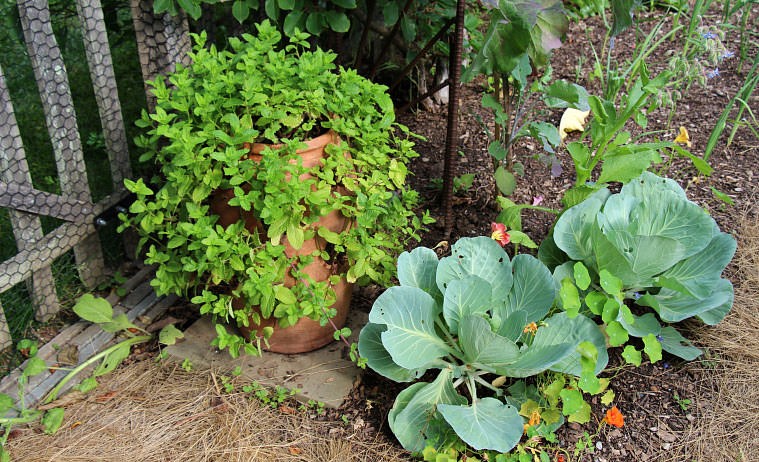
Don’t just pick herbs because they’re popular or look nice. Think about how you cook and what herbs you actually reach for. I once bought fancy Italian herbs but rarely used them; my mint and chives, however, became daily staples. Choose herbs that fit your kitchen rhythm—whether it’s a few sprigs of thyme for roasting chicken or fresh basil to toss into salads.
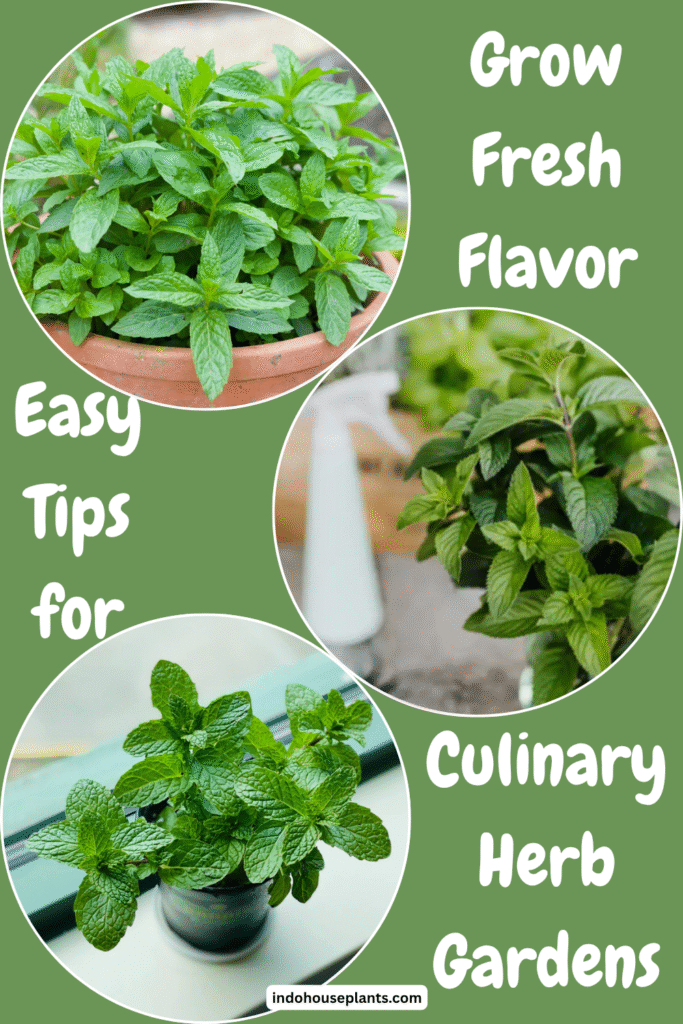
Also, consider the personality of the plant. Mint, for example, is a wild card. If you plant it in the ground, it will take over like a tiny green invader. Container gardening is a must for mint unless you want it everywhere, everywhere.
Sunlight Matters—But So Does Quality, Not Just Quantity
Yes, herbs generally like 6-8 hours of sun, but here’s what most people don’t realize: the intensity and timing of that sunlight impact flavor as much as duration. Morning sun is gentler and preferred by delicate herbs like basil. Rosemary and thyme thrive under stronger afternoon sun.
I adjusted my balcony plants accordingly—basil basking in morning rays behind my kitchen window, while rosemary handles the intense midday glare on the terrace. This setup made a noticeable difference in aroma and leaf thickness.
Soil Is More Than Dirt—It’s the Life Source
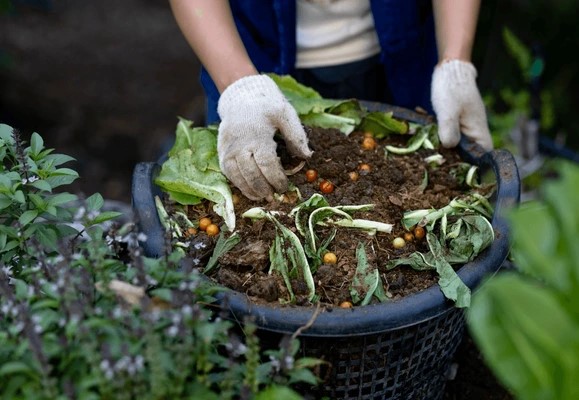
In my early days, I treated soil like an afterthought, just filling pots and planting. Then I noticed my herbs looked tired and weak. After digging a bit deeper (literally and figuratively), I realized soil quality was the culprit.
Composting is a game-changer. I started mixing homemade compost or leaf mold into my soil before planting, boosting nutrients and drainage. Some gardeners swear by adding coarse sand or perlite for sharper drainage, which works wonders, especially for Mediterranean herbs that hate soggy feet.
Watering: The Art of Listening to Your Plants
Watering isn’t about schedules alone; it’s about reading the soil and the plant’s signals. Overwatering is the death knell for many herbs. I learned to wait until the top inch of soil feels dry, then water deeply but infrequently. Rosemary, in particular, thrives when you let soil dry out between waterings.
I also found a trick: watering in the morning helps herbs absorb moisture before the heat of the day, reducing fungal risks. In hotter months, mulch around the base conserves moisture without making the soil soggy.
Pruning and Harvesting: More Than Just Snipping Leaves
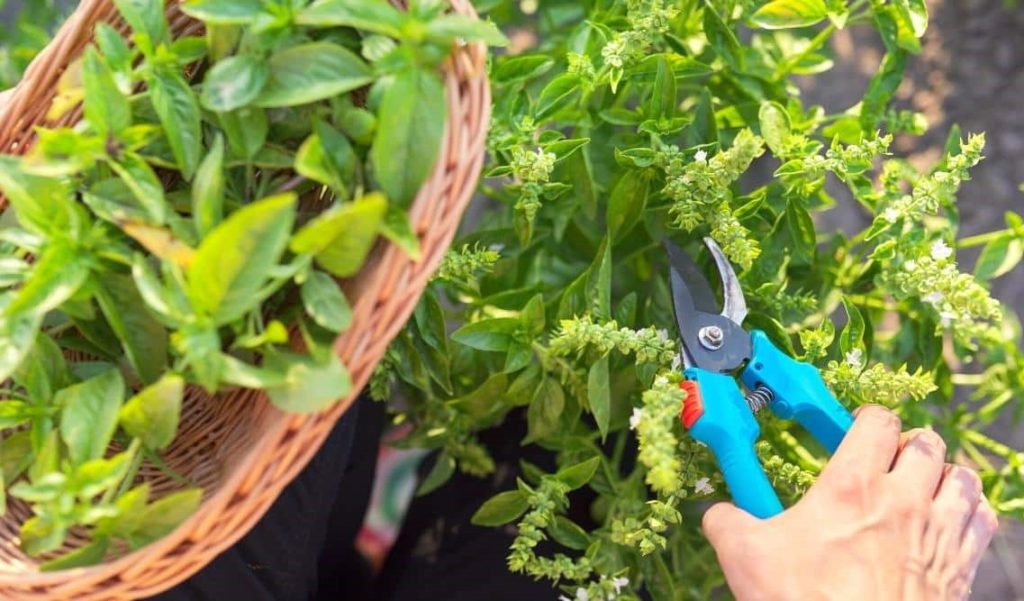
Pinching back herbs doesn’t just give you more leaves—it trains the plant’s shape and vigor. I like to think of it as coaxing my plants into their best performance. For instance, when harvesting basil, I always snip right above a pair of leaves. This little technique encourages branches to grow sideways, creating a bushier, denser plant.
Also, keep an eye out for flower buds—even if you love the look of blossoms, those buds rob energy from leaf production and can alter flavor profiles, sometimes making leaves bitter. Snip flowers off early to keep the flavors vibrant.
Real-Life Wins and Lessons From My Garden
- Basil on My Kitchen Windowsill: I remember the first time I grew basil indoors. It was a tiny pot with modest morning sun, but mixing my own potting soil with compost and watering strictly when dry turned that scraggly seedling into a lush, aromatic powerhouse. The real win? Being able to grab those fresh leaves while cooking—flavor so much brighter than store-bought.
- Rosemary‘s Resilience Outside: My rosemary is planted in a sandy, sun-drenched corner by the porch. I barely bother watering unless there’s a long dry spell, trusting its hardy roots. Quick prunes after winter help it bounce back deeper and more fragrant, perfect for my roasting and grilling sessions.
- Keeping Mint in Check: Mint’s enthusiasm for growth is borderline aggressive. When I first planted it in the garden, it started creeping into other beds. Now, in a dedicated pot, it’s a rapid, refreshing source for mojitos and tea, kept neat by weekly trims.
Troubleshooting Tips You Won’t Hear in Every Guide
- Yellowing Leaves Aren’t Always From Overwatering: Sometimes it’s nutrient imbalance or root-bound plants if in pots. Don’t just water less—check if your plant needs repotting or a gentle feed.
- Leggy Herbs May Not Just Need More Sun: It could be lack of airflow or overcrowding. Make sure herbs aren’t smothering each other and that there’s good circulation to keep stems strong.
- Fight Pest Problems Naturally: Aphids and spider mites love tender herb leaves. Before reaching for sprays, try rinsing your plants under a gentle shower—you’d be surprised how often just a water bath resets their balance. For stubborn pests, organic insecticidal soap works without risking your leafy harvest. For more on this, the University of Minnesota Extension has a great guide on managing garden insects naturally.
- Flowering Isn’t Always a Bad Thing: Some herbs, like chives, develop striking flowers that are edible and add flair to dishes. But if you want leaves, keep an eye on buds and prune mindfully.
Your Herb Garden Is Waiting—Make It Personal, Not Perfect
There’s something deeply satisfying when a pinch of fresh thyme or a handful of aromatic lemon balm from your own garden transforms a simple dish. Beyond flavor, it’s the process—getting your hands in the soil, discovering how your herbs grow and respond to your care—that makes it special.
Don’t stress if your early attempts look scrappy. I’ve had wilted seedlings, yellowed leaves, and overgrown mint chaos. Each challenge was a lesson, and each harvest a small victory that kept me going.
Quick-Start Checklist to Get Your Herb Garden Thriving
- Scout out your sunniest spot (morning sun for tender herbs, afternoon for toughies).
- Prep your soil with compost or organic matter to feed and drain.
- Pick 2–3 herbs that fit your cooking style and space—start with favorites like basil, parsley, or mint.
- Grab healthy seedlings or quality seeds from nearby growers or a farmer’s market.
- Plant with care, giving each herb enough elbow room to grow.
- Water mindfully—let the soil tell you when it’s thirsty.
- Harvest regularly, pruning to keep plants bushy and flavorful.
By the end of the weekend, you could have your first pots ready to nurture. From that point on, it’s about paying attention, adapting, and savoring both the process and the incredible taste of home-grown herbs.
Gardening these little flavor powerhouses is not just growing plants—it’s growing a connection to your food, your kitchen, and yourself. Every leaf you pluck is a tiny triumph, a fresh burst of life on your plate, and proof you’ve got this.