I remember the first time I got involved with a community vegetable garden—it wasn’t just about growing tomatoes or peppers; it was about forging connections with people I barely knew and learning how to nurture life together. If you’ve ever felt that mix of excitement and uncertainty about starting or joining a community garden, you aren’t alone. This isn’t just dirt and seeds; it’s people, plans, conversations, and a little bit of trial and error.
From my experience, community vegetable beds do more than save space or share harvests—they become a vibrant social hub, a classroom, and a sanctuary all rolled into one. Let me walk you through how you can create something like this in your neighborhood, with some real-life insights you won’t find in the usual how-to lists.
1. Scout Out a Spot That Sparks Energy, Not Just Sunlight
Yes, sunlight is crucial—ideally 6-8 hours daily—but here’s what most don’t realize: the location’s energy is just as important. When you visit potential spots, pay attention to:
- How easy it is for people to get there
- Whether it feels welcoming
- If there’s space for beds and for people to pause and chat
I’ve seen community gardens thrive in unlikely places—a forgotten strip behind a library, a churchyard corner, even a front yard turned shared space. One neighborhood got permission for raised beds next to a playground, and kids ended up joining the garden too.
Pro tip: If there’s no existing garden, talk to your city or school officials. They often have projects waiting for grassroots energy.
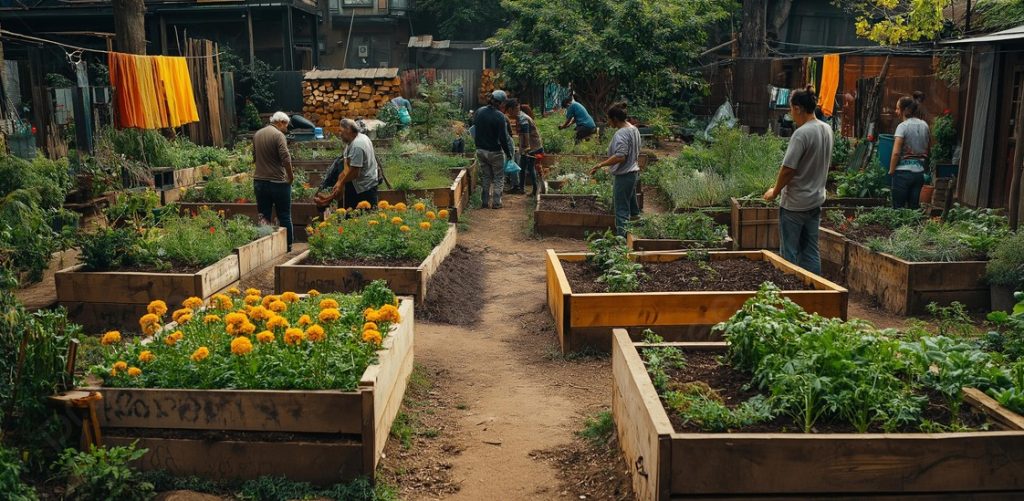
2. Build Your Crew With Clear Vibes, Not Just Names
Gathering people isn’t just about numbers. In one garden I helped with, we realized early that some neighbors had very different ideas about communal ownership. So we had honest chats about:
- Commitment levels
- How to handle conflicts
- What “fun” looked like for everyone
Try this: Kick things off with a casual meet-up (backyard or café). Share your gardening journey—what excites or scares you. Find out if others want learning, community, fresh food, or something else.
Most groups thrive with:
- Simple roles (plot caretaker, watering coordinator)
- Ground rules you write together (e.g., no toxic sprays)
- A communication channel that fits your crowd (WhatsApp or bulletin board)
Example: Three families in my last garden rotated watering duties but stayed flexible when life got busy.
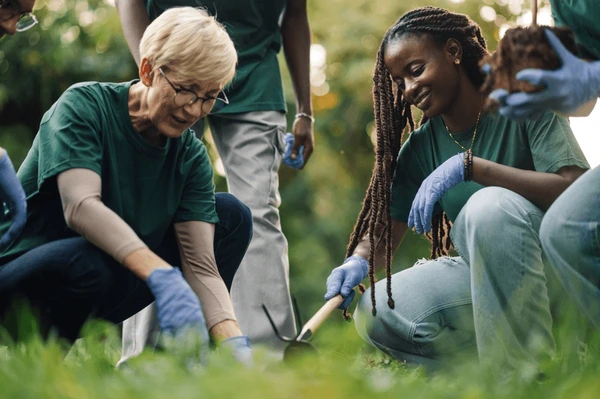
3. Pick Your Plants Like You’re Planning a Dinner Party, Not an Assembly Line
It’s tempting to plant everything, but focus on what you actually eat, what fits your climate, and what’s beginner-friendly.
My top picks for community beds:
- Lettuces and radishes: Fast, forgiving, and satisfying early harvests.
- Tomatoes and peppers: Need care but reward effort.
- Herbs like basil and parsley: Low-fuss staples.
Companion planting tip: Mimic nature to deter pests. Marigolds near tomatoes fend off bugs, and beans with cucumbers save space by climbing trellises.
4. Craft Beds That Feel Like Home, Not Just Boxes of Dirt
Raised beds warm faster, drain well, and can be eco-friendly. Use reclaimed wood or untreated pallets to cut costs.
Soil secret: Mix quality topsoil and compost. One garden’s composting workshops boosted yields the next year.
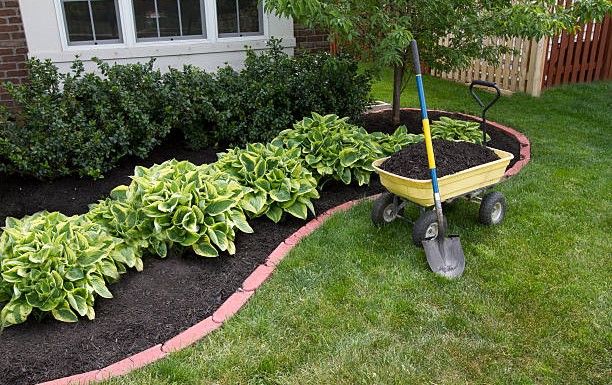
Mulching magic: Reduces weeds and watering chores. Straw or wood chips work wonders.
Space hack: Go vertical with trellises for cucumbers, beans, or peas.
5. Treat Garden Care Like a Team Sport, Not a Sprint
Create a shared maintenance routine that’s doable and fun. Celebrate workdays with potlucks or coffee breaks.
Memory lane: My favorite monthly potluck featured dishes from that month’s harvest—kale, tomatoes, and herbs became dinner guests.
Boost engagement: Host a “grow your own salad” workshop or seed swap.
Real Challenges—and How to Turn Them Into Wins
- Never gardened before? Start small. Tap free resources like your local extension service.
- Group disagreements? Revisit your shared values. A clear-agenda meeting often helps.
- Pests or poor soil? Plant marigolds, nasturtiums, or garlic as natural defenders.
- Time-crunched? Focus on herbs and lettuce—they thrive with minimal care.
Why Keep Going When It’s Tough?
Community gardens are friendship incubators and skill-sharing hubs. Even crop failures teach you about your microclimate—and bond you over shared lessons.
Ready to Jump In? Your Starter Pack
- Reach out: Check with local parks or libraries for spaces.
- Put out a call: Use neighborhood apps or flyers.
- Visit gardens: Offer to help and steal ideas.
- Gather tools: Gloves, trowels, and easy seeds like lettuce.
- Host a meet-up: Brainstorm roles and pick a planting day.