When I first tackled choosing carpet for my own living space, I remember being overwhelmed by the jargon. It wasn’t until I got my hands (and feet) on real samples that things clicked. Let me share what I learned the hard way, plus some insider tips you won’t usually hear.
The Real Scoop on Carpet Bedding Styles
Think of carpet bedding styles as the way the carpet’s “hairs” are constructed—this affects everything from softness to durability. There are three core types that every carpet shopper will want to know:
1. Cut Pile Carpets — The Cozy, Cushiony One
Cut pile carpets are like the plush rugs you want to sink your toes into after a long day. Imagine your fibers standing tall and proud because someone sheared their ends evenly. This creates a soft, luxurious surface.
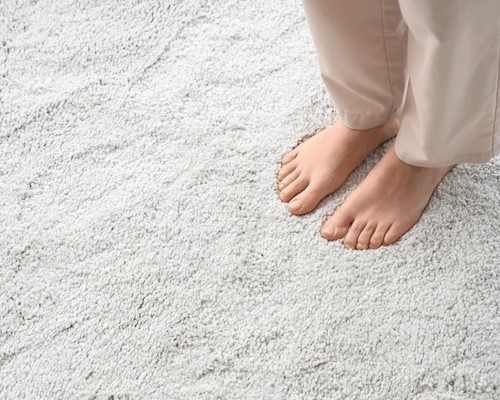
Sub-styles to know:
- Saxony: Feels like a classic hotel room carpet—smooth, formal, and elegant. Great if you want a polished look but beware, it can show footprints and vacuum marks.
- Frieze: These fibers are twisted tightly, which means they don’t just look textured; they hide footprints and dirt better. I’ve used frieze carpet in a high-traffic family room, and it’s been a champ surviving everything from spilled juice to dog paws.
- Plush: The smoothest and most uniform. It looks sharp but, in my experience, it can be a footprint magnet—perfect if you want a clean, polished look and aren’t worried about heavy wear.
When to pick cut pile? Bedrooms, cozy living rooms, or any place where you want that indulgent, soft touch underfoot.
2. Loop Pile Carpets — Tough as Nails
Loop piles keep the fibers in little loops instead of cutting them, which makes them quite sturdy. The texture is firmer and can feel more textured or coarse depending on the loop height.
Popular forms:
- Berber: A classic loop pile with thicker yarn and speckled colors. Great for hiding dirt and wear, which is why we often put it in entryways or hallways.
- Level Loop: All loops are the same height, giving a smooth surface that handles traffic well.
- Multi-level Loop: Different loop heights create subtle patterns and textures, adding a decorative touch without relying on color.
Loop pile carpets have saved my sanity in busy parts of the house, like staircases or mudrooms, where durability and dirt-hiding capabilities are non-negotiable.
3. Cut-and-Loop Pile Carpets — The Artist’s Choice
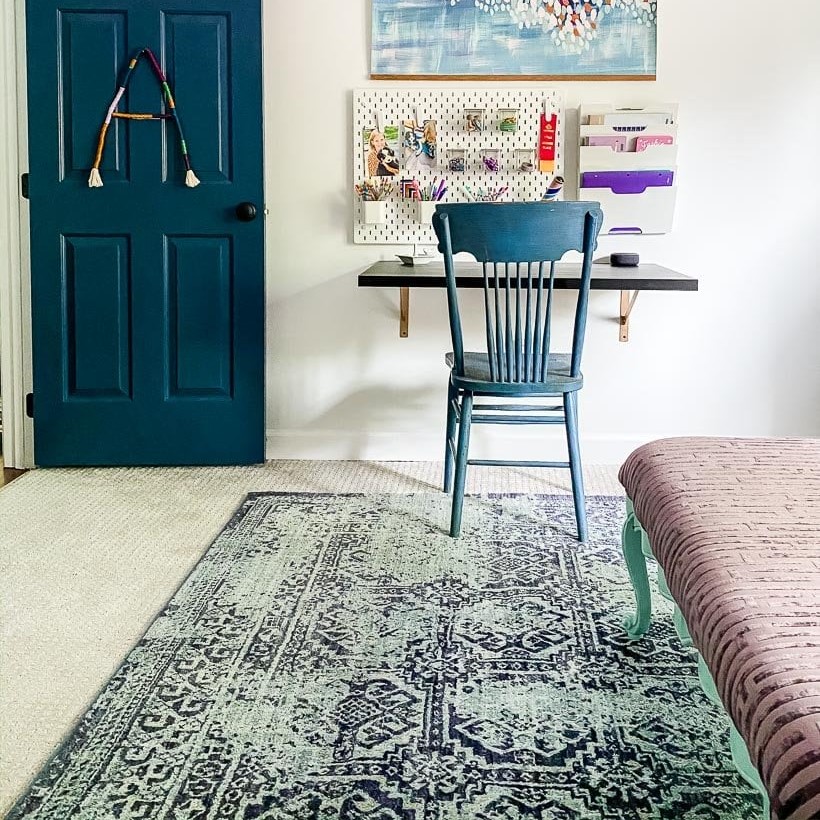
This style blends both cut strands and loops to create depth and patterns. It’s where carpets become a subtle artwork under your feet. You get texture and visual interest without bold colors or prints.
I used a cut-and-loop carpet in my home office because it adds dimension and helps hide wear—plus it makes the room feel more dynamic without distracting me while I work.
Why Carpet Style Choices Matter More Than You Think
Most people focus on color or price, but here’s what most don’t realize: the bedding style you pick profoundly impacts how your carpet ages and how you live with it day-to-day.
- Softness vs. Durability: Cut piles are softer and more luxurious, but they can crush or show footprints. Loop piles won’t give you that plush feel, but they stand tall for much longer and hide dirt.
- Maintenance: Loop piles can snag if you have pets with sharp claws (learned this one after frustrating battles with my cat). Cut pile’s evenness can show vacuum lines but is easier to clean in some ways.
- Visual factors: Cut-and-loop styles allow for creative patterns that can elevate your design without overwhelming the room or requiring a bold wall color.
For more on carpet maintenance, check out this Carpet and Rug Institute guide.
How I Matched Carpet Styles to My Everyday Life
- In the master bedroom, I chose a plush cut pile carpet in a calming neutral tone. The softness feels like a gentle hug every morning, and honestly, it transformed how I wake up.
- For the entryway and stairwell, a darker Berber loop pile carpet was a life-saver. It takes the daily trample of muddy boots and dog paws, and I barely worry about stains.
- In our home office, the cut-and-loop pile with subtle geometric pattern adds an unexpected but sophisticated flair. It’s the kind of detail people don’t notice consciously, but subconsciously it makes the space feel intentional and interesting.
A Few Real-World Tips You Won’t Hear at the Store
- If you have kids or pets, avoid very plush cut pile in main traffic zones. Those high fibers demand gentle care, or you’ll see them mat down fast.
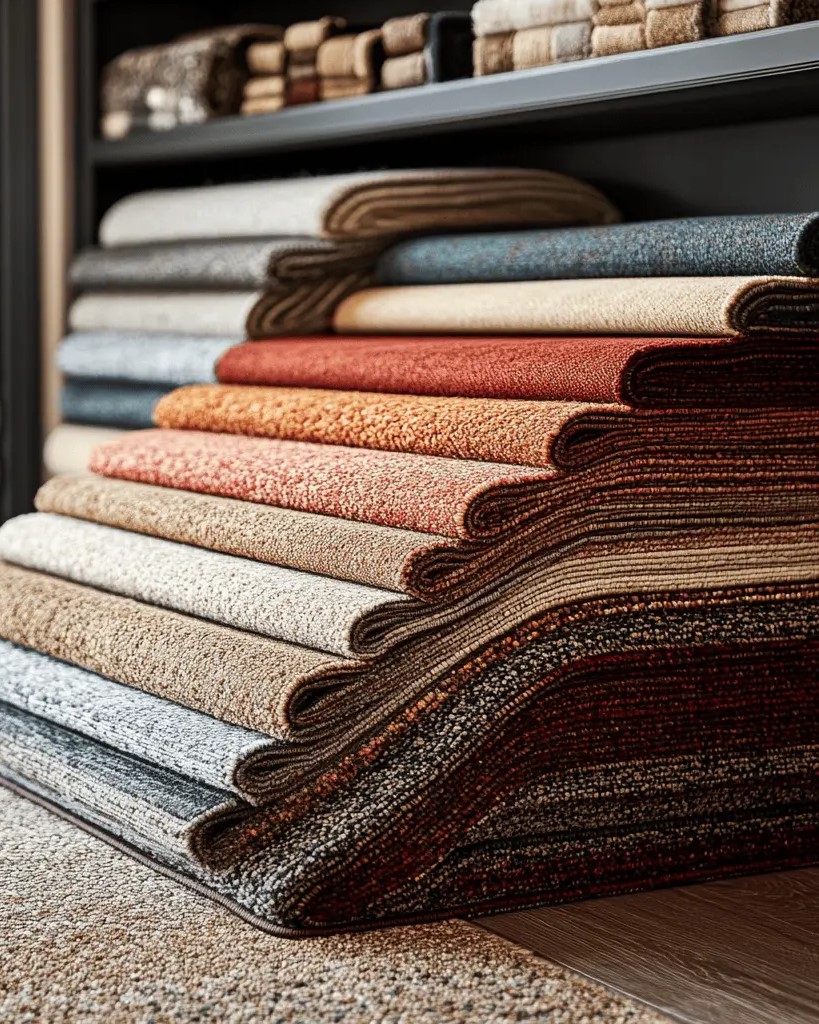
- Try placing samples in different lighting throughout your home. Carpet colors can shift dramatically from morning sun to evening lamps.
- Don’t underestimate texture. I once bought a carpet solely based on color, then regretted it because the scratchy loop texture felt like walking on pine needles.
- Ask about fiber type, but focus on style first. Nylon is a workhorse fiber for durability, polyester is better for vibrant patterns, and wool offers natural elegance but costs more and takes more care.
Feeling Overwhelmed? Here’s a Quick Personal Game Plan
- Write down your non-negotiables: Is comfort king? Are you after maximum durability? Is style a priority?
- Call local carpet stores and ask for samples of all three styles—cut pile, loop pile, and cut-and-loop.
- Make a day of it—feel the samples with your bare feet, walk over them, even drag a chair leg across to test resilience.
- Snap photos of the samples in your rooms and live with them for a few days to imagine them in action.
- Bring your questions. The right salesperson who knows your lifestyle can save you from costly mistakes.
Ultimately, your perfect carpet is not the fanciest or most expensive one—it’s the one that lives effortlessly with your family, matches your style, and keeps you happy every time you step inside. It’s a journey, but one with a soft, stylish (and practical) finish. You’re already closer than you think.