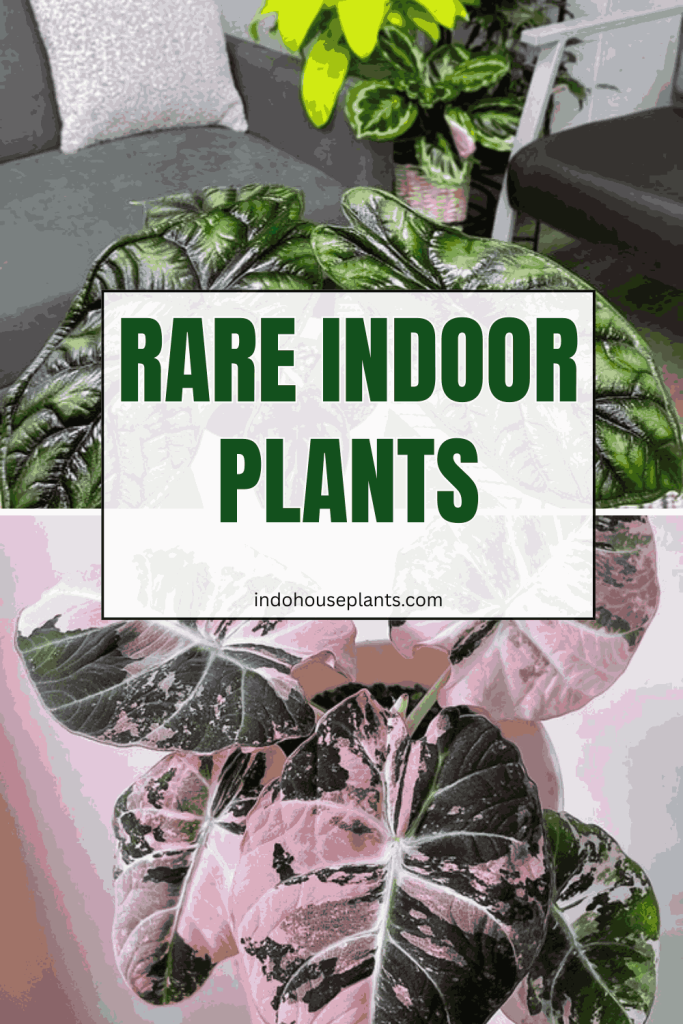
If you’ve ever caught yourself drooling over someone’s Instagram post of a Monstera with brushstrokes of creamy white or a Philodendron leaf splashed in bright pink, you know the siren call of collecting rare indoor plants. Honestly, owning a shelf full of these gems feels like carting home living works of art—half bragging rights, half daily delight.
But here’s a confession: When I bought my first rare plant (a scraggy little Pink Princess Philodendron, traded from a total stranger in a grocery store parking lot), I was so anxious I checked on it every morning like a parent with a newborn. If that’s you, welcome to the tribe! Here’s everything I’ve learned—triumphs, facepalms, and happy surprises included.
What Actually Makes a Houseplant ‘Rare’ (And Why It Matters WAY Less Than Instagram Wants You to Think)
Instagram has made ‘rare plant’ a buzzword, but the definition isn’t as simple as “expensive and hard to find.” Sometimes, a plant is rare because it barely propagates (Monstera Adansonii ‘Mint,’ I’m looking at you), or because variegation comes down to pure genetic luck and patience.
Sometimes, it’s just because garden centers don’t order enough. I’ve even seen common plants get hyped into ‘collector’ status just because of supply chain weirdness.
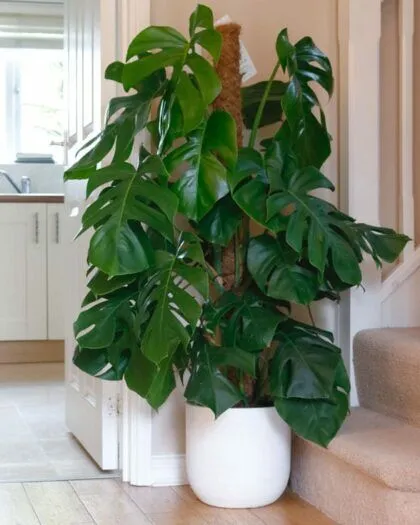
Inside Scoop: Not every rare plant is fragile. The Monstera Albo might look like a diva, but mine has survived everything from missed waterings to an ill-fated cat encounter and still puts out new leaves. In contrast, my Alocasia Frydek sulked for an entire month after a drafty winter—these guys really do have personalities.
The Secret Shortlist: Gorgeous (and Less-Overwhelming) Rare Plants Worth Tracking Down
It’s tempting to grab everything with variegation, but my advice? Start with one or two plants that truly speak to you. Here’s what’s earned a spot in my own collection—and what I wish I’d known before bringing them home:
1. Monstera deliciosa ‘Albo’ or ‘Thai Constellation’
I hesitated for months because of the price—good Albos are an investment (I paid $120 for a single-node cutting, sweating the whole time). But here’s the thing: Monstera Albos are remarkably forgiving as long as you don’t overwater them. Mine didn’t do much for six months, but patience paid off—each new leaf is like opening a present.
2. Philodendron Pink Princess
Hot tip: The pink only stays vibrant with LOTS of bright, indirect light. My first PPP’s leaves went muddy green until I moved it to my brightest window, and within two months, the new growth flashed bubblegum pink again. Cuttings can be much more affordable (I paid $35 for a rooted one) and watching it grow feels wildly satisfying.
3. Anthurium clarinervium
My velvety showstopper. There’s something luxurious about those quilted, heart-shaped leaves. I keep mine happy by clustering it with my other humidity-loving plants and—contrary to most advice—I skip the pebble tray and just run a cheap $18 desk humidifier nearby. Don’t stress too much: a missed watering won’t spell doom.
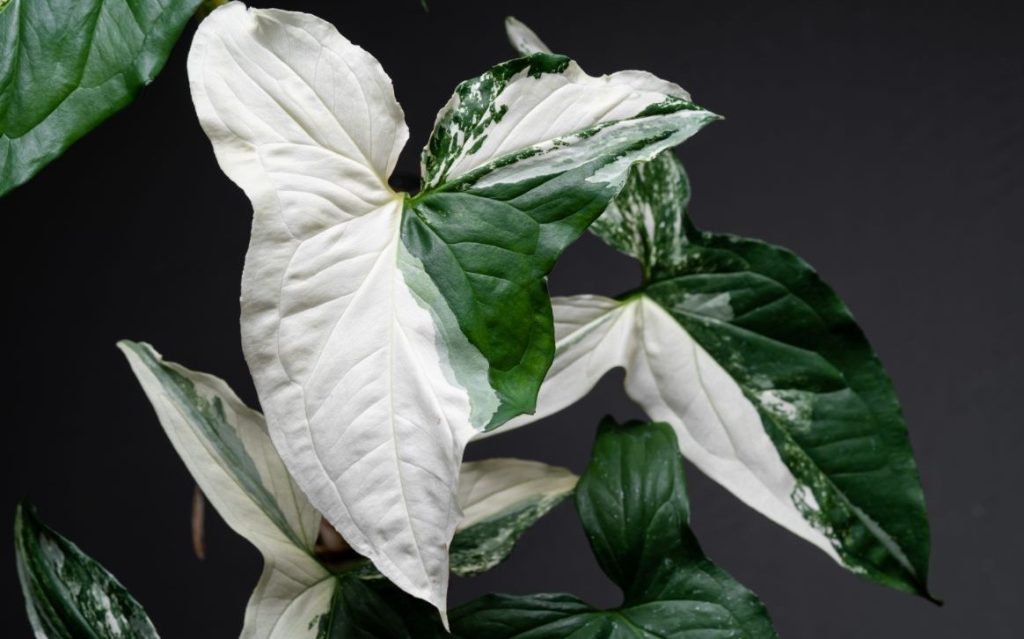
4. Syngonium ‘Milk Confetti’
If you want a starter rare plant, grab one of these. They’re cute, forgiving, and the pink splashes look amazing in terracotta. Mine even survived a few weeks of pure neglect when I was traveling. Pro tip: Too much sun will fade those pink speckles, so err on the side of moderate light.
5. Hoya carnosa ‘Compacta’ (Hindu Rope)
Hoyas are my kind of plant: slow, but steadfast. This one drapes and curls in on itself like a botanical pretzel, and if you’re lucky, you’ll get otherworldly “porcelain” blooms. Honestly, it thrives on benign neglect—I water every couple of weeks and reward it with a gentle spring feed. Don’t repot often; they love being snug.
6. Alocasia ‘Frydek’
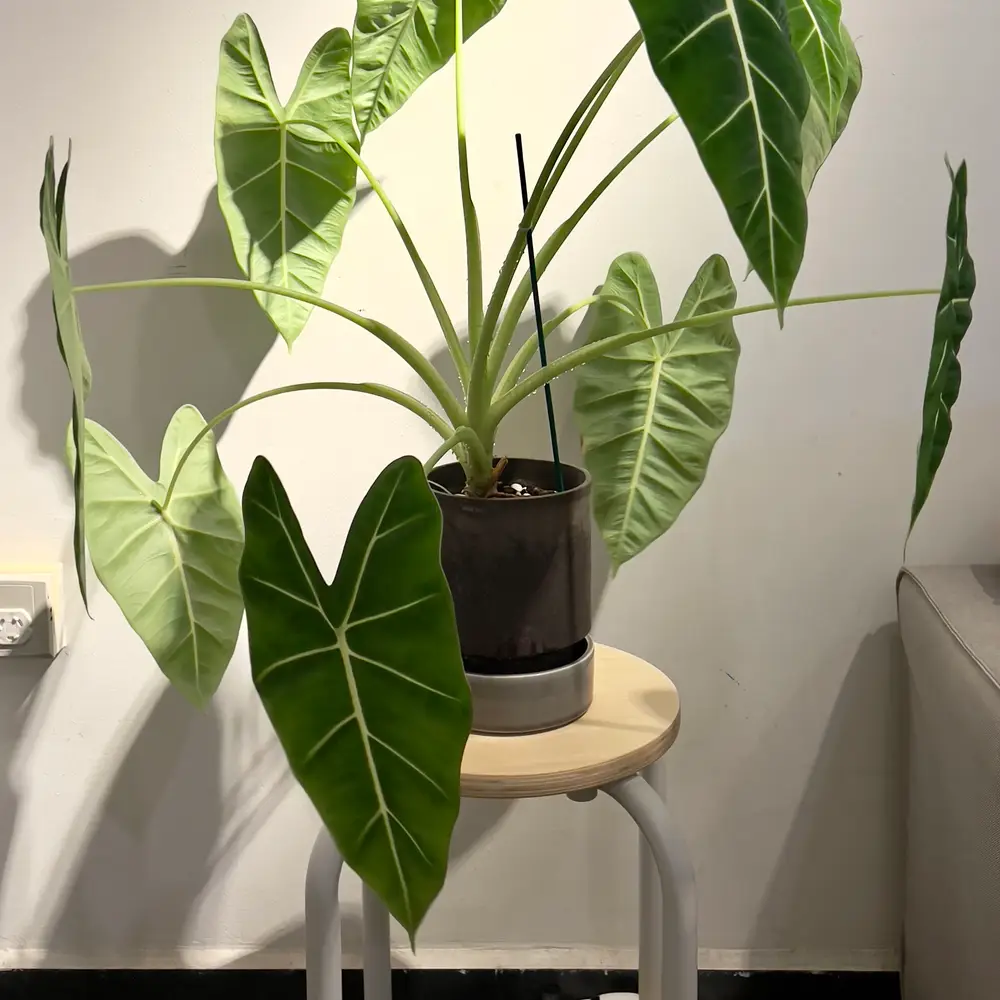
The velvet! The neon veins! But warning: these are drama queens about humidity and drafts. I nearly lost two leaves during a cold spell, but after moving it to a warmer room and gently upping the humidity, it perked back up. If you tend to fuss over your plants, Frydek will keep you on your toes.
7. Philodendron Gloriosum
This one’s a slow-motion masterpiece—the leaves get huge, and the crawling growth habit means it stays low and dramatic. Mine took a year to really impress, but watching those heart-shaped leaves unfurl was worth the wait. If you have the patience, this is a showstopper.
Real Life Stories: Wins, Fails, and Learning Curves
- First-Time Albo Rescue: I scored a Monstera Albo cutting that looked on death’s door—one half-yellow leaf, two nodes. I babied it under a grow light in a ziplock bag for extra humidity, and after three nerve-wracking weeks, roots exploded. I’m now the proud parent of a thriving “two-leafer.” Moral: Don’t be afraid to grab “ugly ducklings” on the cheap—they often bounce back with basic TLC.
- PPP Sunburn Scare: After a move, my Pink Princess caught a bit too much afternoon sun. The pink faded fast, but all it took was shuffling it back from the window and those legendary colors reappeared. It’s a living lesson in plant resilience.
- Clarinervium Bounce-Back: I once let my Anthurium clarinervium dry out far too long (procrastination strikes again). The leaves drooped, but after a thorough soak and bringing up the humidity, it not only recovered but popped out a perfect new leaf—my little comeback story.
The Stuff Most Collectors Don’t Tell You
- Trades Trump Shops: The rarest plants in my collection have come from local swaps and online trading groups, not high-end shops. Facebook groups and Instagram DMs are a treasure trove if you’re patient and polite.
- You Don’t Need a Greenhouse: My “micro-jungle” survives in a north-facing apartment window. Pebble trays, clustering plants together, and a $20 humidifier work magic.
- Cuttings = Best Value: Buying a rooted cutting feels less glamorous, but you’re in for the full journey—watching roots develop, the first new leaf, the slow crawl to maturity. Plus, you’ll panic less if it costs under $50.
FAQ Missteps (And How to Dodge Them)
- Don’t Overbuy: I made the classic rookie mistake of ordering three rare plants at once and feeling utterly overwhelmed. Your best bet? Start with one* or *two, learn their signals, and build confidence before you get bitten by the bug full force.
- Document Everything: I snap photos and jot down quick notes in the notes app. Track what works—like that my Gloriosum prefers drying out between waterings. This turns you into your own plant whisperer.
- Ask for Instructions: Most collectors are generous with their wisdom. I got my Hoya Compacta after peppering a seasoned grower with DMs—tip: collectors LOVE helping newcomers. Don’t be shy.
Ready to Start? Here’s My Real-World Jumpstart Checklist
- Narrow Down Your Wishlist: Pick 1 or 2 plants that spark your curiosity—not just what’s trending.
- Stalk Social Media: I use
#planttradeand#houseplantswapon Instagram and Facebook. It’s where I landed cuttings and found mentors! - Set Up Their Home: A bright spot (but not sun-blasted), chunky potting mix, and a basic humidity hack: bunch your plants together, or even set a bowl of water nearby.
- Ease Into It: Go for a rooted cutting versus a big plant—less risk, more fun. Ask for care tips directly; you’ll avoid common pitfalls.
- Track Your Progress: Take before/after pics. Jot down what you tweak in watering, light, etc. These tiny experiments teach you more than any YouTuber ever could.
Bringing home rare and collectible houseplants is less about flexing your wallet and more about tuning into the quirks of each “roommate.” Yes, there are setbacks—my Frydek has thrown a tantrum or two—but the reward is real: nothing beats the thrill of seeing a new, wildly colored leaf unfurling across your kitchen table.
If you hit a setback, know that every collector (me included) has made mistakes, lost leaves, and salvaged plants from the compost heap. It’s all part of the fun. So pick that first plant, take a deep breath, and join the rare plant adventure—your windowsill will thank you. And who knows? Next time, you’ll be the one sharing advice (and cuttings) with the next hopeful collector.