You might think Chinese money plants are just another trendy houseplant—easy, predictable, as long as you stick to the usual checklist. But here’s where I’m going to nudge you off the beaten path for a minute. Because after years of trial, error, and accidental plant neglect (let me break this down: cold apartments, missed waterings, cats that think leaves are snacks), I’ve learned that most of the advice out there is a bit too paint-by-numbers.
Let’s flip the script and get into what genuinely matters with Pilea peperomioides—and dispel a few tired myths while we’re at it.
Think You Need Perfect Light? Not So Fast
“Place your Pilea near an east-facing window” is fine advice if your home was designed in coordination with a feng shui consultant and sunlight is plentiful. But what about basement apartments or gloomy winter days? Here’s what most people don’t know: these plants will often do just fine even when lighting is sub-optimal if you give them time to acclimate.
Back in 2019, I picked up my first Chinese money plant and plopped it on a shelf six feet from any natural light—right next to some books and, regrettably, an old lava lamp. Guess what? It looked awkwardly stretched for a while but survived just fine with the occasional rotation—a testament to how adaptable these “delicate” plants truly are.
What matters more than chasing perfect light is consistency. Move them too much or panic every time a leaf droops? That’s more likely to stress them out than any less-than-ideal sunbeam.
Contrarian Tip: Instead of stressing over finding “the best” window spot, pick one reasonably bright place and leave your Pilea there. Don’t shuffle it around weekly—plants find their rhythm when you stop micromanaging!
Forget Fancy Soil Secrets
Online guides love recommending elaborate soil mixes—add perlite here! A dash of coco coir there! But let me share an unpopular opinion: basic potting mix does just fine if you’re not a chronic overwaterer.
I’ve potted half my collection in standard hardware-store potting soil (Miracle-Gro for what it’s worth) and only really noticed an issue when I got overzealous with watering. Once or twice I’ve even mixed in sand from my kids’ sandbox — works in a pinch!
Here’s what most people don’t realize: The real secret weapon isn’t soil—it’s drainage holes. Always pick pots with generous drainage (better yet, put some mesh tape across the hole so soil doesn’t clog it).
About Watering: There Is No Schedule
Most guides swear by the “wait until top inch is dry” rule—but humidity plays tricks here. In my house during winter, that top inch dries so fast you’d think something was wrong; come summer in humidity city? The bottom stays soggy even after weeks.
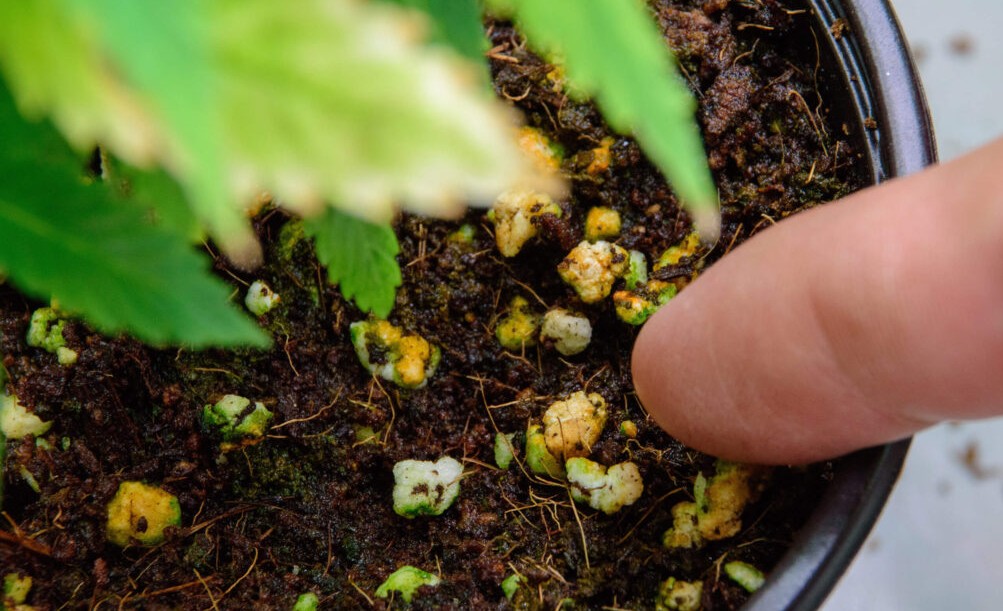
Think of it this way: touch counts for more than timers or schedules. Push your finger down two knuckles into the soil (I call this The Knuckle Test—patent pending). If it feels damp at all below the first inch, hold off on watering—even if everyone else says otherwise.
And step by step—you’ll learn from underwatering mistakes quicker than from playing it safe with constant moisture (where root rot lurks). My first Pilea lost three lower leaves before I realized my “just-in-case sips” were making things worse.
Do Plants Really Like Company?
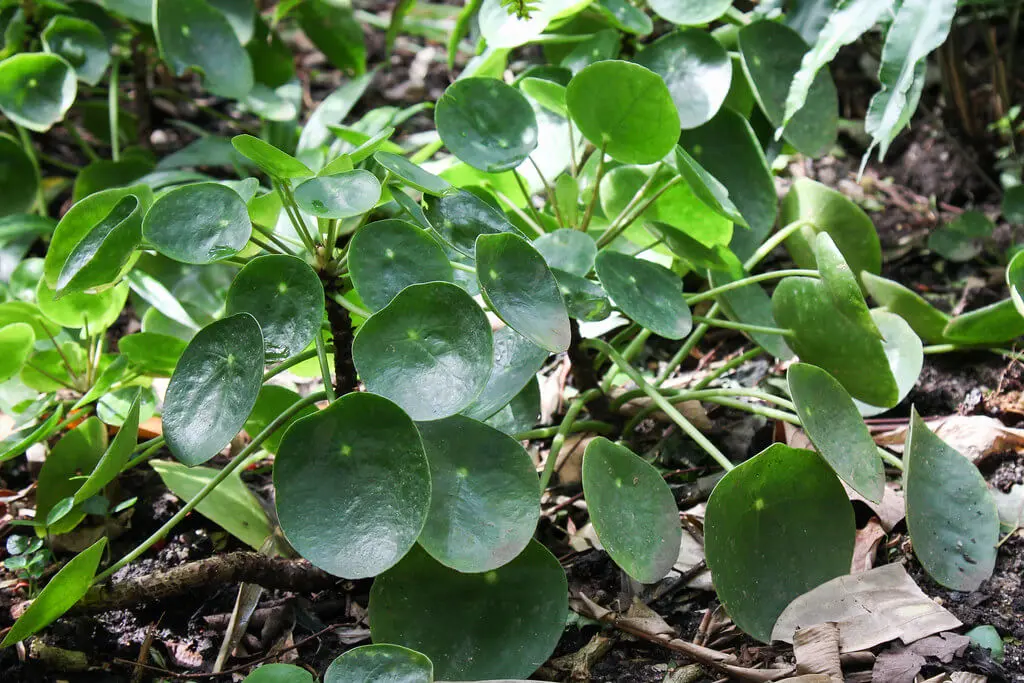
Here’s one twist most folks never try: giving your Pilea social hour. Anecdotally—and bear with me—I’ve found that clustering several plants together (say three different species) actually boosts ambient humidity and keeps pests away. Maybe they like sharing microclimates; maybe I’m anthropomorphizing too much! All I know is my loneliest Pilea always seemed thirstier and dustier until I gave her some leafy friends nearby.
Fertilizer FOMO? Skip It More Than You Think
I used to follow monthly reminders—feed in spring! Feed in summer! Then one spring break trip turned into two months away… no fertilizer at all… And yet my plant doubled its leaf count anyway once normal watering resumed.
Personal proof: Less really can be more.
Use half-strength liquid feed at most once per month during major growth spurts only—and even then skip if leaves look happy.
What didn’t work for me was succumbing to marketing hype about specialty blends; those made no visible difference versus plain old balanced houseplant feed.
The Baby Plant Bonanza Isn’t Always as Planned
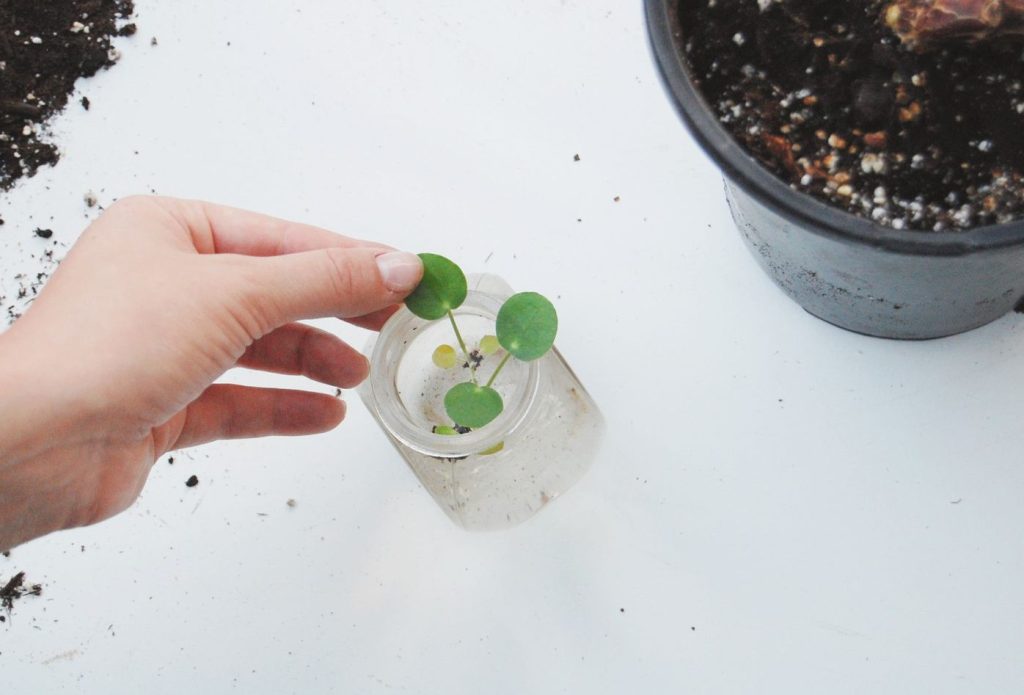
Let me admit something—a lot of “how-to-propagate” advice ignores reality: sometimes those pups refuse to show up no matter how loving your care routine seems. Once I spent months checking under mature leaves expecting new growth after reading online promises… nothing appeared until autumn hit and temperatures dropped suddenly. Turns out stress—not coddling—sometimes kickstarts pup production!
And separating babies early backfired once on me; root systems weren’t ready and they wilted within days. Best lesson? Wait till pups have sturdy roots at least 1″ long—don’t rush because someone online has cuter propagation photos.
The Real Value Isn’t Material
Now here’s where most content gets it backwards: everyone talks about fortune symbolism or design aesthetics—the truth is caring for this plant teaches patience far better than good luck.
Watching mine rebound after dormancy each spring has become an annual reminder that resilience beats perfection every time.
Each blemished coin-shaped leaf tells its own small story (“remember that time you left me outside overnight by accident…?”), which sounds goofy unless you’ve lived it!
Troubleshooting Without Overreacting
Again—step by step:
- Droopy leaves: Could be temp shock, low water OR low light—not everything means disaster.
- Yellow spots: Often just old age or uneven watering—trim without guilt.
- Curling leaf edges: Maybe dry air; put a pebble tray under your pot before buying expensive humidifiers.
No question is silly during plant care learning curves—in fact,
some of my best fixes came from asking those supposedly “dumb” questions at local garden centers (“um…is it normal mine leans like Pisa Tower?”).
Wrapping It Up – Your Authentic Way Forward
The contrarian take? Stop waiting for perfect conditions—or thinking failure means you lack a green thumb!
Plant care isn’t about getting 100% right, but responding gently when things go unexpectedly sideways.
If you give sincere attention instead of fussing over every guideline,
Chinese money plants will reward you not just with lush leaves—but sharper instincts as a caregiver.
So check your soil now (knuckle test!), wipe down those shiny coins,
and celebrate every slightly wonky new sprout—they’re proof you’re genuinely growing too.
You’ve totally got this…and probably have already done better than all those generic lists could predict!