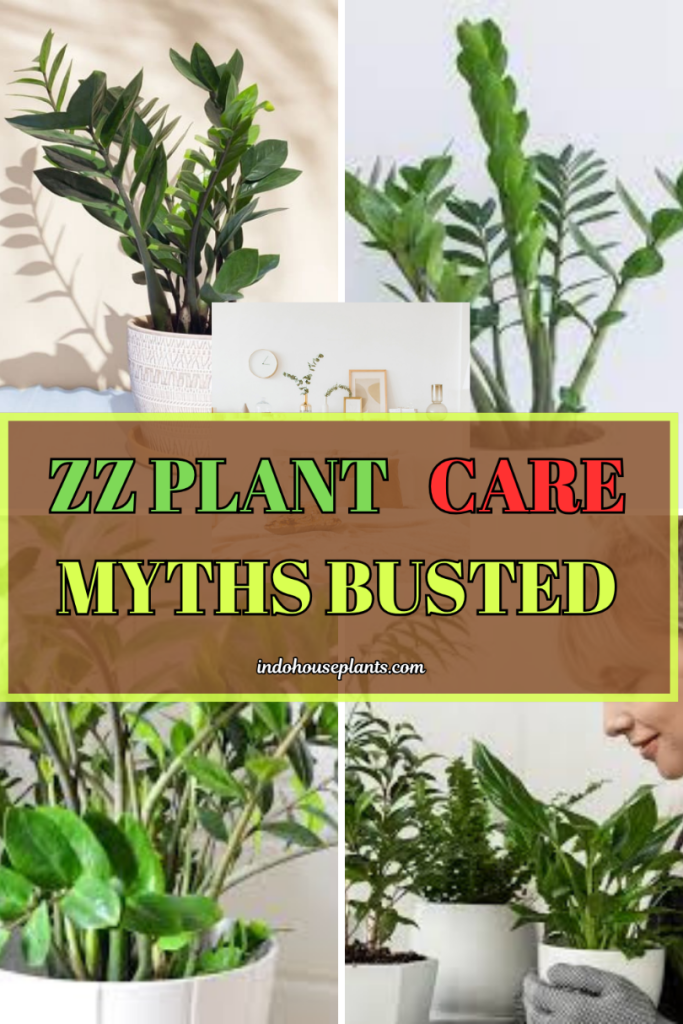
If you’ve been told the ZZ plant is “impossible to kill,” let’s get one thing clear: that badge of honor is both a blessing and a curse. From my experience, this reputation leads people to ignore it completely, or worse—overcompensate and drown the poor thing in misguided care.
I learned this the hard way when my first ZZ plant, gifted during my “urban jungle” phase in 2017, went from glossy green to yellow mush because I couldn’t resist watering it every Sunday like clockwork. Lesson number one? Your schedule means nothing to a Zanzibar Gem.
Let’s debunk some common folklore and dig into what actually works—beyond just “set it and forget it.”
What Most People Don’t Know About the Zanzibar Gem (ZZ Plant)
You’ll read everywhere that ZZs thrive on neglect. That’s only half true. The real secret? They survive neglect but don’t thrive on it. That neglected ZZ in your dentist’s waiting room might look alive—but up close, those limp stems and faded leaves tell a sad story.
What worked for me was treating mine less like a succulent centerpiece and more like a long-term project—with occasional observation, not total abandonment.
Here’s what most people don’t know: if you catch new growth early—a tight pale green coil poking up—you can actually coax faster expansion with warmth (think: moving it away from chilly window drafts) or with a tiny dose of diluted fertilizer at the start of spring.
Forget “Any Light Will Do”—Get Specific With Lighting
A common mistake I see: shoving ZZs into windowless corners because “they don’t need light.” While yes, they soldier on in low light, years of placing them in everything from bright studios to basement dens taught me that light quality changes everything.
Place yours in medium brightness—not that murky part behind your TV stand—if you want those signature glossy leaves. In my 2019 apartment with north-facing windows, I noticed my ZZ put out three times as many new shoots after moving it closer (but not right next) to an east window with sheer curtains.
Did someone tell you direct sun is fatal? It’s exaggerated—morning sun for an hour or two (not blazing all afternoon) actually perks up leaf color without burning tips. If you can read comfortably by natural daylight near your plant, it’ll be happy there.
Watering: Ditch the Calendar
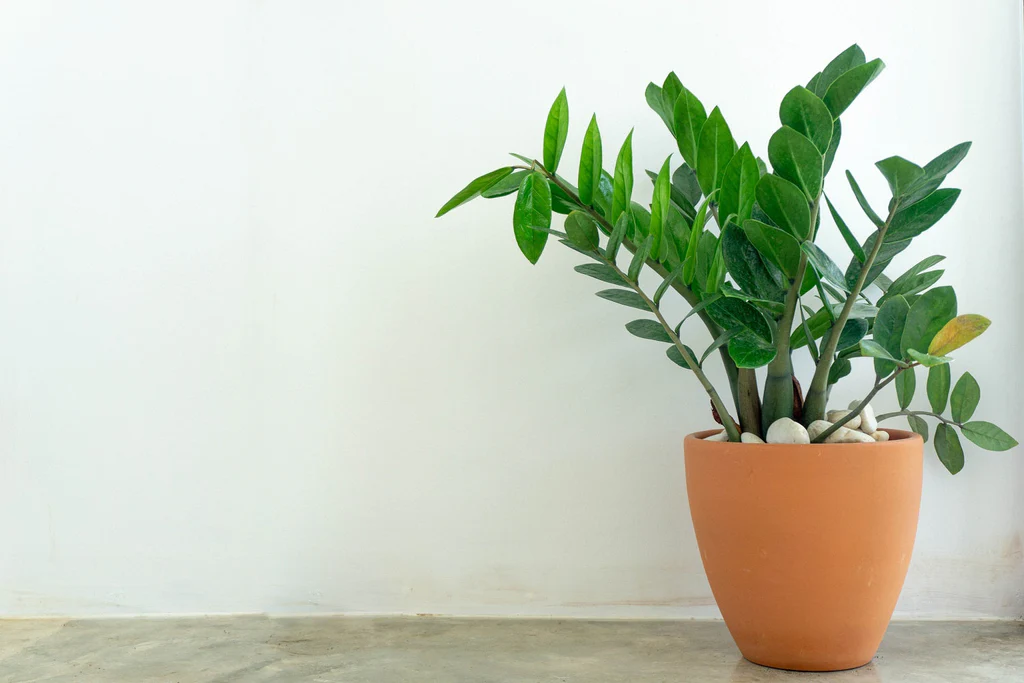
Everyone wants a fail-proof watering schedule (“just water every two weeks!”). Here’s where I go against the grain: Never water on a fixed timeline. Stick your finger deep (knuckle-deep!) into the soil; if there’s any moisture left down there, wait another week.
In dry climates or air-conditioned apartments, roots dry out faster than humid spaces—so there is no universal rule. Once, while traveling Europe for five weeks, my ZZ sat bone dry at home in July heat—came back to find not only did she survive but had started pushing up two new shoots!
Compare that to overzealous friends who stuck to their reminders and ended up with root rot puddles. Trust dryness before habit.
Soil & Pots: Less Is More
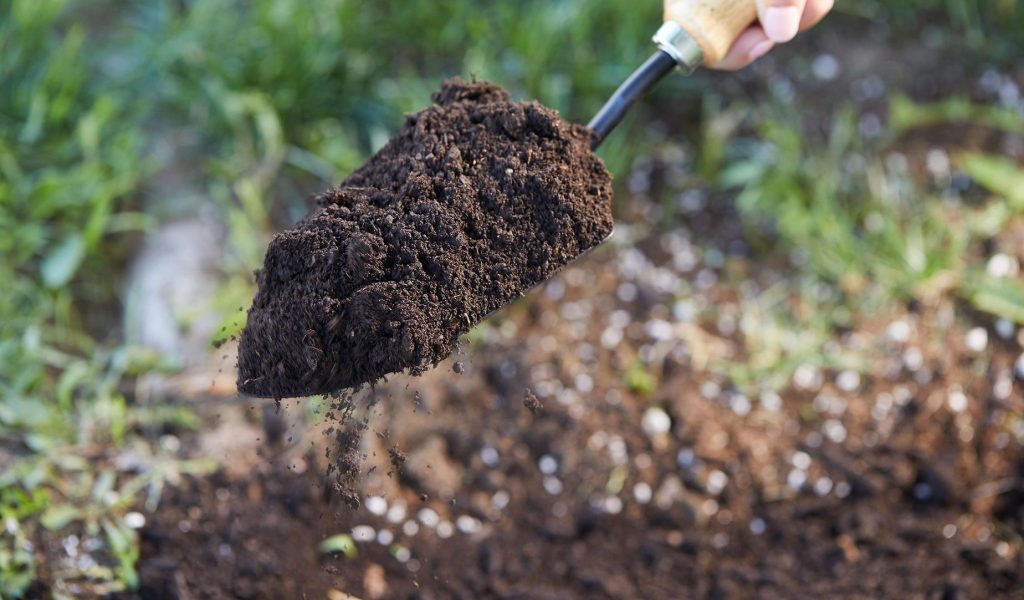
Another myth: You need fancy cactus mixes or expensive self-watering pots for Zanzibar Gems. Truth? Basic potting soil mixed with cheap perlite does wonders—skip sand-heavy blends which compact too tightly over time.
My trick is reusing leftover orchid bark (about 10%) blended into regular potting mix; this keeps things chunky and breathable.
A non-negotiable: drainage holes! A friend once brought his suffering ZZ in a beautiful ceramic pot—no hole underneath—and we discovered swampy roots wrapped around themselves like spaghetti after just six months.
Fertilizer Wisdom: Be Selective—or Skip It Entirely
Contrary to the advice flooding plant blogs, most household ZZs do just fine without regular feeding—I went over two years without fertilizing mine once (part laziness, part experiment). Growth slowed but leaves stayed healthy.
When I started adding half-strength liquid fertilizer monthly during spring/summer? Yes—the rate of new shoots doubled… but so did freakish tall stems that flopped sideways until I pruned them back.
What I’ve learned is balance matters more than frequency—give just enough for gentle growth unless you want leggy giants crawling across your bookshelf!
On Toxicity & Handling
Quick reality check: Nearly all popular houseplants are toxic when ingested—including pothos and philodendrons—not just ZZs. No need for panic if your cat sniffs around; actual munching is rare due to bitter taste.
For sensitive skin types like mine, gloves are smart only when cutting large chunks or dealing with sap-heavy sections during repotting—not routine care.
Troubleshooting Like an Old Pro
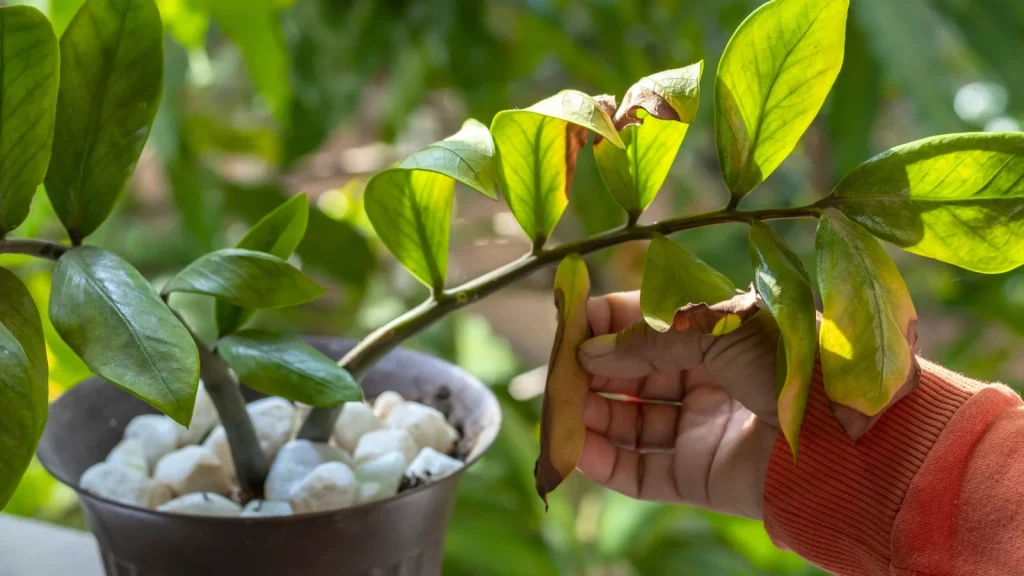
- Yellow leaves? Older bottom leaves going yellow while top growth thrives = natural leaf replacement.
- Brown crispy tips? Usually winter-time heater blasts—setting a cup of water nearby (not misting) made more difference than any humidifier for me.
- Wrinkly stalks? True thirst—but soak thoroughly ONCE then leave alone until totally dry.
- Leaf drop? My warning sign one frigid January after forgetting to move my plant away from drafty windowsill nights.
Propagation: Don’t Believe the Hype
Everyone loves multiplying ZZs—but expect glacial speed if trying leaf cuttings in water (“roots appeared after seven months” isn’t an exaggeration).
Dividing mature clumps works much better—I split mine every 4–5 years when rhizomes threaten to burst plastic pots wide open.
Real Stories from Real Spaces
Back in 2020 during lockdown, two family members bought identical ZZ plants:
- One stashed under a loft bed, barely watered—nine months later, it looked unchanged.
- The other’s needy spider plants keeled over twice from irregular watering shocks.
The moral? Resilience when conditions are less than ideal.
If You’re Still Worried You’ll Mess Up
Truly disastrous mistakes take effort—it’s almost harder not to keep this plant alive unless you actively spoil it rotten!
- Overwatered? Let it dry bone-dry—even pull the root ball out if needed.
- Drooping stems? Cut off mushy parts—the rhizome will push out new life.
- Stuck leaves? Trim them cleanly—cosmetic surgery helps more than perfectionism.
Give yourself permission to play around—learn what makes your environment unique for growing something resilient and quietly rewarding.