Let’s have a real talk about humidity-boosting plants, because if you’re anything like me, you’ve probably made every classic mistake—and then some—while trying to bring a little more comfort (and leafy style) into your home. Most of us end up doing things we think are right because that’s what everyone says, but honestly? There’s a lot nobody mentions until you’ve been there yourself.
Here’s what most people don’t know: It isn’t just about picking the “right” plants and hoping for magic. It’s way more nuanced—but also easier to fix than you’d think.
The Little Mistakes Everyone Makes With Humidity Plants
1. Overestimating What One Plant Can Do
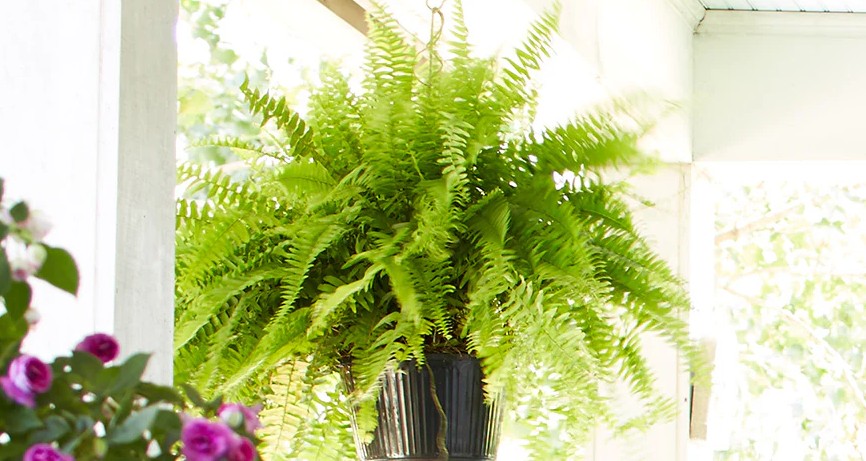
Let’s get this out of the way: I totally believed a single Boston fern would turn my dry apartment into a rainforest. Yeah…nope. Turns out, one plant is basically a drop in the bucket; it might boost humidity by maybe 2-3% if you’re lucky (and it’s thriving).
Between you and me, when I first started, I lined up three mismatched pots across my windowsill thinking they’d change everything overnight. It wasn’t until I grouped five of them tightly together—almost like they were huddling at a party—that I noticed my lips weren’t so chapped in the morning.
2. Ignoring “Plant Math”
Nobody talks about this! The size of your plant makes a big difference. A baby peace lily or tiny spider plant (you know, those $5 cuties from the grocery store) won’t do squat for moisture levels unless you consolidate their efforts.
Once, I tried to be frugal and filled my room with four mini ferns—it looked adorable, but it didn’t feel any less Sahara-esque until I upgraded to bigger specimens.
3. Thinking All Spots Are Created Equal
There was a time when I set my palm smack-dab next to the radiator because “it needs warmth.” Rookie mistake! That crispy-leaf phase taught me to put my humidity seekers away from blasts of heat or AC vents—or else all that hard work just floats out into the hallway.
If your air feels dry even with plants around, check: Are they in direct airflow? That gentle stream is often enough to undo hours’ worth of transpiration before it even helps you!
4. Forgetting Water Routine = Humidity Output
I used to let my Boston fern get bone dry between waterings (total habit from my cactus days). No shocker—it did nothing for air moisture when dehydrated. Keeping soil consistently moist—not soggy—is the trick most folks forget after week one.
My system now? Every Sunday brunch, coffee in hand, I poke two fingers straight in—if it feels almost dry two inches deep, that’s their cue for a drink.
5. Expecting Instant Results
Full confession: For weeks after grouping three peace lilies near my bed, I was convinced nothing was happening…until one day static shocks on door handles disappeared and I realized I hadn’t woken up with skin like parchment paper in ages. These changes can take awhile—sometimes two or three weeks depending on room size and airflow.
Surprising Plant Wins (And Fails) From Real Life
- Best win: Grouping an areca palm with two spider plants next to our TV bench actually kept popcorn bowls from getting stale as quickly during movie nights! Seriously—I had no idea this could happen.
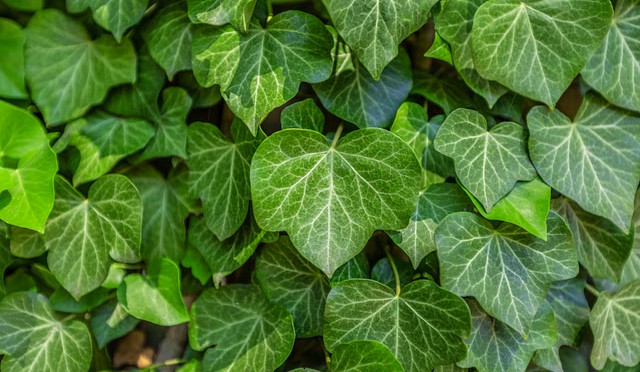
- Biggest fail: Mixing English ivy with thirsty ferns near an open window; turns out ivy loves cooler temps but hates too much humidity itself and quickly got sulky.
- Weirdest hack: Setting my cluster of plants beside an old-school ceramic water bowl (like those cat fountains)—they seemed happier and output went up noticeably without needing another humidifier gadget.
Unconventional Tips No One Mentions
- Leaf Spritzes = Boost Mode
Especially in winter heating season! Sometimes when things got extra crispy indoors last January, misting leaves twice daily made everything perk up—even me. - Old Baking Tray Under Pots
Place several pots on top of pebbles in a shallow tray filled with water (but not touching pot bottoms). As water evaporates around them, humidity gets a subtle boost right where you want it without risking root rot—a grandma hack that never fails. - Keep Your Plants Dust-Free
Sounds weird maybe—but dusty leaves block their pores (“stomata”), which tanks transpiration rates fast. Wipe ’em down every couple weeks with a damp cloth—you’ll notice shinier leaves AND better air quality.
Pet Owners: Learn From My Panic
Once caught my tabby gnawing on peace lily leaves—cue frantic Googling at midnight (they’re mildly toxic). After that scare, spider plants became my go-to everywhere cats roamed—I promise they really are as tough as people say!
Final Word: Don’t Overthink It
You don’t need rare jungle imports or pricy hydroponics setups—and honestly, unless you want full-on Jumanji vibes indoors, start small:
- Pick two or three sturdy favorites (spider plant + peace lily combo never disappoints)
- Cluster them where YOU hang out
- Keep soil evenly moist (not swampy), spritz now and then
- Be patient—the benefits will sneak up on you!
Bottom line? The “secrets” aren’t complicated—they’re mostly just learned through trial-and-error over years of coffee-fueled Sunday mornings spent poking at leaves and moving pots around the room.
Need advice choosing which one will survive YOUR particular living room? Just ask; between accidental neglect and forgotten watering cans, I’ve probably made every mistake so you don’t have to…