Anyone can fall in love with miniature plants at first sight. I know I did, more than once, sometimes with a cart full of tiny green things balanced on one arm and a vague sense of “these will be so easy to keep alive.” If only it were that simple! If you’re feeling that mix of excitement and uncertainty, let me talk you through what most guides gloss over—and what actually works (or doesn’t) when your green thumb is aimed at the tiniest gardens.
The Real Deal on Miniature Plants (Beyond the Cute Factor)
Don’t let their size fool you. Yes, mini-plants look like they’d need almost nothing from us—just water now and then, right? Ha! Ask the crispy little air plant on my bookshelf how it feels about “occasional” care. Many classic mistakes sneak up even quicker with miniature plants versus regular ones.
First Question to Ask: Is It Actually Miniature?
Here’s where stores trip us up: a lot of what’s sold as “mini” is just a baby plant. Maybe you spotted a postage-stamp-sized Monstera or a micro cactus tucked by the register. I’ve been burned before—bought an adorable $7 begoniette in May and by Halloween it was dominating my kitchen counter like Godzilla in Tokyo. Always check for magic words like “dwarf variety,” “true mini,” or “compact species” on labels.
Quick tip:
Don’t be shy! At the nursery, actually ask:
- Will this stay little?
- Or will it outgrow my windowsill by end of summer?
It took me three crowded disaster shelves to finally start asking. I’m just trying to save you all some surface space!
Good Tiny Starters:
If you want less mystery and more win, try these:
- Fittonia (‘Nerve Plant’): Loves lower light and stays petite.
- Haworthia: Cute striped succulent; slow grower.
- Mini African violet: Flowers often, stays palm-sized.
- ‘Pixie’ Peperomia: Hard to kill.
- Pilea depressa (‘Baby tears’): Trailing, tiny leaves (though gets leggy in low light).
A note: No shame if your first impulse is to swipe every adorable pot around—you’ll learn fast which ones want to take over!
Sneaky Challenges Nobody Admits
1. Pots: Tiny but Tricky
I fell into this early—thought small pots = low maintenance. Actually…smaller volume holds less moisture, so soil dries lightning-fast near heaters or open windows, but also takes forever when there’s no drainage.
My air plants were my first teachers here (RIP). Misting? Sometimes too much! If your mini lives in a thimble of dirt or glass bowl, be extra careful about
- Water pooling at the bottom (looks dry up top, swampy underneath)
- Roots circling madly after just a few months

What’s worked for me:
- For succulents/cacti: A sandy (cactus mix) soil plus an inch of aquarium gravel at the bottom = fewer accidental soggy roots.
- For ferns/violets: Sit their pot on a pebble tray (not IN water)—mimics humidity without drowning them. The American Orchid Society has a great guide on how to create a pebble tray that works for any humidity-loving plant.
2. Light Woes (in Inches)
Warning—your lighting game matters even more with minis than big houseplants! Last year I shifted my Haworthia half a foot so my espresso machine could fit…and it turned ghostly white from surprise sun within days. It honestly looked shell-shocked.
Try this hack:
Take any old book and prop your plant up or move it down—sometimes adjusting by two inches gives dramatically different results in how much indirect light they soak up versus getting scorched.
3. Watch Those Roots!
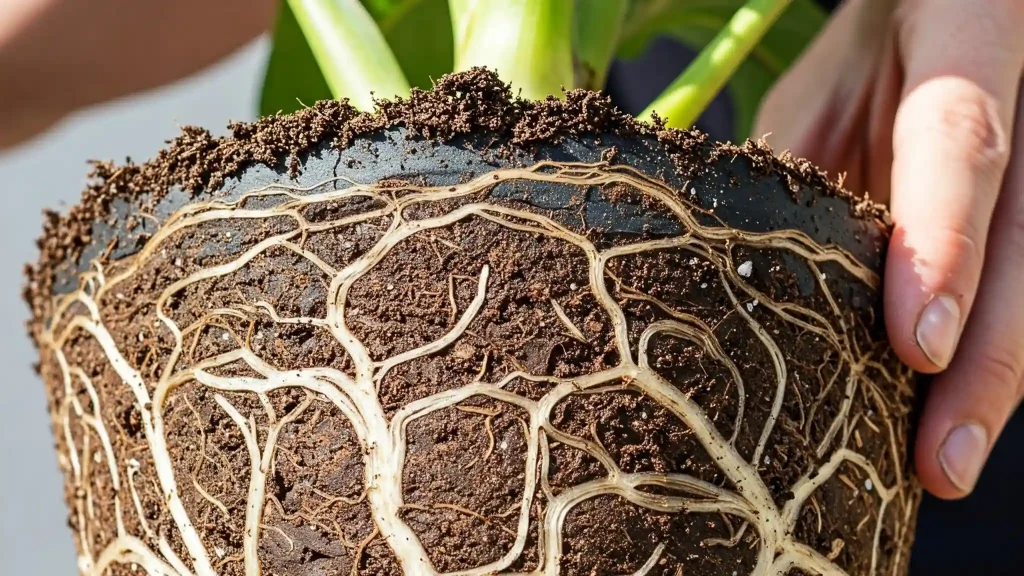
Tiny roots fill up tiny spaces fast. I ignored this with my Pilea one winter—six months later its roots wrapped around themselves until repotting nearly tore them apart.
Signs you need to repot:
- Roots poking from holes
- Droopy leaves despite normal watering
- Pot feels way lighter suddenly because those roots squeezed out all the soil
Don’t wait for disaster—upgrade one pot size up every 6–12 months or so if growth slows or stuff starts looking cramped.
Instagram vs Reality
I get why people make those adorable crowded tray photos online—their shelfie game is strong! But cramming 8 plants in one little tray means poor air flow. Bugs love that stuff, unfortunately.
Lesson learned for me: Less is more, even here. Give each mini space so their leaves don’t touch constantly, especially in damp corners.
Quick Starter Cheat Sheet
Let’s break down next steps if you’re ready to dive in:
- Pick a true mini species or a dwarf cultivar (ask at shop; see list above)
- Choose the right soil:
- Succulent/cactus? Use gritty mix with drainage.
- Fern/Peperomia? Go peatier and airy.
- Pot wisely: Always have drainage holes. If using glassware/terrarium bowls, watch water level like a hawk!
- Place somewhere bright but not BEAMING midafternoon sun
- Water carefully – check soil with finger before watering (should feel dry under surface for succulents; slightly moist for tropicals).
- Upgrade space every 6 months if needed—a dinner plate makes a fine new tray until you get fancier pots!
Mini Tools for Mini Problems
You don’t need pricey gadgets:
- Ketchup squeeze bottles = perfect pinpoint watering
- Chopsticks = leaf tweezers/reposers/soil rakers
- Spray bottle = quick humidity boost for true tropicals

Honestly sometimes I use an old plastic spoon as a shovel—it works!
Tip: Smell your minis now and then (pretend you’re checking herbs for dinner). Earthy or faintly sweet? All good. Musty or mushroomy? Cut back water ASAP—fungus loves lingering wetness!
Encouragement (& Permission to Mess Up)
If everything goes brown once or twice—or turns into mush—we’ve all been there (“crispy apocalypse” isn’t even the worst thing that’s happened on my windowsill). With baby plants especially, trial-and-error teaches you fastest.
Remember:
Every brown leaf is feedback—not failure.
Flip your thinking: Each problem = clue about what next time could work better.
And honestly? Swapping advice (“Help! My mini aloe looks angry”) has given me more fixes than fancy books ever did. Don’t hesitate to ask plant-y friends—or curious strangers on forums—for help!
You’ve got this—I’m rooting for you every step of the way (that pun still cracks me up).
Want plant choices tailored to YOUR window/light situation? Say so—I love brainstorming with fellow experimenters!
Let me know how your first (or fifth!) attempt goes—even if it flops spectacularly at first. Real success with miniatures isn’t about perfection…it’s about playfulness and persistence (plus occasional panic-Googling at midnight). Welcome to the club—you’ll never look at bottle caps or old mugs without wondering, “Mini planter?” again!