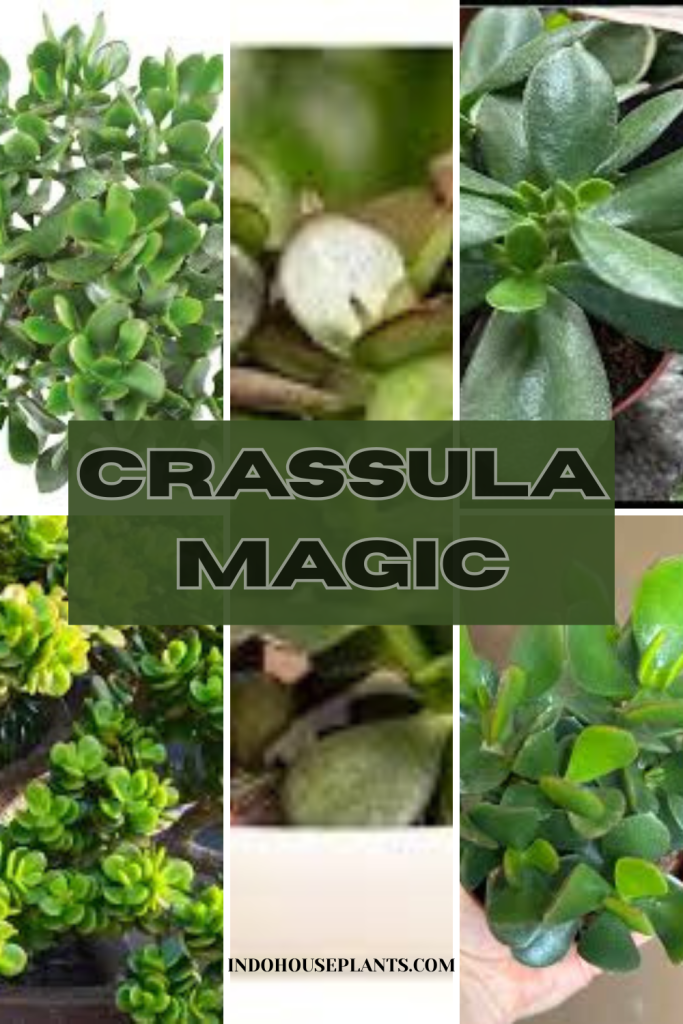
Diving into a Crassula collection felt like stepping into a secret world where each plant had a personality of its own. When I first started, the vast variety intimidated me—Crassulas are everywhere, but what should I actually focus on?
Over time, I realized the magic of these plants isn’t just in their looks, but in the way they respond to a bit of attention and how they can subtly shift your daily rhythm.
[IMAGE: A curated collection of Crassulas in terracotta pots, showcasing varied shapes and colors]
Why Crassula Collections Have a Special Kind of Charm
Crassulas aren’t just succulents sitting silently on a shelf; they’re storytellers. Some grow like little trees, others stack their leaves like tiny green pagodas, and a few flaunt fiery red edges that change with the seasons.
The fact that these plants originated mostly from South Africa’s tough, sun-baked landscapes teaches you something important: resilience and beauty often go hand in hand.
What most people don’t know is how much you learn just by watching a collection of Crassulas slowly grow side by side. For example, I noticed my Crassula perforata (String of Buttons) tends to stretch toward light more aggressively than my Crassula ovata (Jade Plant).
This subtle difference nudged me to move my plants a little, creating a more balanced display. It’s a hands-on lesson in microclimates that no book can fully capture.
How to Curate Your Crassula Family — From Someone Who’s Been There
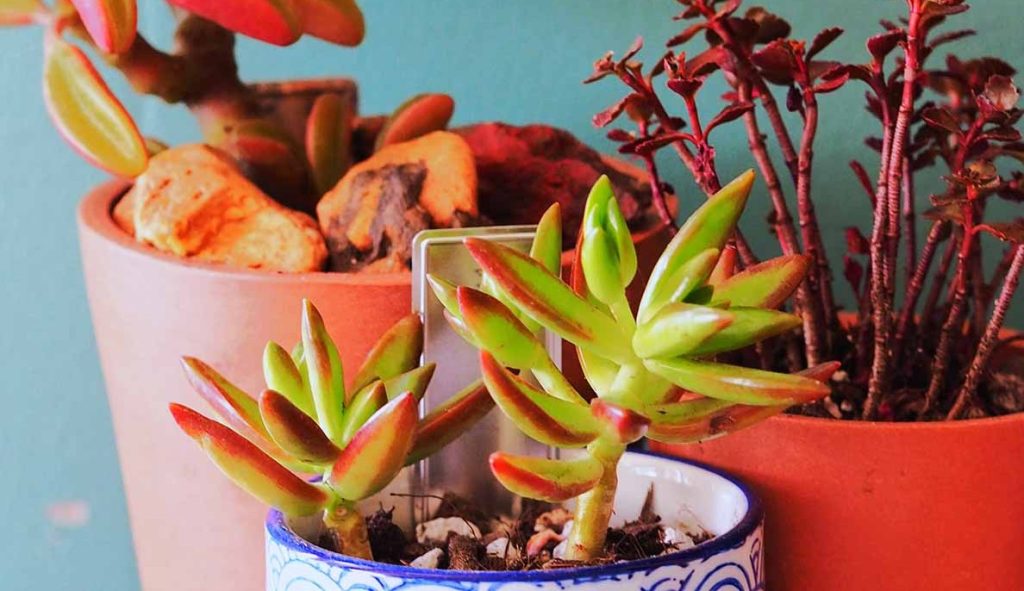
Start small. When I began, I grabbed a Jade Plant because everyone loves that classic look. Then I picked up a String of Buttons and a Campfire—mainly because those red tips are impossible to ignore. Here’s what I learned:
- Choose plants that contrast, but also complement: I paired the rounded, sturdy leaves of Jade with the jagged, layered look of String of Buttons. The Campfire’s red tips became the pop of color my collection needed.
- Unified pots are surprisingly impactful: Simple terracotta in varying sizes brought warmth and helped with the dry soil conditions these plants crave.
- Think 3D, not just flat: Placing taller Jade Plants toward the back and letting cascading varieties spill forward created a miniature succulent jungle.
The Care Routine That Really Works (And What I Wish I Knew Earlier)
Here’s where many newbies fumble: overwatering. I’ve killed more than one Crassula by treating it like a normal houseplant. What changed my success rate? Testing the soil with my finger before watering and trusting the plant’s plump leaves as water indicators.
Light is another silent dealbreaker. I originally had my Crassulas in a dim corner, and the leggy growth was heartbreaking. Moving them to a bright window with morning sun made all the difference.
Pro tip: Introduce them to brighter light gradually to avoid sunburn.
Insider Tips for the Crassula Collector
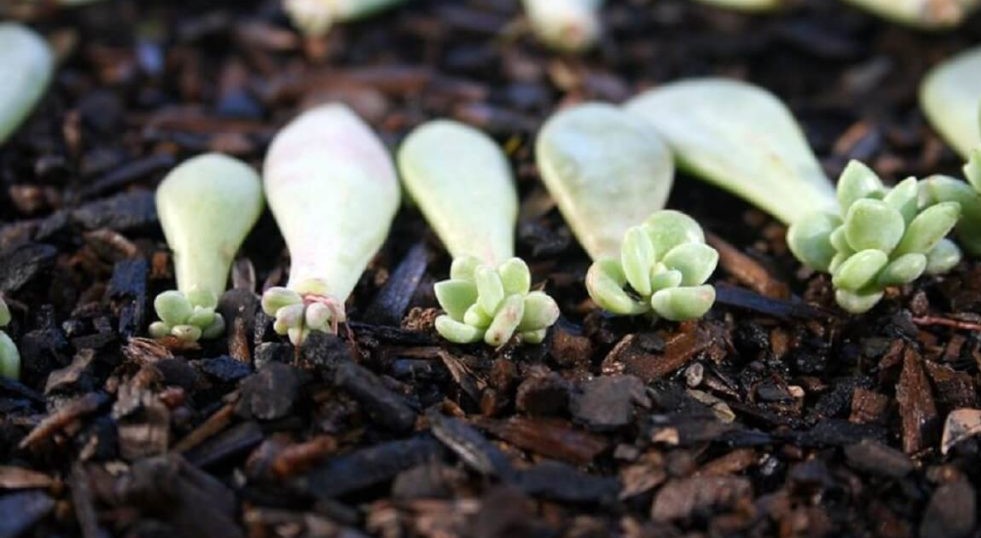
- Propagation is addicting: Pinch or cut a leaf and watch roots and baby plants form—like a green science experiment.
- Don’t rush repotting: Repot every 2 years or when roots poke out of drainage holes.
- Pest patrol: Mealybugs love Crassulas, but rubbing alcohol on a cotton swab solves the problem.
What My Friends Have Taught Me
One friend transformed her kitchen window into a thriving Crassula corner by mixing leaf textures—round, jagged, smooth, and furry. Another’s collection paired silver-gray varieties with fiery reds and purples, proving succulents can feel extravagant when curated with care.
Your Next Steps — No Pressure, Just Curiosity
Start with 2-3 plants—a Jade for anchoring, plus a Campfire or String of Buttons for contrast. Use terracotta pots with drainage and a well-draining mix (boost with pumice or perlite for extra aeration).
Place them in bright, morning sun and water sparingly. Watch, listen, and adjust—your plants will tell you what they need.
Final Thought: This Is More Than Just Plant Keeping
A Crassula collection is a gentle invitation to slow down and observe growth. Over time, it becomes a personal green diary—each new leaf a quiet win worth celebrating.