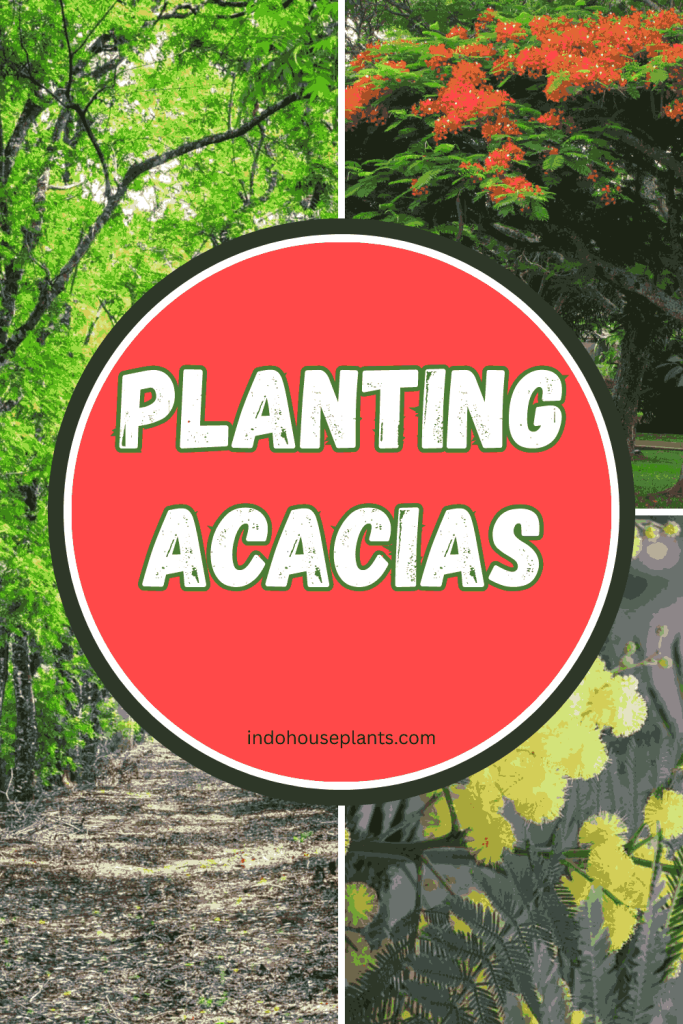
When I first started planting acacias in my backyard, I was surprised by how adaptable and rewarding these plants turned out to be. If you’re feeling a bit daunted by the idea of setting up your own acacia planting scheme, trust me—once you get the hang of a few key steps, it becomes a wonderful way to add both beauty and ecological value to your garden.
Why Acacias Are More Than Just Pretty Trees
What most folks don’t realize is that acacias are little powerhouses in the garden. Beyond their stunning golden or creamy blooms, they’re nitrogen fixers, which means they naturally enrich the soil around them—almost like a free fertilizer that keeps your garden healthier in the long run.
In my experience, they’re also incredibly drought resilient once established, which makes them perfect for gardens where watering is a challenge or in tougher climates.
My Personal Acacia Planting Playbook
1. Sunlight Is Non-Negotiable
When I planted my first Acacia dealbata (silver wattle), I chose a spot on the south-facing edge of the garden that bathes in sunlight from around 9 AM until sunset. It’s easy to overlook how much light they need, but these guys genuinely thrive on at least 6 hours of direct sun.
I learned this the hard way after attempting to grow a couple in a shaded corner which barely made it through their first year.
2. Soil Prep: More Than Just Digging a Hole
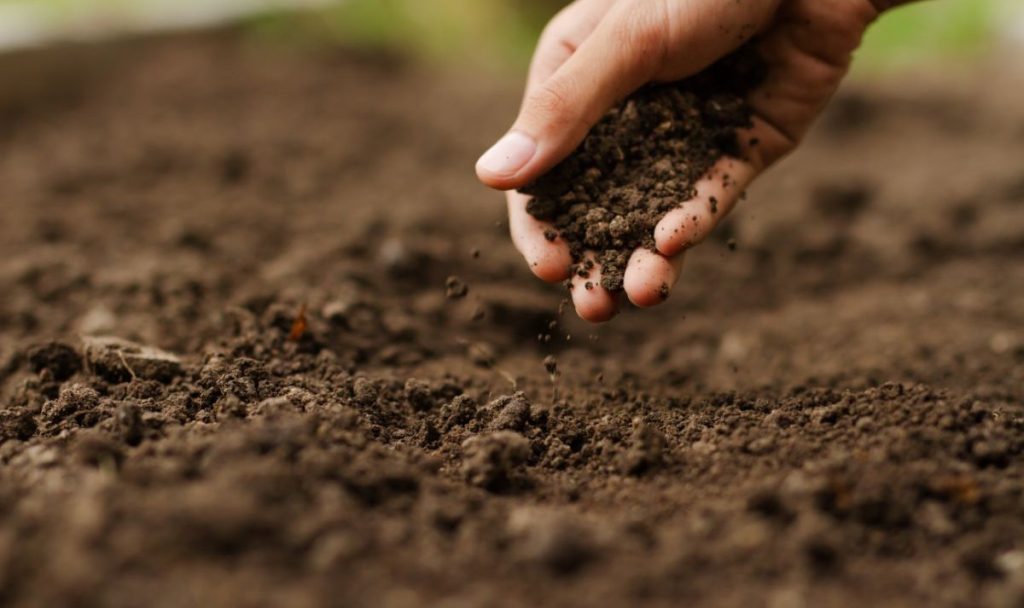
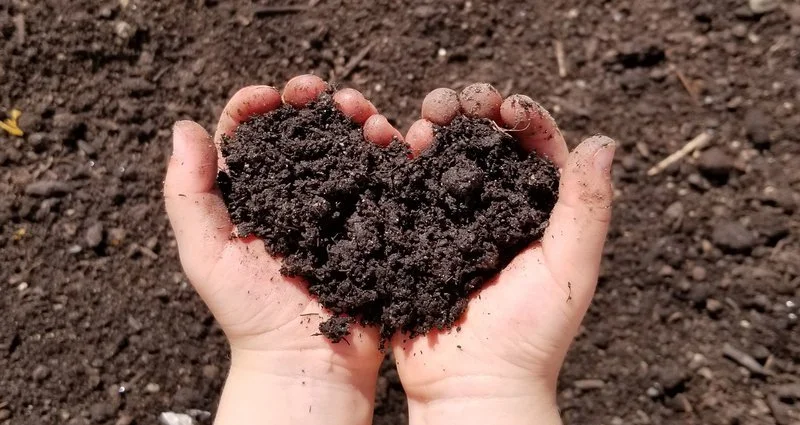
Acacias aren’t divas when it comes to soil fertility, but they hate soggy feet. My secret? Before planting, I loosen the soil to about a foot deep, then fold in a handful of coarse sand and some compost. This mimics the well-drained soils many acacias native to Australia grow in.
On one occasion, I tried planting directly into native clay soil without amendments; within a few months, the roots started to rot, and the plants looked droopy. Lesson learned: don’t underestimate drainage.
3. Spacing With Nature in Mind
I’m not a fan of rigid planting grids. Instead, I aim for clusters that feel organic, often three to five plants in a patch with about 2.5 meters between each for shrubs, and wider spacing for larger specimens like Acacia melanoxylon (blackwood).
This approach not only looks more natural but also encourages pollinators like native bees to visit multiple flowers, boosting your garden’s biodiversity.
4. Selecting Species That Match Your Climate and Goals
When I moved to a cooler, temperate zone, I switched from Acacia baileyana to Acacia melanoxylon because the latter handles cooler, slightly richer soils better. If you’re aiming for quick coverage or a bee magnet, Acacia dealbata is your go-to—it flowers prolifically within a year of planting if given the right conditions.
5. The Art of Planting Seedlings
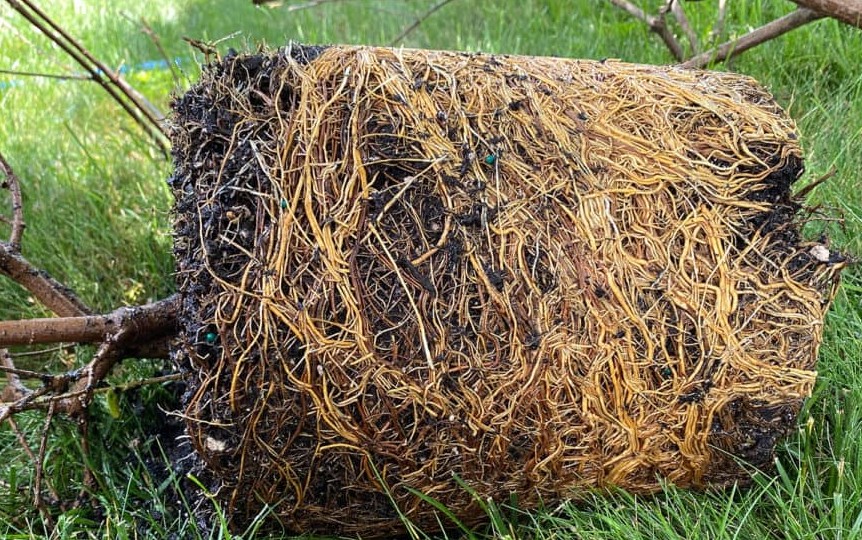
The little things make a difference. When planting, gently loosen the root ball—especially if roots are circling in a pot. I always dig a hole double the width of the root ball, ensuring the base sits just flush with the soil surface to avoid stem rot.
After planting, I water the base slowly with a soaker hose rather than a quick flood to avoid washing away soil.
6. After Planting, Think Like a Gardener and a Waiter
For the first two months, I give my acacias a weekly deep watering to help roots settle but avoid overdoing it. On one occasion, I accidentally flooded one of my clusters early on, and a few plants developed yellow leaves—a quick cutback in watering and improved drainage had them bouncing back after a few weeks.
Mulching with shredded bark helps to keep moisture consistent, but I always make sure the mulch is pulled back a couple of centimeters from the stem—this tiny step has saved me from a lot of fungal issues.
Stories That Illustrate What Works
- A Pollinator Paradise: Once, I planted five Acacia dealbata seedlings along a sunny fence line, spaced about 3 meters apart. By summer’s end, those trees stood about 1.5 meters tall, blooming vibrantly and instantly attracting swarms of native bees and even small birds. Watching how quickly these plants can turn a dull fence into a buzzing haven is what hooked me on acacias for life.
- Privacy Hedge Win: I know a gardener who planted Acacia baileyana as a living screen to block their neighbor’s view. With seedlings spaced 2.5 meters apart, well-pruned after blooming to encourage density, the hedge filled in within three years. She kept it healthy with only occasional watering during dry spells and made sure to mulch regularly to keep weeds down.
Troubleshooting Tips From Experience
- Waterlogged Roots: If your plant looks droopy or has yellowing leaves, it’s almost always drainage-related. Don’t wait for symptoms to worsen. Try digging up the plant and checking if the roots are mushy. If so, improve the soil with sand and organic matter or create a raised bed. This is a common beginner mistake, but easy to fix.
- Lackluster Blooms: Acacias can be shy bloomers if given too much shade or fed excessive nitrogen fertilizer. If your plant is getting tall and leafy but no flowers after two seasons, relocate to a sunnier spot or drastically cut back fertilization. A light pruning after flowering can also encourage next season’s blooms.
- Pests: While acacias are generally tough, aphids and scale insects can appear. Instead of immediately reaching for chemicals, I recommend spraying with insecticidal soap in the early morning and encouraging ladybugs, which are natural predators for these pests. One year, I spotted a ladybug colony doing a great job controlling aphids on my Acacia baileyana hedge—nature’s own pest control in action.
Your Next Steps: Starting Your Acacia Adventure
- Scout your garden for a bright spot with good drainage. An easy test is to dig a small hole and fill it with water; if it drains within an hour or two, you’re golden.
- Source a couple of acacia species that suit your local climate. Local nurseries and extension services like the Australian National Botanic Gardens can help with tailored advice.
- Prepare the site by removing weeds and loosening the soil, then add coarse sand if your soil is heavy clay.
- Plant seedlings according to the spacing advice above, water deeply but cautiously, and mulch lightly.
Planting acacias can feel like a small step with big rewards. Watching them grow and flourish, attracting pollinators, and brightening your garden with blooms is strangely addictive once you experience it firsthand. You’ll soon find yourself thinking about which acacia to try next.
Trust me, once you get started, the learning curve is gentle—and the payoff? A vibrant, resilient green space that feels truly alive.